


New federal directive introduces citizenship verification, stricter ballot controls, and sparks immediate political and legal backlash
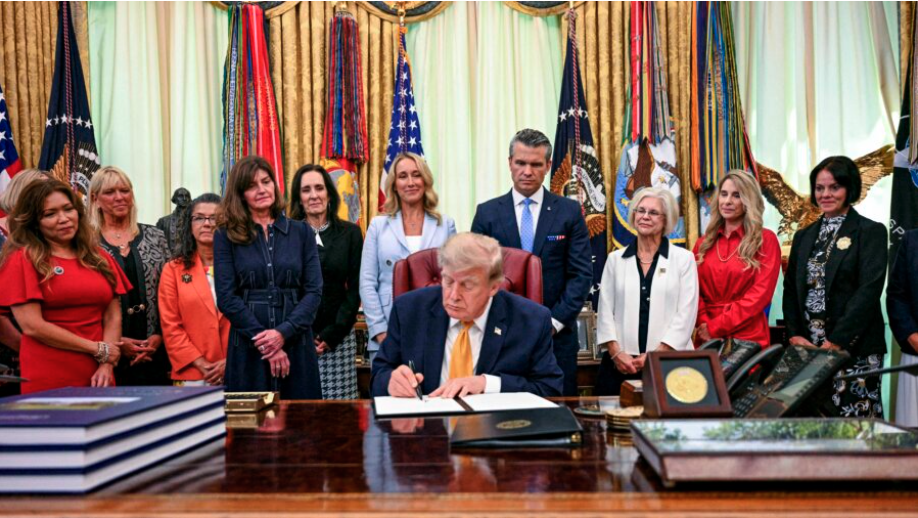
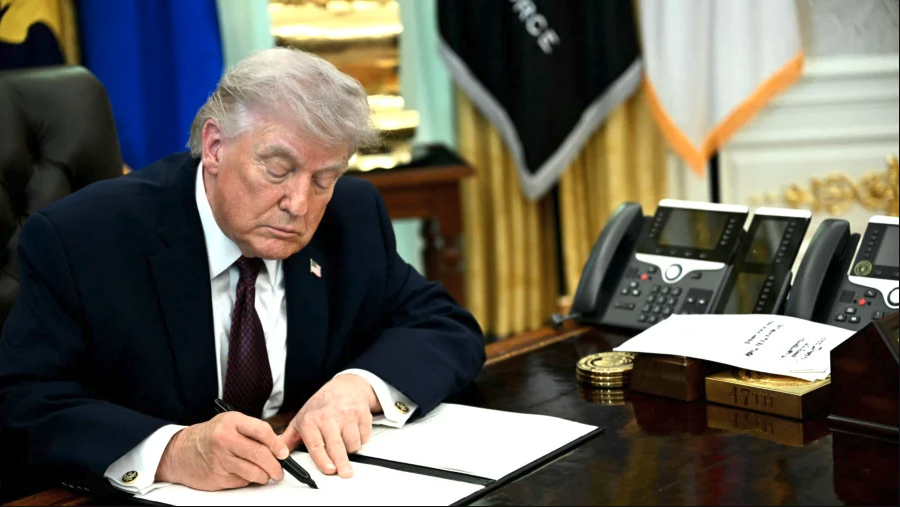
WASHINGTON — President Donald Trump on Tuesday signed an executive order aimed at regulating elections nationwide by creating a verified list of voters eligible to cast ballots by mail.
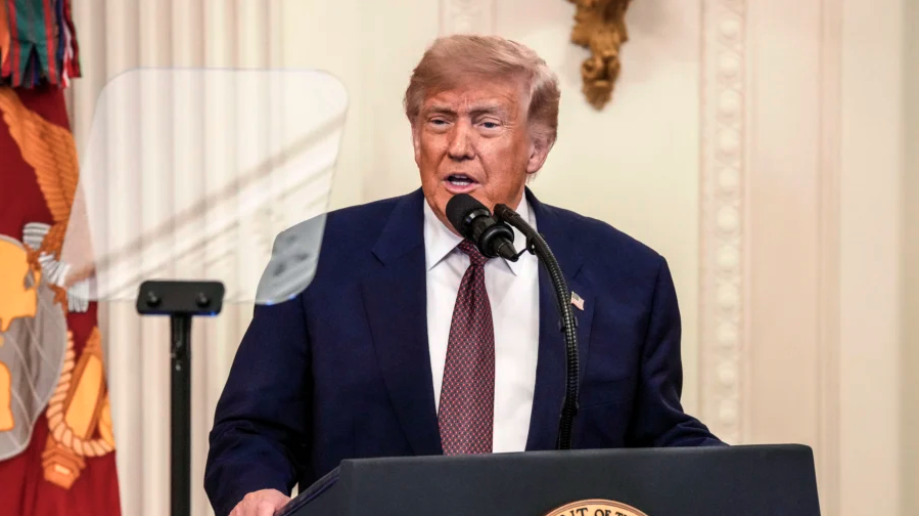
“The cheating on mail-in voting is legendary. It's horrible what has been going on,” Trump said.
“If you don’t have honest voting, you can’t have, really, a nation.”
Under the order—expected to face legal challenges—only American citizens would be permitted to vote by mail. Voter lists are to be verified by the Department of Homeland Security in coordination with the Social Security Administration.
The U.S. Postal Service is instructed to send ballots exclusively to individuals on the approved lists. Each ballot envelope will carry a unique barcode—one per voter—to support tracking and auditing processes.
The attorney general and relevant department heads are directed to submit evidence of violations to the Department of Justice for investigation.
Administration officials described the measure, titled “Ensuring Citizenship Verification and Integrity in Federal Elections,” as a step toward restoring confidence in the electoral system.
“We believe, combined, the measures in this order will help secure elections in the future and ensure the many abuses of our elections in the past are not repeated in future elections,” said Will Scharf, White House staff secretary and assistant to the president.
During the signing ceremony, other cabinet members echoed that sentiment and urged Congress to pass the SAVE America Act, which would tighten election rules and mandate voter identification, among other provisions.
“The fundamentals of our democracy are built on voter integrity,” Commerce Secretary Howard Lutnick said.
Trump emphasized that proof of citizenship and voter ID requirements remain a top priority.
“That will be another subject for another time. We are working on that,” he said, citing polls indicating strong public support. “You would think it would be easy.”
However, the order quickly drew criticism from Democratic lawmakers. Senator Alex Padilla challenged the president’s authority.
“This executive order is a blatant, unconstitutional abuse of power,” Padilla said in a statement.
“Make no mistake: Trump’s attacks on our elections are a clear and present threat to our democracy.”
California Governor Gavin Newsom also rejected the order, calling it illegal and warning of imminent legal action.
“The President wants to limit which Americans can participate in our democracy,” Newsom’s press office wrote on March 31 on X. “California will see him in court.”
Trump acknowledged the likelihood of legal challenges but remained confident, pledging to defend the order.
“I don’t know how it could be challenged. It could probably be challenged if you find a rogue judge,” he said while signing the order.
“We will appeal if it is, but I don’t see how anyone else could challenge it.”