



60-day stopgap measure clears narrowly as partisan tensions escalate, with Senate opposition looming and TSA workforce strain intensifying
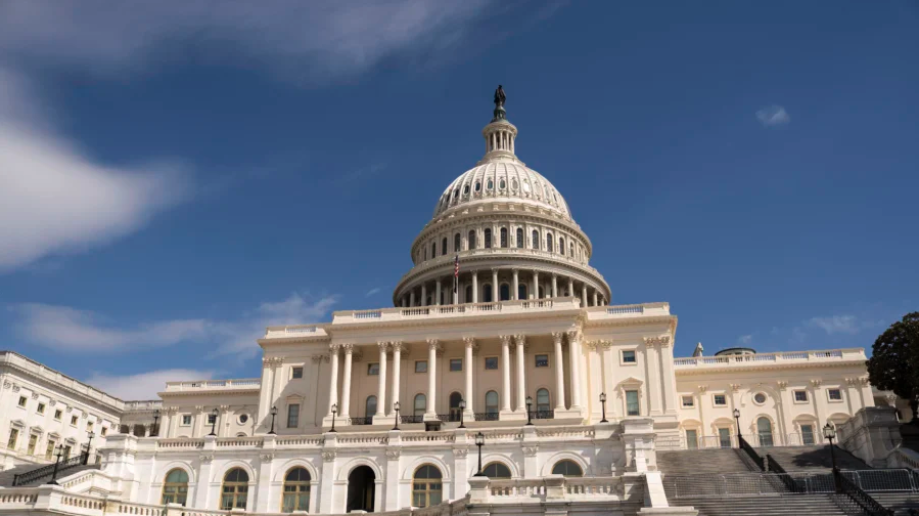
The U.S. House of Representatives on March 27 passed a stopgap measure to fund the Department of Homeland Security (DHS) for 60 days, approving the bill in a 213–203 vote.
House Speaker Mike Johnson (R-La.) introduced the short-term funding plan after rejecting a Senate-approved proposal that would have funded most of DHS but excluded its immigration enforcement operations.
“This gambit that was done last night is a joke,” Johnson told reporters on Friday. “I’m quite convinced that it can’t be that every Senate Republican read the language of this bill.”
Johnson dismissed claims of division between House and Senate Republicans and instead blamed Democrats, including Senate Minority Leader Chuck Schumer (D-N.Y.), for the partial DHS shutdown, which reached its 42nd day on Friday.
Schumer rejected Johnson’s proposal, warning that even if it passed the House, it would not advance in the Senate.
“We’ve been clear from day one: Democrats will fund critical Homeland Security functions—but we will not give a blank check to Trump’s lawless and deadly immigration militia without reforms,” Schumer wrote in a post on X.
Rep. Chrissy Houlahan (D-Penn.) also criticized Johnson, accusing him of “refusing to let us vote on it and offering a doomed, partisan bill instead.”
“House Republicans need to stop playing games with air safety and TSA workers’ paychecks,” Houlahan wrote on X Friday night.
The prolonged shutdown has significantly affected Transportation Security Administration (TSA) agents, who have not received pay since DHS entered a partial shutdown in mid-February.
According to DHS, nearly 500 TSA agents have resigned since the shutdown began, while thousands more have called in sick due to financial hardship, including inability to afford fuel, food, or housing costs.
The staffing shortages have resulted in hours-long lines at airports.
President Donald Trump sought to ease the strain on airport operations by directing Immigration and Customs Enforcement agents on March 23 to assist at 14 airports experiencing long wait times.
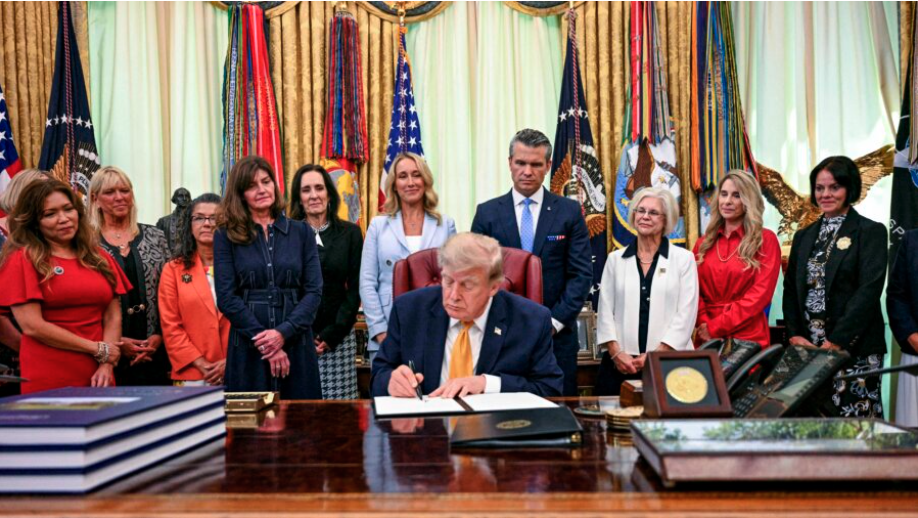
On March 27, Trump signed an executive order to ensure TSA agents would receive pay as early as March 30, as lawmakers continued to debate DHS funding.
“If Democrats in the Congress will not act to honor the service of our TSA officers, who are now performing their critical public safety responsibilities without knowing whether they will be able to buy food for their families or pay their rent, then my Administration will take action,” the memorandum stated.