












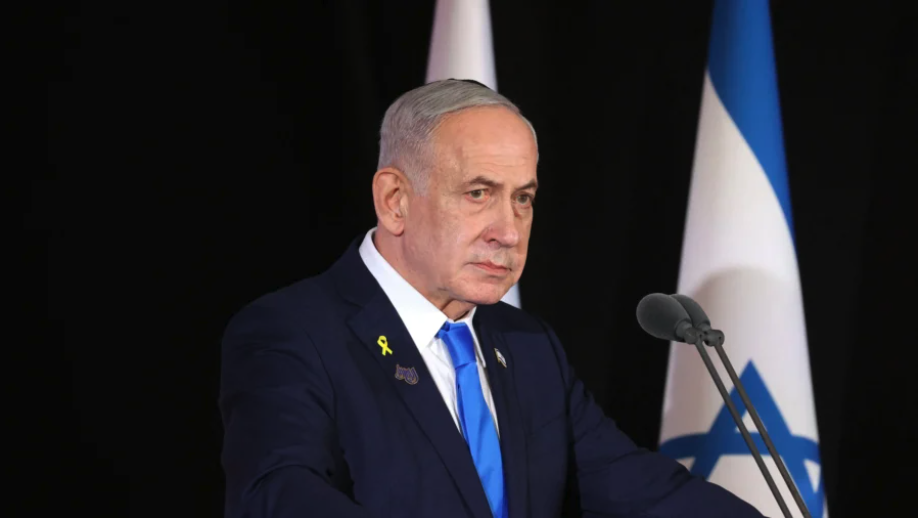
Israeli Prime Minister Benjamin Netanyahu said on March 19 that Israel will hold off on any further attacks on Iran’s giant natural gas field at President Donald Trump’s request.
Trump said earlier on Thursday that he did not know about Israel's plan to attack the South Pars gas field on March 18.
The world’s largest natural gas reserve is shared with Qatar and is critical to both Iran’s and Qatar’s economies.
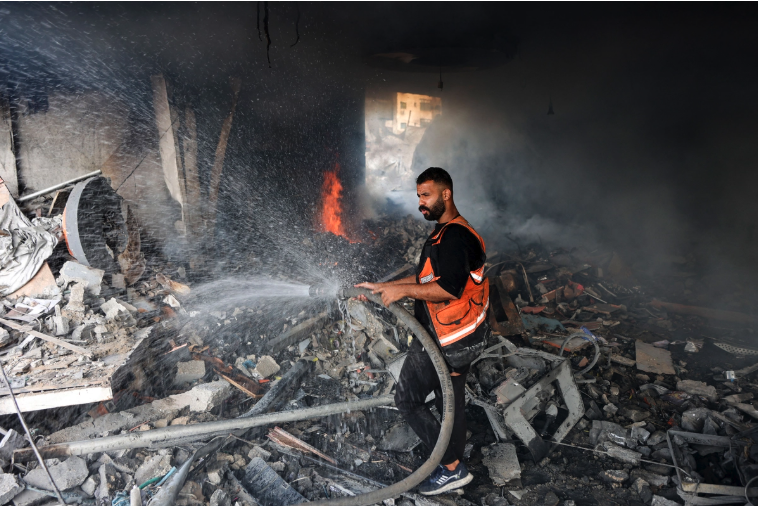
The president said in a Truth Social post on Wednesday that Israel will not further attack South Pars "unless Iran unwisely decides to attack a very innocent, in this case, Qatar—in which instance the United States of America, with or without the help or consent of Israel, will massively blow up the entirety of the South Pars Gas Field at an amount of strength and power that Iran has never seen or witnessed before."
Speaking at a press conference on Thursday, Netanyahu also said Iran no longer has the capability to enrich uranium or produce ballistic missiles. He asserted that Israel’s military actions have significantly weakened Iran’s weapons infrastructure.
“We are winning, and Iran is being decimated,” he said. “What we’re destroying now are the factories that produce the components needed for these missiles and for the nuclear weapons they are attempting to develop.”
The United States launched an operation last year targeting Iran’s nuclear program. Tensions escalated further on Feb. 28, when the United States and Israel carried out coordinated strikes on Iran following the collapse of diplomatic talks over Tehran’s nuclear ambitions. The operation resulted in the death of Supreme Leader Ali Khamenei.
In response, Iran has carried out retaliatory strikes against U.S., Israeli, and Gulf country targets, raising concerns among Gulf Arab states and threatening the stability of global energy markets.
Recent incidents highlight the growing risks in the region. A ship was set on fire off the coast of the United Arab Emirates, while another was damaged near Qatar. Efforts to bypass the Strait of Hormuz have also been disrupted, including an Iranian drone strike on a Saudi refinery along the Red Sea—an alternative route for oil exports.
Energy markets have reacted sharply to the escalating conflict. Brent crude oil briefly surged above $119 per barrel, marking an increase of more than 60 percent since the start of the war. European natural gas prices have also spiked, roughly doubling over the past month.
Gulf nations, including Qatar, Saudi Arabia, and the United Arab Emirates, have condemned Iran’s actions. Arab League Secretary-General Ahmed Aboul Gheit described the attacks as a “dangerous escalation.”
Nevertheless, Iran has shown no indication of easing its campaign. Saudi Arabia reported that its SAMREF refinery in the Red Sea city of Yanbu was struck, despite efforts to redirect oil shipments away from the Strait of Hormuz.
Qatar, a major global supplier of natural gas, said Iranian missile strikes caused extensive damage to its Ras Laffan liquefied natural gas facility. Production at the site had already been suspended due to earlier attacks, and the damage could delay the country’s ability to resume exports even after the conflict ends.
Authorities also reported that Iranian strikes targeted two oil refineries in Kuwait and gas facilities in Abu Dhabi, further intensifying concerns over regional energy security.
Reuters and The Associated Press contributed to this report.
From The Epoch Times