


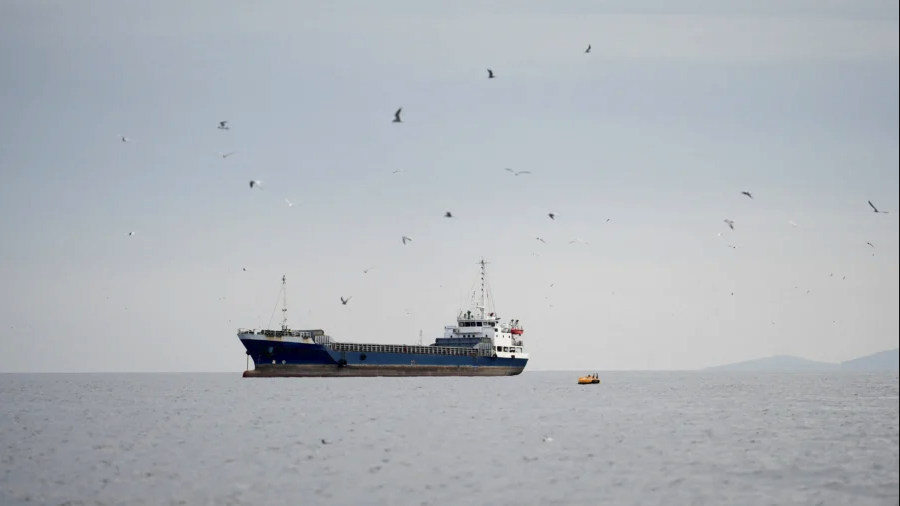
U.S. President confirms vital shipping lane is operational during Israel–Lebanon truce while enforcing continued blockade on Iranian ports pending final agreement
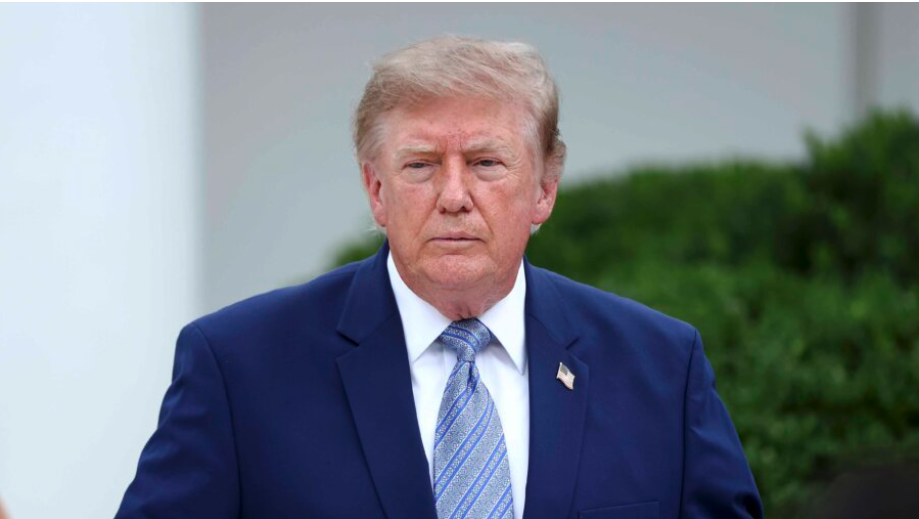
President Donald Trump and Iran’s foreign minister declared Friday that the Strait of Hormuz has reopened as part of a 10-day ceasefire between Israel and Lebanon.
The strategically critical global shipping route had been effectively shut down for weeks during the U.S.-Israel conflict involving Iran.
However, Trump warned that the U.S. naval blockade targeting Iranian ports remains in place until a comprehensive agreement with Tehran is finalized.
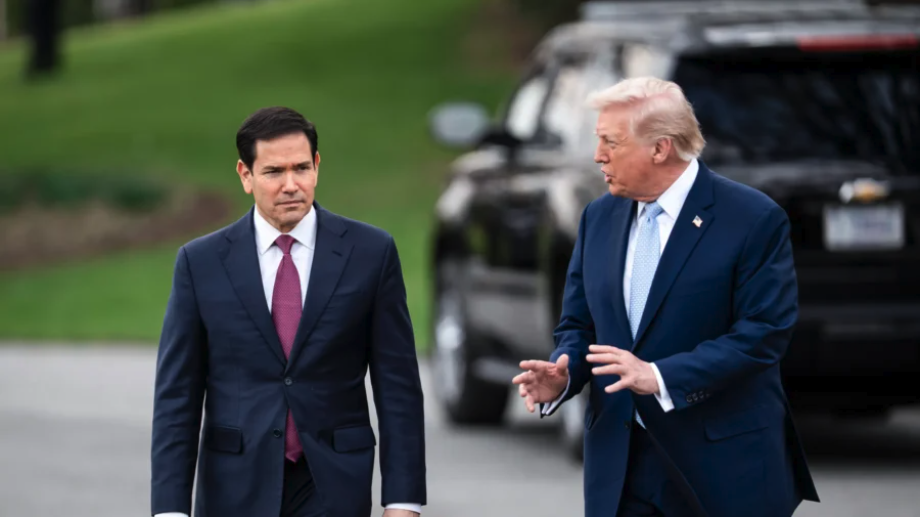
“THE STRAIT OF HORMUZ IS COMPLETELY OPEN AND READY FOR BUSINESS AND FULL PASSAGE, BUT THE NAVAL BLOCKADE WILL REMAIN IN FULL FORCE AND EFFECT AS IT PERTAINS TO IRAN, ONLY, UNTIL SUCH TIME AS OUR TRANSACTION WITH IRAN IS 100% COMPLETE. THIS PROCESS SHOULD GO VERY QUICKLY IN THAT MOST OF THE POINTS ARE ALREADY NEGOTIATED,” Trump wrote on Truth Social.
Israel had launched a military campaign against the Iranian-backed group Hezbollah in Lebanon. The United States brokered the 10-day ceasefire agreement aimed at halting hostilities and preventing a broader regional conflict.
The deal was also designed to facilitate wider negotiations between the United States and Iran, though it does not require Israeli forces to withdraw, instead allowing them to maintain positions deep داخل southern Lebanon.
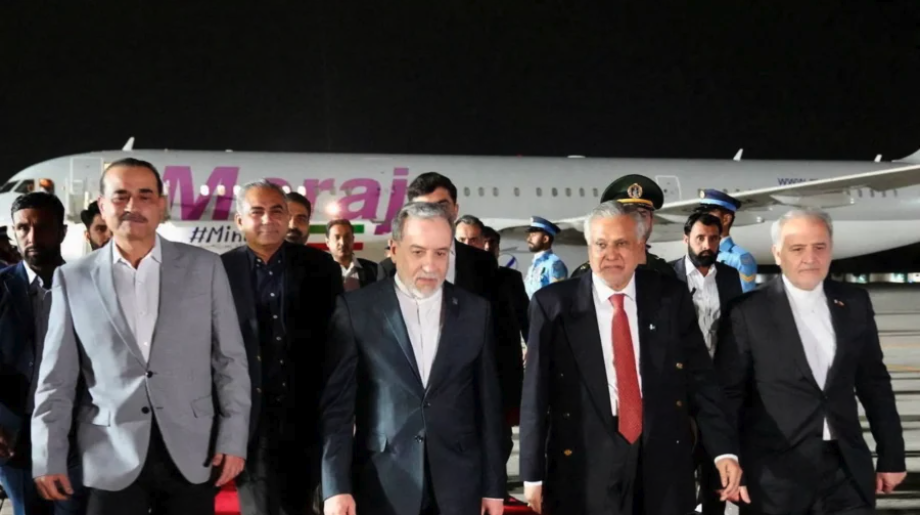
Iranian Foreign Minister Seyed Abbas Araghchi also confirmed that the Strait would remain open throughout the duration of the ceasefire.
“In line with the ceasefire in Lebanon, the passage for all commercial vessels through Strait of Hormuz is declared completely open for the remaining period of ceasefire, on the coordinated route as already announced by Ports and Maritime Organisation of the Islamic Rep. of Iran,” he wrote on X.
In a separate post, Trump stated that Iran has agreed to “never close” the Strait again, asserting that the waterway “will no longer be used as a weapon against the world.” He also said Tehran has committed to removing all naval mines from the area.
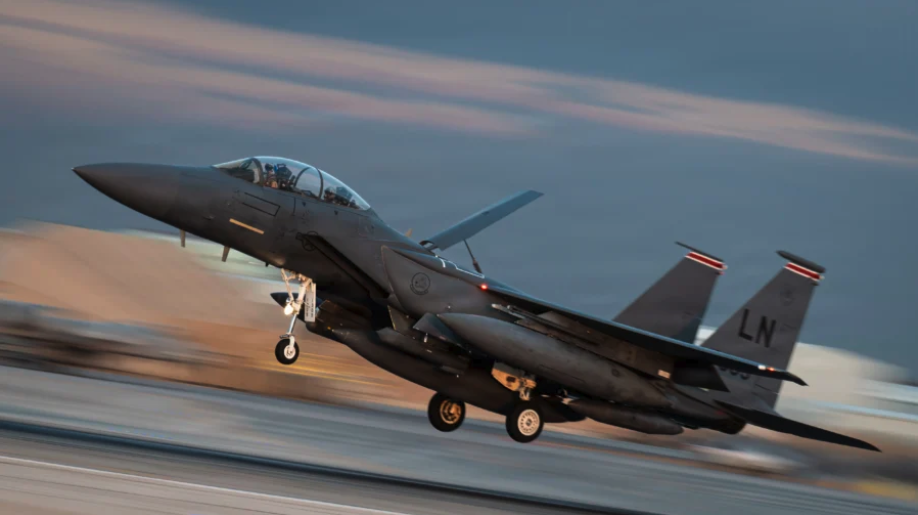
U.S. military forces have continued supporting freedom of navigation for vessels traveling through the Strait of Hormuz to and from non-Iranian ports.
United States Central Command (CENTCOM), which oversees U.S. military operations in the Middle East, reported earlier Friday that 19 vessels had complied with directives from U.S. forces to turn back toward Iran.
“ZERO vessels have evaded U.S. forces during the blockade,” CENTCOM said in a post on X.
The temporary closure of the Strait had significantly disrupted global energy markets by restricting the flow of oil from major producers including Saudi Arabia, Iraq, and Iran. Nearly one-fifth of the world’s oil and gas supply typically transits the narrow passage, amplifying the global economic impact.