


'This pressure from Iran will backfire politically and morally,' Saudi Foreign Minister Prince Faisal bin Farhan said.
Iran intensified attacks on its Gulf Arab energy infrastructure on March 19, hitting a Saudi refinery, Qatari liquefied natural gas facilities, and two Kuwaiti oil refineries, in an escalation that sent oil prices sharply higher.
Benchmark Brent crude rose to more than $119 a barrel at session highs early Thursday—close to the three-and-a-half-year peak touched on March 9—while U.S. West Texas Intermediate briefly climbed above $100, as markets reacted to the widening threat to Middle East supply.
The Iranian strikes followed Israel’s March 18 attack on Iran’s South Pars gas field, part of the world’s largest natural gas reserve, prompting Tehran to vow retaliation and warn civilians to stay clear of major energy infrastructure across the Gulf.
Targets identified by Iran’s Islamic Revolutionary Guard Corps (IRGC) included Saudi Arabia’s Samref refinery and Jubail petrochemical complex, the United Arab Emirates’ Al Hosn gas field, and key Qatari petrochemical facilities.
“These centers have become direct and legitimate targets and will be targeted in the coming hours,” the IRGC said in a statement published by the semi-official state-affiliated Tasnim News agency.
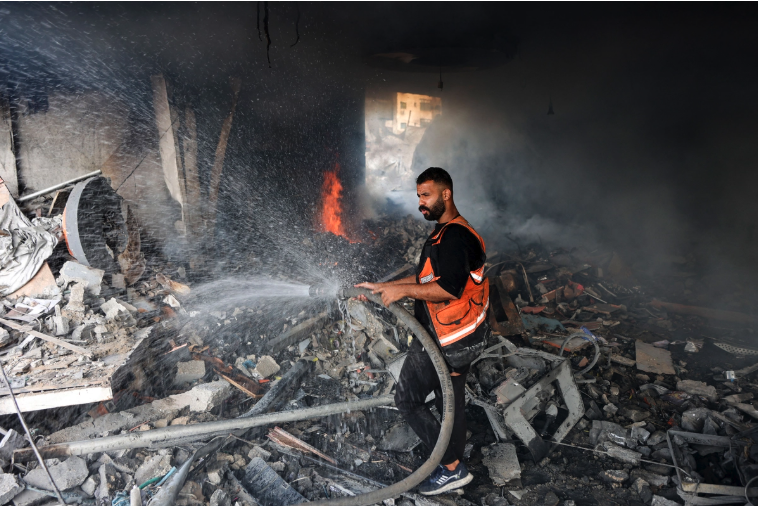
Iran followed through on Thursday, with a drone striking the Samref refinery in the Red Sea port of Yanbu. Multiple drones also hit Kuwait Petroleum Corporation’s Mina al-Ahmadi and Mina Abdullah refineries, triggering fires at both sites.
Saudi Arabia had already been redirecting crude exports west via the Red Sea to bypass the Strait of Hormuz, the critical waterway through which about 20 percent of global oil flows and which Iran has effectively restricted in retaliation for U.S.–Israeli strikes. The attack on Samref—an Aramco-ExxonMobil joint venture—has now raised fresh concerns over the security of that alternative route.
Saudi officials said damage assessments were ongoing and that air defenses intercepted a ballistic missile targeting Yanbu, now the kingdom’s primary crude export outlet.
Iranian ballistic missiles also targeted Riyadh, prompting the Saudi foreign minister to say that Saudi Arabia reserves the right to act militarily against Iran and that any trust with Tehran has been shattered.
"This pressure from Iran will backfire politically and morally and certainly we reserve the right to take military actions if deemed necessary," Saudi Foreign Minister Prince Faisal bin Farhan said at a news conference on March 18, using the harshest language to come out of Saudi Arabia in nearly three weeks of war.
In other attacks, a vessel was set ablaze off the United Arab Emirates (UAE) and another damaged off Qatar, pointing to persistent risks to shipping under Iran’s grip on the Strait of Hormuz. Qatar said firefighters extinguished a blaze at a major LNG facility struck by Iranian missiles, adding the latest wave caused fires and further damage after production had already been halted.
In Kuwait, a drone strike ignited a fire at the Mina al-Ahmadi refinery—one of the region’s largest, with a capacity of about 730,000 barrels per day—while a separate attack set the nearby Mina Abdullah refinery ablaze. In the UAE, authorities said operations at the Habshan gas facility and Bab field were suspended following overnight strikes, calling them a “dangerous escalation.”
Iranian Strikes Follow Israeli Attack on Key Gas Field
The latest attacks by Iran followed Israeli strikes on South Pars, Tehran’s share of the world’s largest offshore gas field, jointly owned with Qatar.
The South Pars site is central to Iran’s energy system, supplying around 80 percent of its power and fueling household needs, according to the International Energy Agency.
Iran condemned the attack, with President Masoud Pezeshkian warning of “uncontrollable consequences” that “could engulf the entire world.”
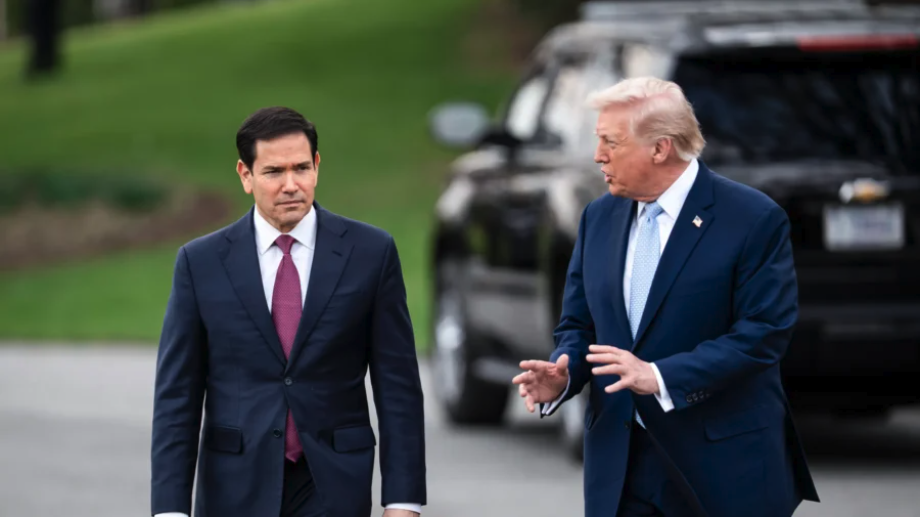
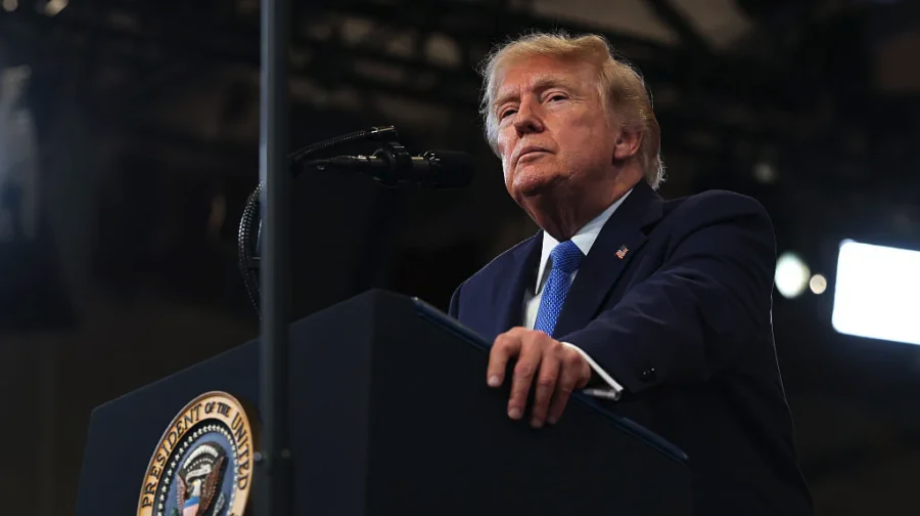
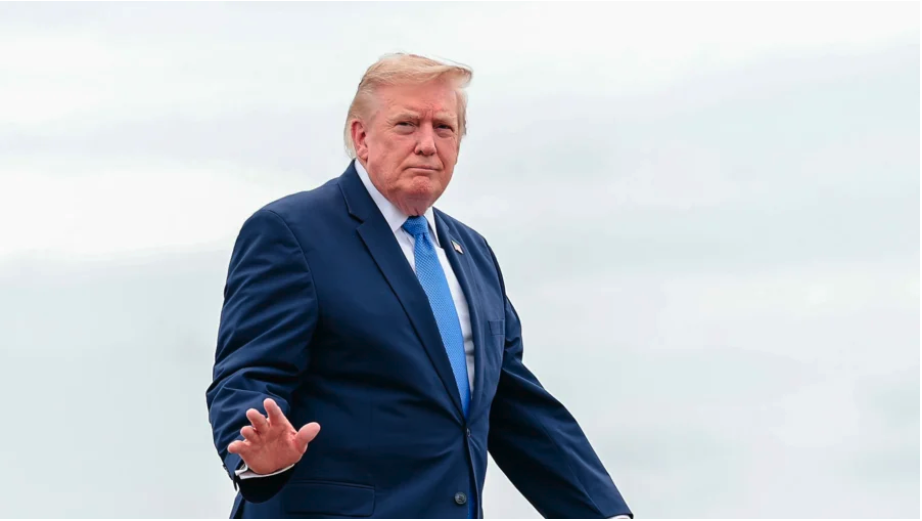
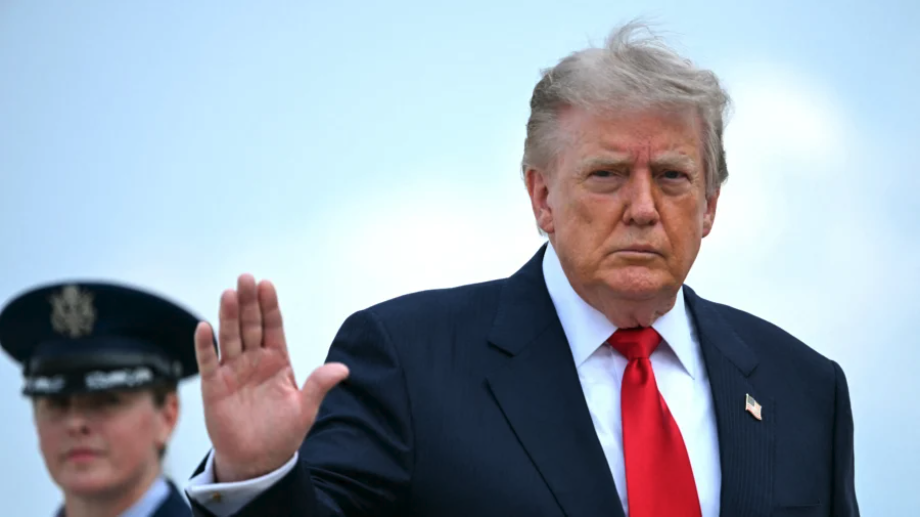
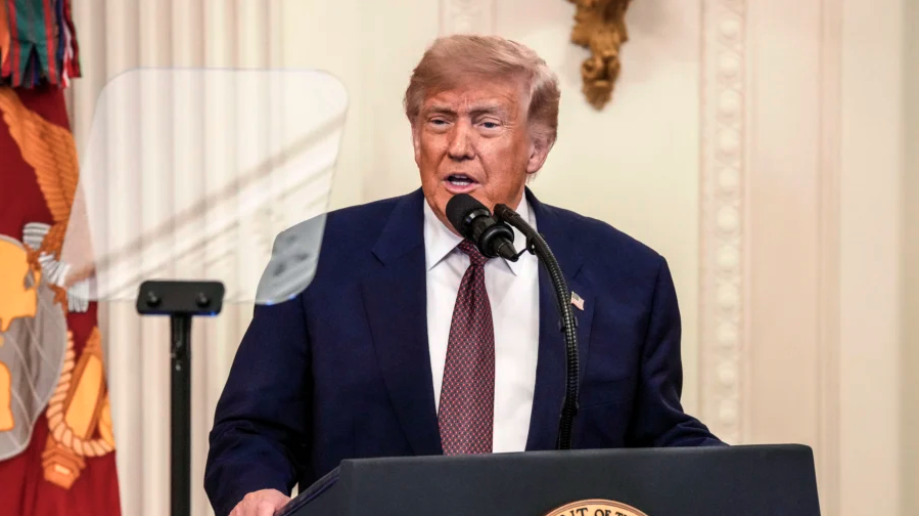
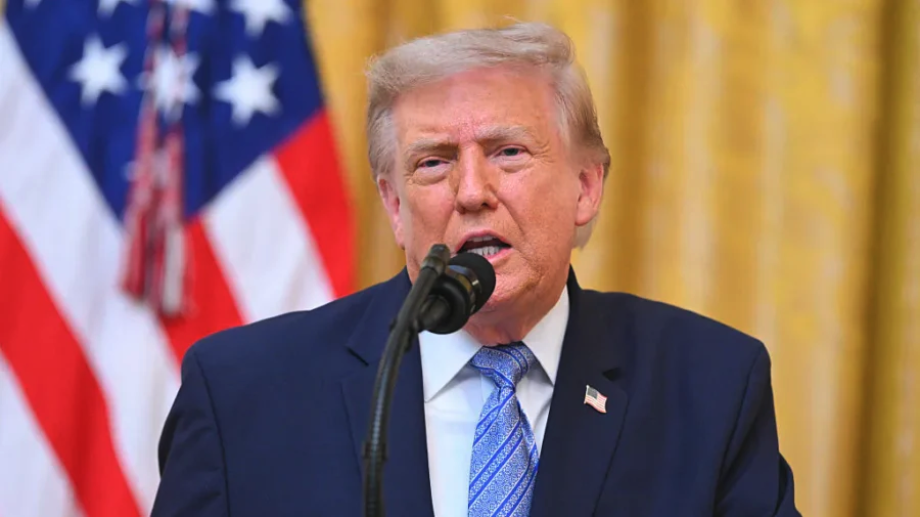
U.S. President Donald Trump said the strikes on South Pars were done by Israel “out of anger for what has taken place in the Middle East,” and were carried out without his knowledge. He said Israel had "violently lashed out" at the facility but would not attack the gas field again. He warned that if Iran continued striking Qatar’s energy infrastructure, the United States would retaliate and “massively blow up the entirety” of the field.
“I do not want to authorize this level of violence and destruction because of the long term implications that it will have on the future of Iran,” Trump said in a post on social media. “But if Qatar’s LNG is again attacked, I will not hesitate to do so.”
Analysts have told The Epoch Times that the scale of disruption from energy infrastructure attacks and Iran's blocking of the Strait of Hormuz could lead to one of the most significant energy shocks in decades.
Jessica Lewis McFate, senior director of intelligence solutions at Babel Street, focusing on open-source intelligence and national security, said the severity of the shock may depend more on the conflict's trajectory than on supply volumes alone.
“It’s not only the Strait of Hormuz that is in jeopardy right now,” the former U.S. soldier told The Epoch Times.
She said strikes on data centers using cheap Iranian drones “changes the nature of what kind of retaliatory strikes that are, quote, unquote, non-lethal can look like when you’re attacking another country’s infrastructure.”
McFate said it is a “season of not great options,” and companies must reassess how they secure energy.
Iran has said that the Strait of Hormuz is open, but not to the United States or its allies. While some vessels have sailed through, it has only been a trickle.
Iranian Foreign Minister Abbas Araghchi said that a new international mechanism should be created to govern transit through the key transit channel once the current conflict ends.
In a March 18 interview with Al Jazeera, Araghchi said countries bordering the waterway should negotiate a protocol guaranteeing secure shipping under specified conditions, in ways that “prevent the recurrence of war and guarantee lasting peace.”
Araghchi declined to specify details but, when pressed about the conditions, said they must ensure long-term regional stability and prevent the closure of the strategic passage in case of future crises.
From The Epoch Times