


President voices frustration after justices from both ideological wings question his administration’s push to limit constitutional guarantee during historic court appearance
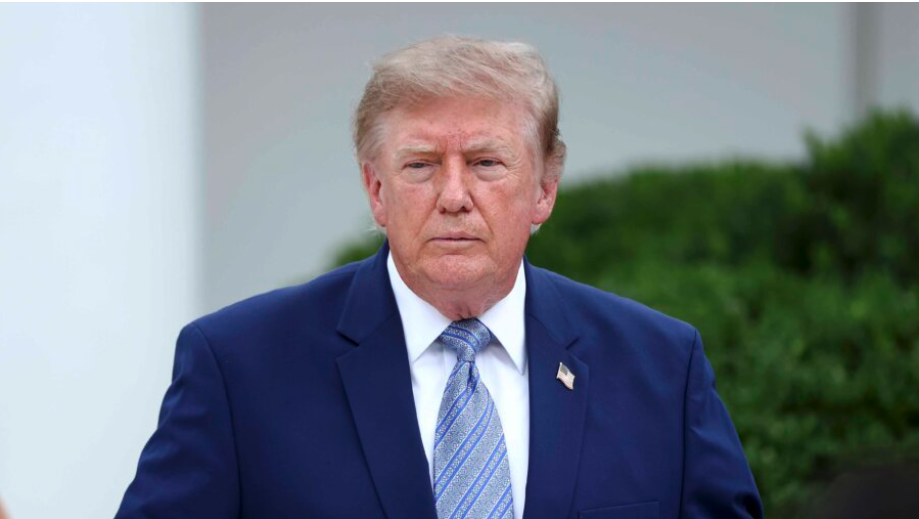
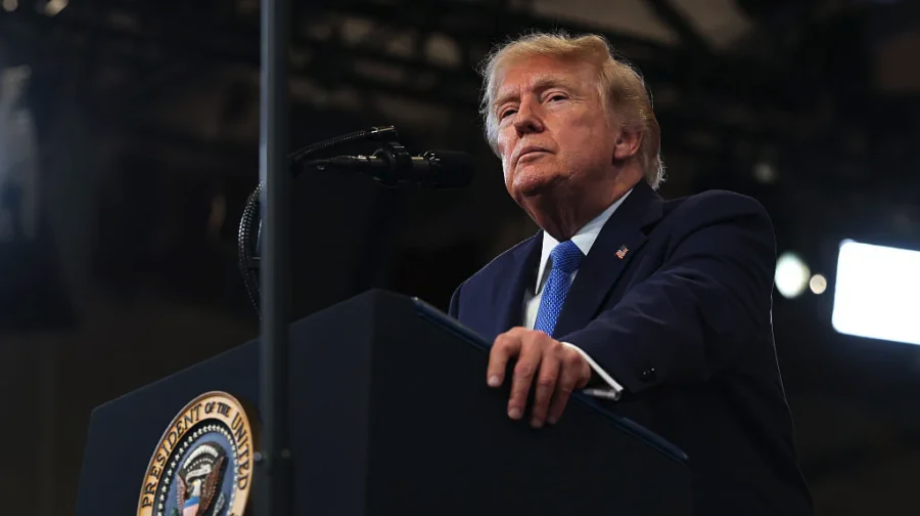
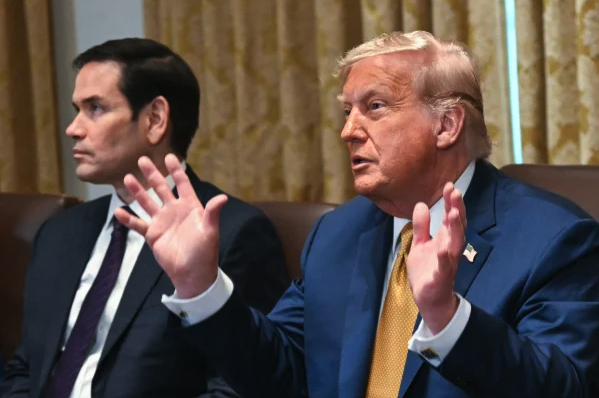
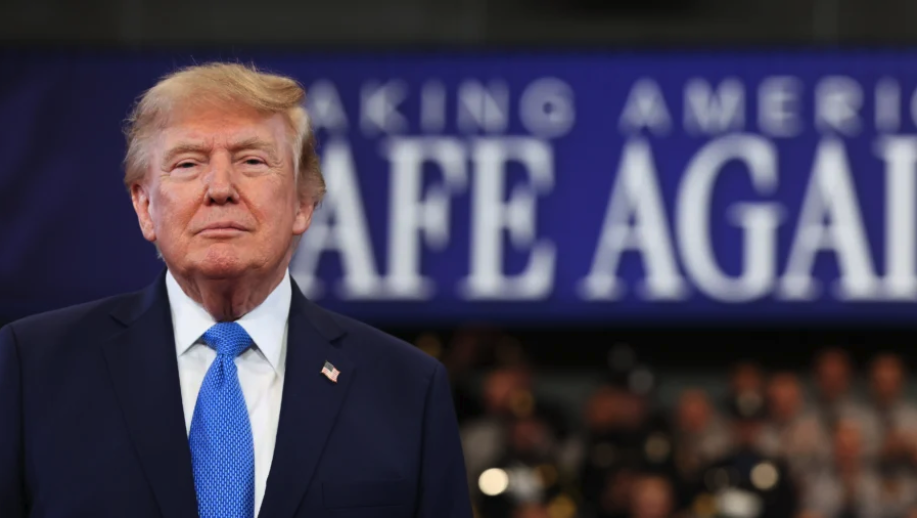
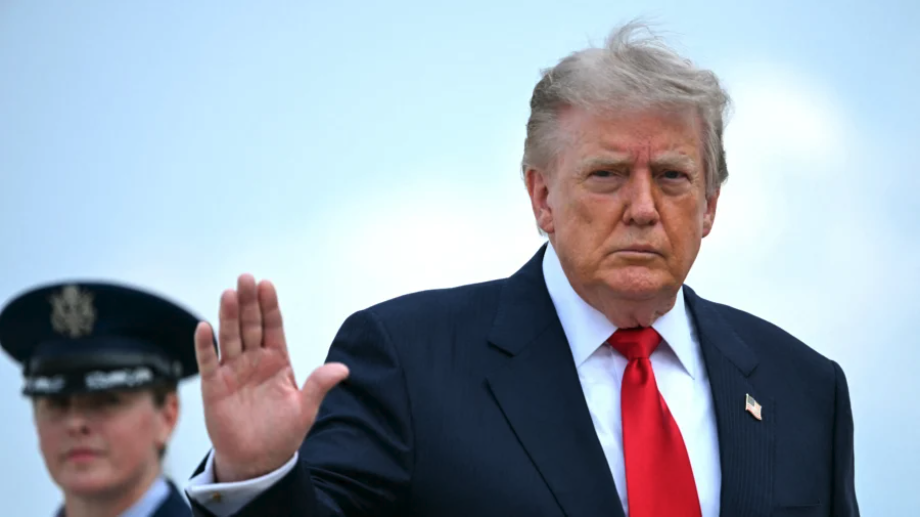
President Donald Trump shared his first reaction after attending the Supreme Court’s oral arguments on birthright citizenship Wednesday morning, expressing frustration as both conservative and liberal justices appeared to cast doubt on his efforts to limit the constitutional guarantee.
Trump sat in the first row of the public gallery, becoming the first sitting president to observe an oral argument at the Supreme Court.
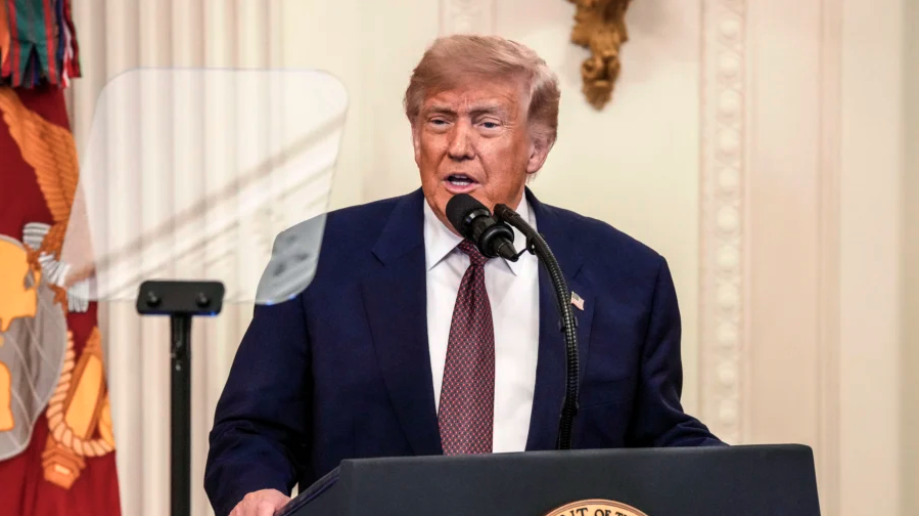
“We are the only Country in the World STUPID enough to allow ‘Birthright’ Citizenship!” Trump wrote in a Truth Social post after arguments concluded.
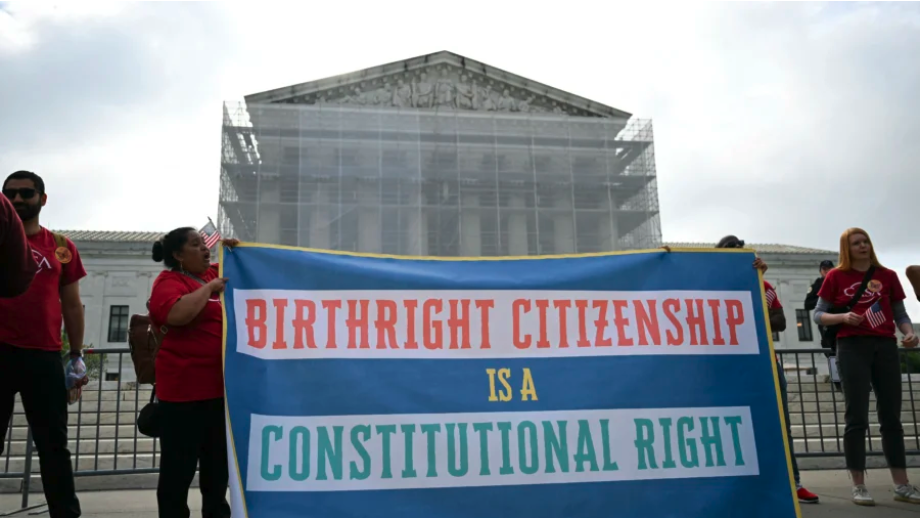
The citizenship clause of the 14th Amendment states that anyone born or naturalized in the United States is generally an American citizen.
However, the Trump administration has argued that granting citizenship to virtually anyone born on U.S. soil has created incentives for illegal immigration and fueled a practice known as “birth tourism,” in which foreigners travel to the United States to give birth and secure citizenship for their children. On his first day in office, Trump signed an executive order directing U.S. agencies not to recognize the citizenship of children born in the country if neither parent is an American citizen or lawful permanent resident, commonly known as a “green card” holder.
The nation’s highest court, which holds a 6–3 conservative majority, heard more than two hours of arguments in the administration’s appeal of a lower court decision that blocked the executive order restricting the constitutional guarantee.
U.S. Solicitor General D. John Sauer reiterated the administration’s position that the 14th Amendment has never been interpreted to extend citizenship universally, adding that unrestricted birthright citizenship contradicts policies in modern nations.
“It operates as a powerful pull factor for illegal immigration and rewards illegal aliens who not only violate the immigration laws but also jump in front of those who follow the rules,” Sauer said.
Chief Justice John Roberts suggested Sauer was relying on “quirky” exceptions to make a broader argument about undocumented individuals.
“I’m not quite sure how you can get to that big group from such tiny and sort of idiosyncratic examples,” Roberts said.
American Civil Liberties Union attorney Cecillia Wang argued that Trump’s executive order was unlawful, emphasizing that birthright citizenship is firmly enshrined in the 14th Amendment.
The amendment’s citizenship clause states: “All persons born or naturalized in the United States, and subject to the jurisdiction thereof, are citizens of the United States and of the State wherein they reside. No State shall make or enforce any law which shall abridge the privileges or immunities of citizens of the United States; nor shall any State deprive any person of life, liberty, or property, without due process of law; nor deny to any person within its jurisdiction the equal protection of the laws.”
Justice Clarence Thomas appeared most inclined among the justices to side with the president during oral arguments.
“How much of the debates around the 14th Amendment had anything to do with immigration?” Thomas asked, noting that the amendment’s original purpose was to grant citizenship to Black Americans, including formerly enslaved people.
The justices are expected to announce their decision by the end of the term in June.