


U.S.-brokered 10-day truce follows rare high-level talks, mounting casualties, and ongoing tensions involving Hezbollah, Iran, and regional security concerns
Israel and Lebanon entered into a 10-day ceasefire on April 16.
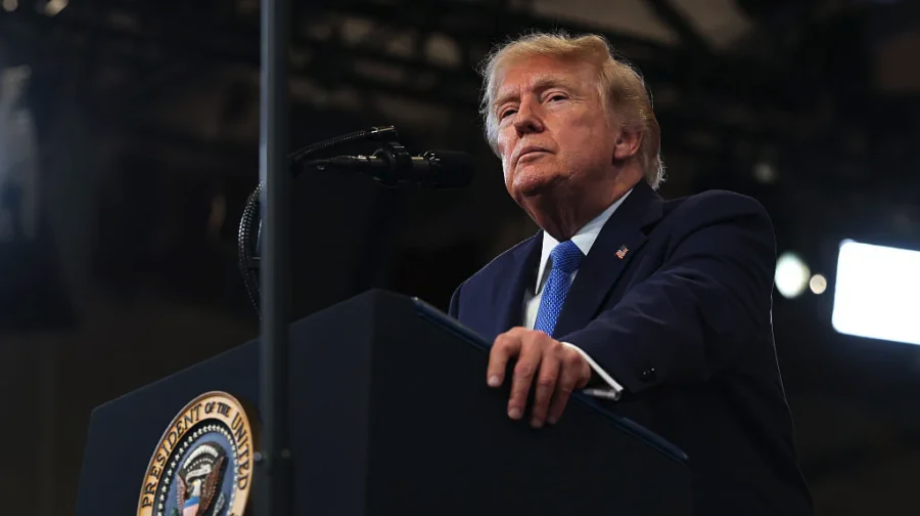
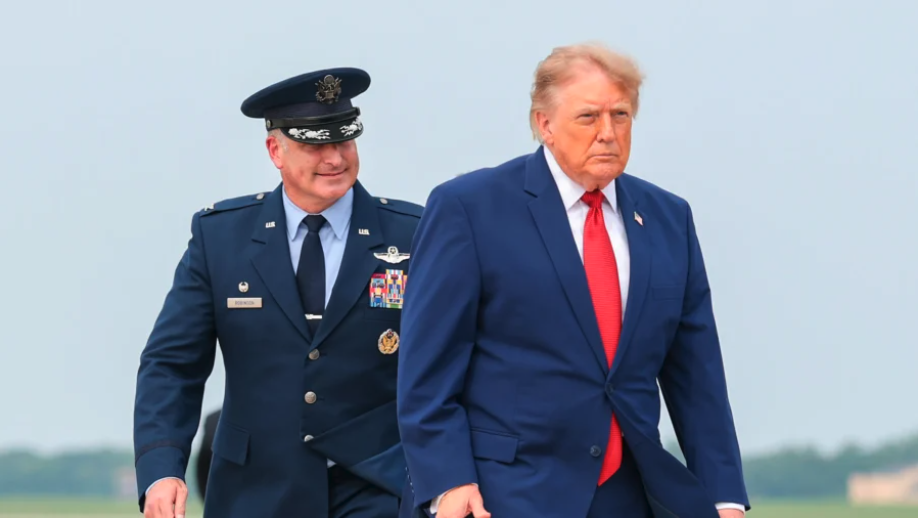
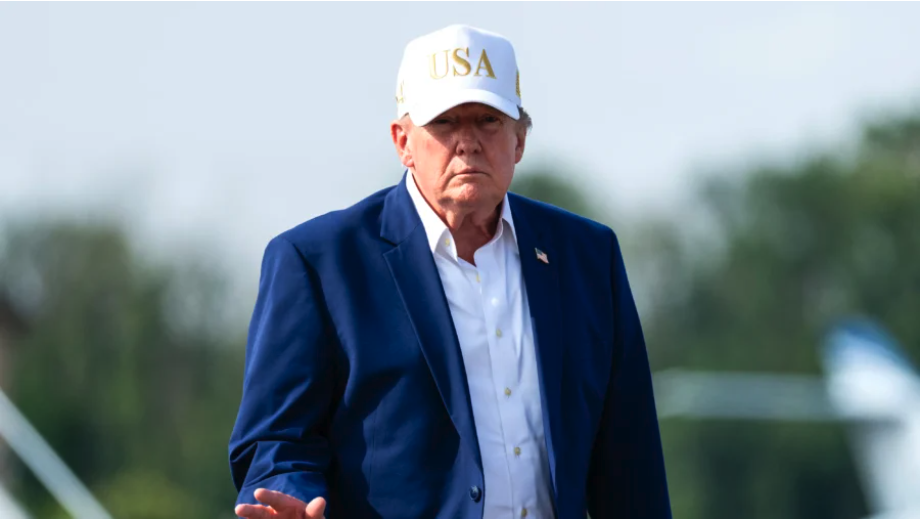
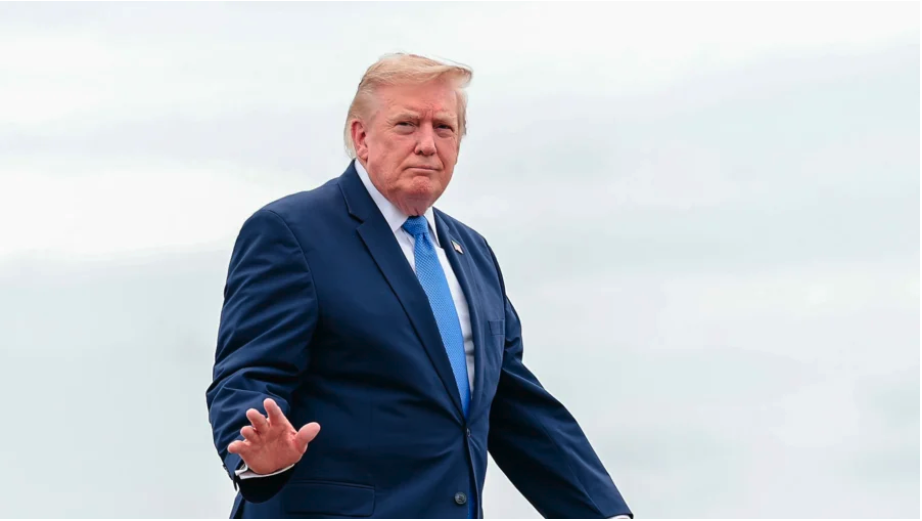
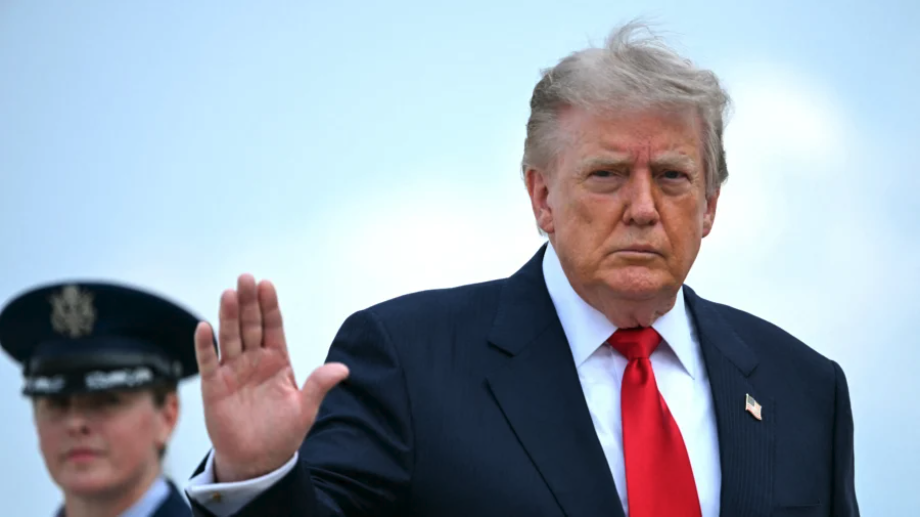
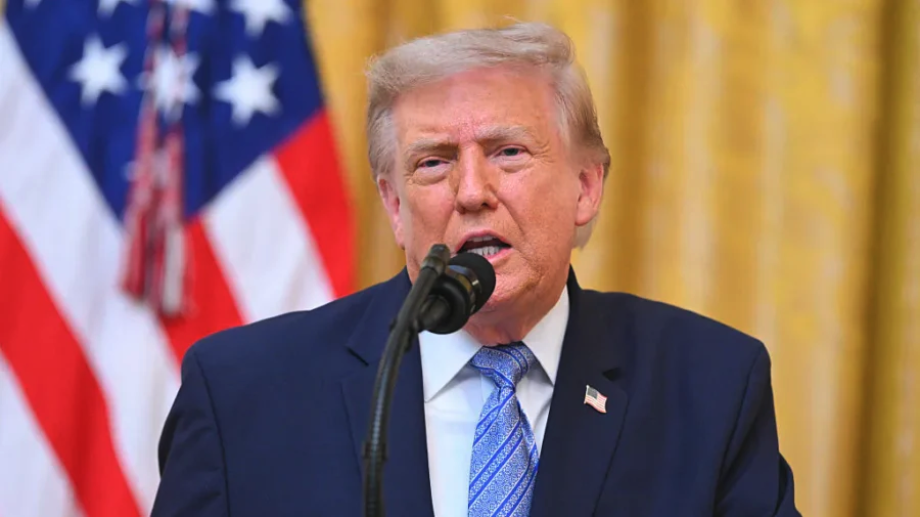
U.S. President Donald Trump said the brief pause in violence would begin on the evening of April 16 following conversations with Lebanese President Joseph Aoun and Israeli Prime Minister Benjamin Netanyahu.
“These two Leaders have agreed that in order to achieve PEACE between their Countries, they will formally begin a 10 Day CEASEFIRE at 5 P.M. EST,” Trump wrote in a Truth Social post on April 16.
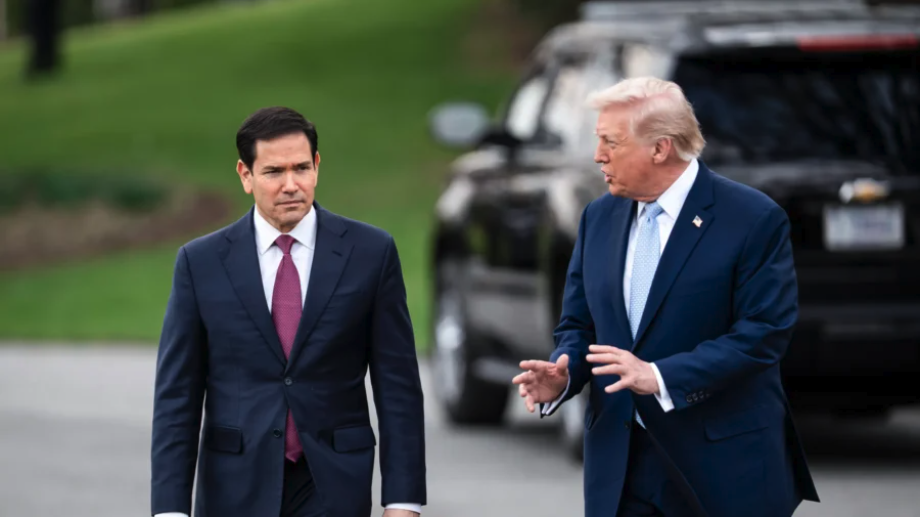
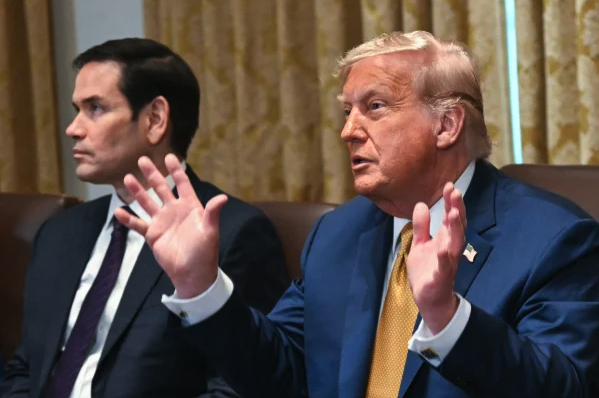
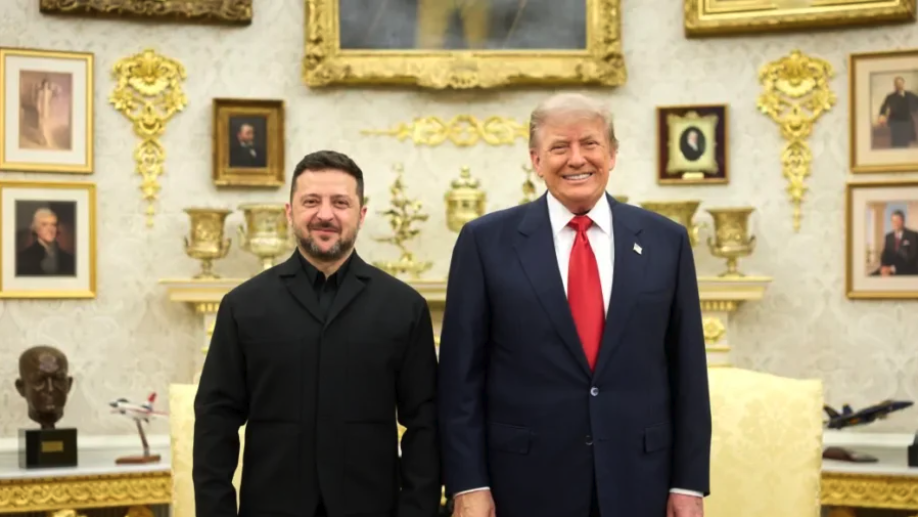
The announcement came after U.S. Secretary of State Marco Rubio led rare talks between the countries in Washington on April 14—the first time leaders from the neighboring nations met in person at the U.S. Capitol in 34 years.
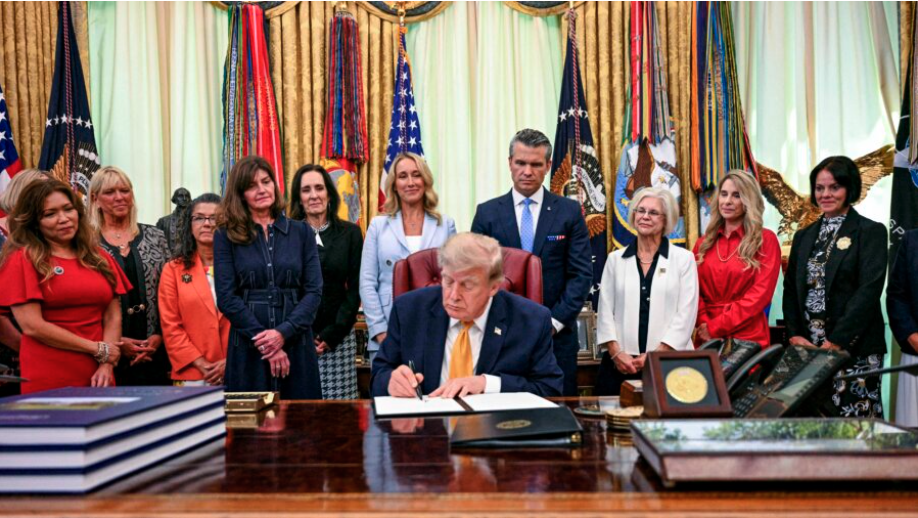
Trump directed Rubio, Vice President JD Vance, and Joint Chiefs of Staff Chairman Gen. Dan Caine to work with Israel on a deal aimed at achieving “lasting peace.”
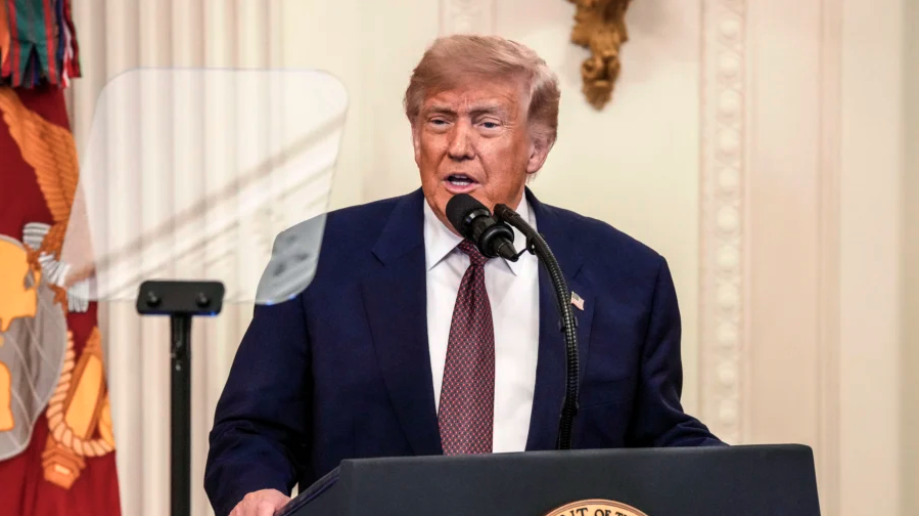
“It has been my Honor to solve 9 Wars across the World, and this will be my 10th, so let's, GET IT DONE!” Trump said in his post.
The president, who was seeking “breathing room” amid parallel diplomatic efforts related to the Iran conflict, indicated that he hopes to host the two leaders at the White House in the coming weeks.
The U.S. State Department said in an April 16 statement that both countries acknowledged “the significant challenges faced by the Lebanese state from non-state armed groups, which undermine Lebanon’s sovereignty and threaten regional stability.”
“Israel and Lebanon affirm that the two countries are not at war and commit to engaging in good-faith direct negotiations, facilitated by the United States, with the objective of achieving a comprehensive agreement that ensures lasting security, stability, and peace,” the statement reads.
The ceasefire announcement was welcomed by Lebanese Prime Minister Nawaf Salam, who said his country had pursued such an outcome since the conflict began on March 2.
The conflict started when Hezbollah, an Iranian-backed terrorist organization, launched rockets and drones toward northern Israel shortly after Israel began striking Iran alongside the United States in Operation Epic Fury, which killed dozens of senior Iranian leaders.
“As I congratulate all Lebanese on this achievement, I pray for the martyrs who fell, and affirm my solidarity with their families, with the wounded, and with the citizens who were forced to flee their cities and villages, and I hold full hope that they will be able to return to them as soon as possible,” Salam said.
Trump, in a Truth Social post, called on Hezbollah to halt its attacks against Israel during the temporary ceasefire.
“I hope Hezbollah acts nicely and well during this important period of time. It will be [a] GREAT moment for them if they do. No more killing. Must finally have PEACE,” he wrote.
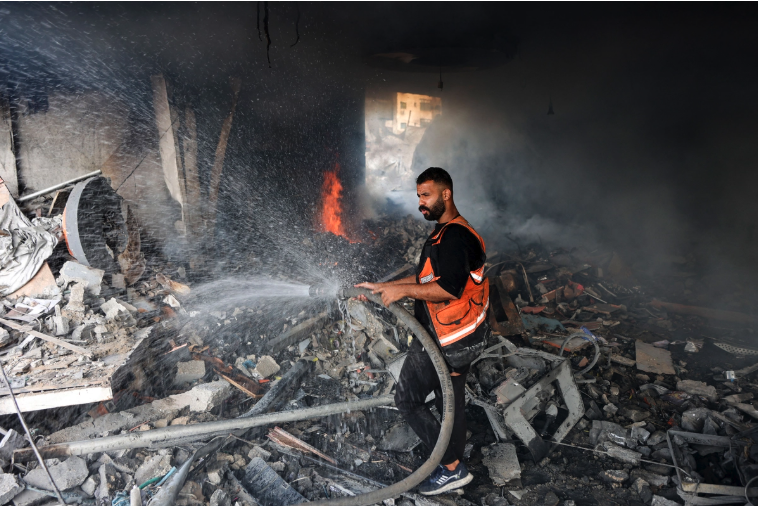
Nearly 2,200 people have died and more than 7,100 have been injured since Israel began strikes in early March, according to figures released by Lebanon’s Ministry of Public Health on April 16. More than 172 of the fatalities and 650 of the injured are children, the report states.
Aoun spoke with Trump on April 16 and thanked him for his efforts, expressing hope for “lasting peace and stability” in the region.
The conflict has displaced approximately 1.2 million people, particularly in densely populated areas. Israel has maintained that its strikes target Hezbollah.
Netanyahu said that since early March, the Israel Defense Forces have “eliminated the massive arsenal of 150,000 rockets and missiles” believed to be intended for use against Israeli cities.
“This balance has shifted to such an extent that over the past month, we began receiving calls from Lebanon to hold direct peace talks between us,” Netanyahu said on April 16. “This is something that hasn’t happened in over 40 years.”
He added that for peace to be achieved, Hezbollah must be disarmed in Lebanon.
Netanyahu said Hezbollah had set two conditions: Israel’s withdrawal from Lebanese territory and a ceasefire based on a “quiet for quiet” model.
“I agreed to neither of these, and indeed, those two conditions are not being met,” he said.
Israel will remain in a security buffer zone in Lebanon approximately six miles deep from its border.
“That is where we are, and we are not leaving,” Netanyahu said.
Senior Israeli officials told Epoch Magazine Israel that the ceasefire would follow the same framework as the November 2024 truce with Hezbollah. Israeli forces will remain in their current positions in Lebanon without withdrawing, while retaining the right to self-defense and to counter emerging threats.
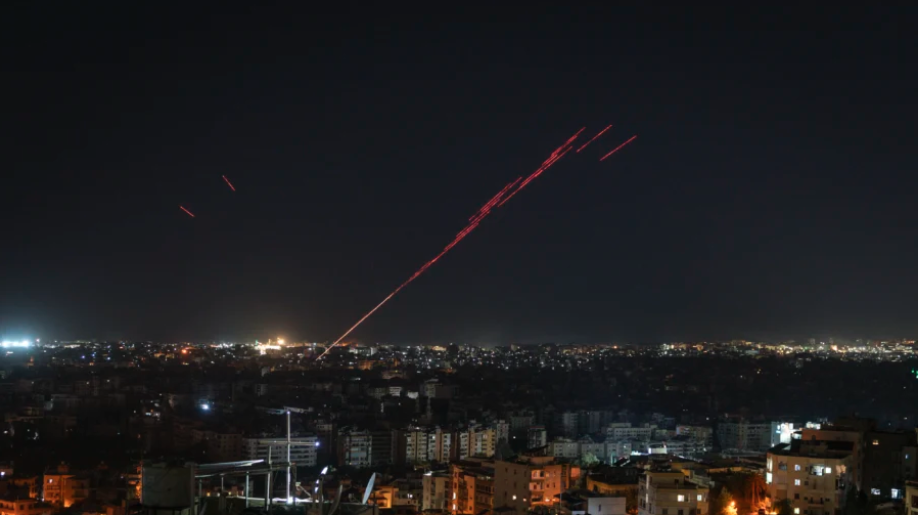
On April 8, the Israel Defense Forces carried out their largest coordinated strike in Lebanon, targeting more than 100 Hezbollah command centers and military sites in Beirut, the Beqaa Valley, and southern Lebanon.
On April 16, an Israeli strike destroyed the last bridge connecting southern Lebanon to the rest of the country, a senior Lebanese security official told Reuters, stating that the bridge was “shattered” beyond repair.
In the 24 hours leading up to the ceasefire, Israeli forces continued striking Hezbollah targets in Lebanon to support ground operations in the south.
According to a 2024 U.S. Congress report, Hezbollah is an Iran-backed, U.S.-designated foreign terrorist organization operating in Lebanon. The report states that the group acts as a partner force of the Iranian regime, helping project power across the region, train allied militias—including reportedly Hamas—and threaten U.S. interests and allies.
It also notes that Hezbollah has cited Israel’s presence in disputed areas such as Shebaa Farms in the لبنان–Syria–Israel tri-border region to justify continued attacks.
Iran has condemned Israel’s weeks-long strikes on Lebanon, stating that they were part of the broader ceasefire framework reached with the United States.
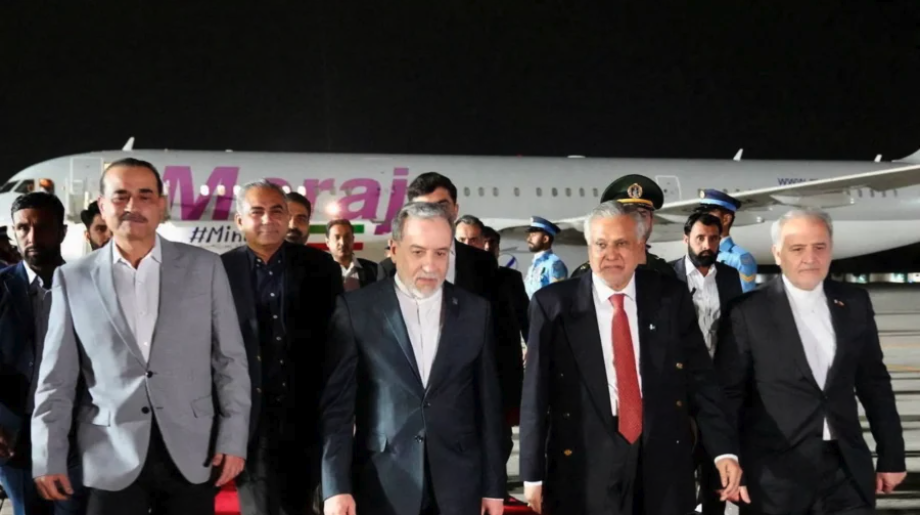
Another round of in-person peace talks between the United States and Iran is under consideration after discussions led by Vance, alongside special envoy Steve Witkoff and adviser Jared Kushner, with an Iranian delegation in Islamabad failed to produce progress.
The Trump administration has stated it will not reach an agreement with Tehran unless Iran abandons its nuclear ambitions, which did not occur during the initial round of talks over the weekend.