

President says military objectives are close to completion as intensified strikes loom and global markets react to signs of a potential endgame
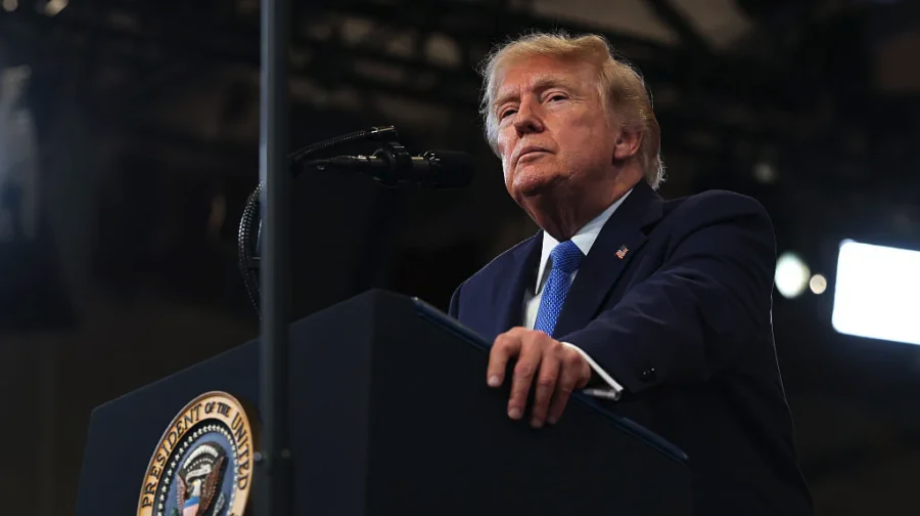
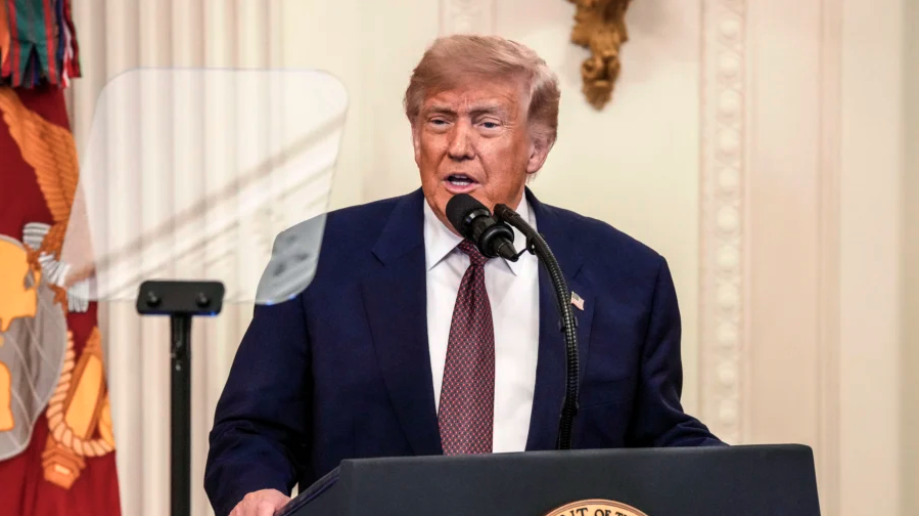
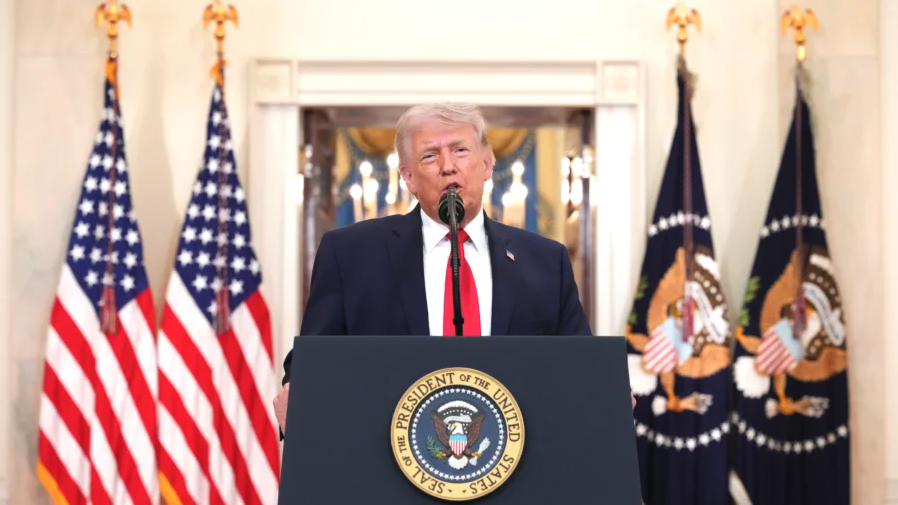
WASHINGTON — President Donald Trump outlined the rationale behind the United States’ war with Iran and said that the country is “nearing completion” of its military objectives during a primetime address on April 1.
“Thanks to the progress we've made, I can say tonight that we are on track to complete all of America's military objectives shortly, very shortly,” Trump said.
“We're going to hit them extremely hard over the next two to three weeks. We're going to bring them back to the stone ages, where they belong,” he added.
Trump noted that negotiations with Iran are ongoing and reiterated that “regime change has occurred” following U.S.–Israeli joint strikes that eliminated “all of their original leaders.”
“They're all dead. The new group is less radical and much more reasonable,” he said.
However, he warned that if no agreement is reached, future strikes would target Iran’s power plants and oil facilities.
The address, which aired at 9 p.m. ET, came as the Middle East conflict entered its second month.
During his nearly 20-minute speech, Trump made no mention of plans for a ground troop invasion.
He outlined the operation’s objectives: eliminating Iran’s navy, destroying its air force and missile program, and dismantling its defense industrial base.
“We've done all of it,” Trump said, adding that U.S. actions would “crush their ability to support terrorist proxies, and deny them the ability to build a nuclear bomb.”
He also emphasized the scale of the operation’s success.
“Never in the history of warfare has an enemy suffered such clear and devastating, large-scale losses in a matter of weeks,” he said.
The president acknowledged concerns over rising gas prices while asserting that the U.S. economy remains well prepared for the conflict.
On March 31, Trump said U.S. forces could conclude combat operations against Iran within two to three weeks. He also indicated that the United States may end the conflict without addressing all Iranian threats in the Strait of Hormuz, stating that other nations should safeguard their own trade interests.
“That’s not for us. That will be for France. That will be for whoever is using the strait,” he told reporters.
Investors interpreted his remarks as a signal that the war may soon end. On April 1, stocks rose while oil prices declined. The Dow Jones Industrial Average gained 200 points, while U.S. West Texas Intermediate futures fell 1.24 percent to settle at $100.12 per barrel.
During his address, Trump criticized countries facing fuel shortages that have not supported the United States in the conflict.
“To those countries that can't get fuel, ... buy oil from the United States of America—we have plenty,” he said.
He also urged those nations to take control of the Strait of Hormuz, protect it, and use it for their own benefit.
“In any event, when this conflict is over, the strait will open up naturally,” Trump said. “The gas prices will rapidly come back down. Stock prices will rapidly go back up.”
Since the beginning of the military campaign, U.S. forces have struck more than 11,000 targets.
Hours before the address, Trump said on Truth Social that Iranian President Masoud Pezeshkian is seeking a cease-fire deal but would not consider it until tensions in the Strait of Hormuz are resolved.
“Iran’s New Regime President, much less Radicalized and far more intelligent than his predecessors, has just asked the United States of America for a CEASEFIRE!” Trump wrote.
“We will consider when Hormuz Strait is open, free, and clear. Until then, we are blasting Iran into oblivion or, as they say, back to the Stone Ages!!!”
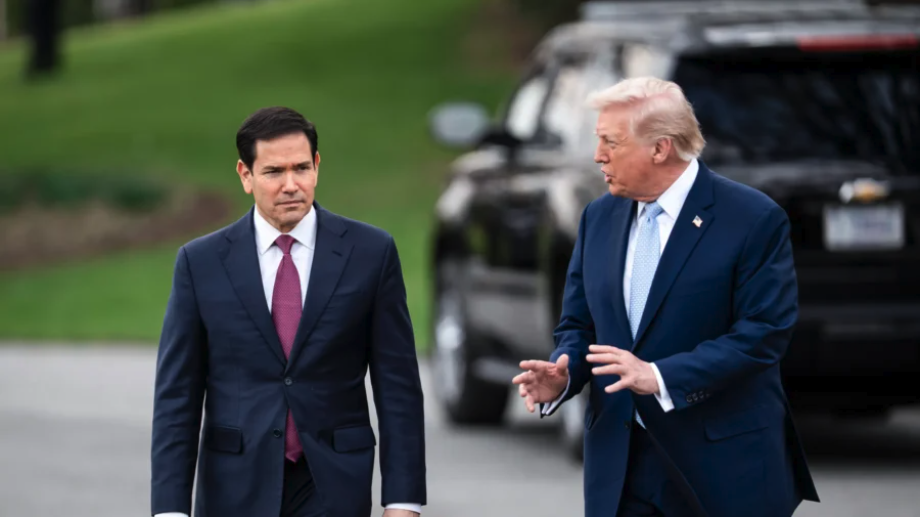
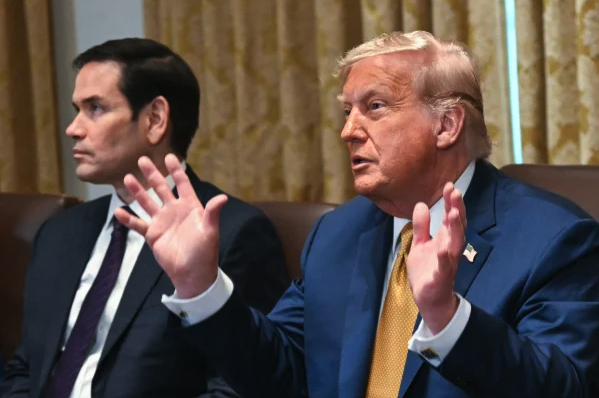
Secretary of State Marco Rubio also released a video message on April 1 explaining the rationale for the war.
“We were on the verge of an Iran that had so many missiles and so many drones that no one could do anything about their nuclear weapons program in the future—that was an intolerable risk,” Rubio said.
“This was our last best chance to eliminate that conventional threat, that conventional shield that they were trying to build, and the President made the right decision to wipe it out.”
Trump delivered his remarks amid growing concern over rising fuel prices in the United States, as Iran’s threats to block the Strait of Hormuz disrupted global supply chains.
According to the American Automobile Association, the national average price for a gallon of regular gasoline has reached $4.06, more than a dollar higher than a month ago.
During the address, Trump criticized previous U.S. administrations for failing to act against Iran, specifically targeting former President Barack Obama for signing a nuclear agreement with Tehran.
“They made mistakes, and I am correcting them,” Trump said. “My first preference was always the path of diplomacy. Yet the regime continued their relentless quest for nuclear weapons.”