

U.S. president signals rapid military withdrawal with option for targeted return strikes while tensions persist over nuclear threats and Strait of Hormuz control
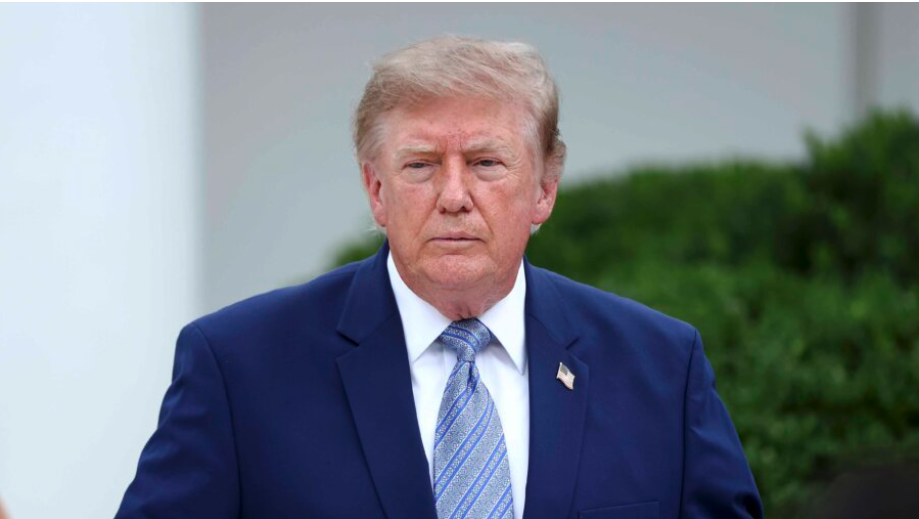
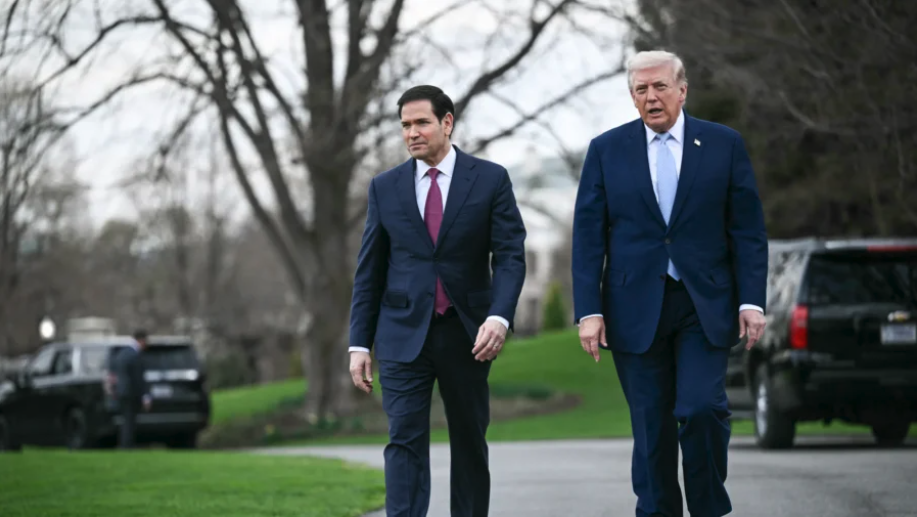
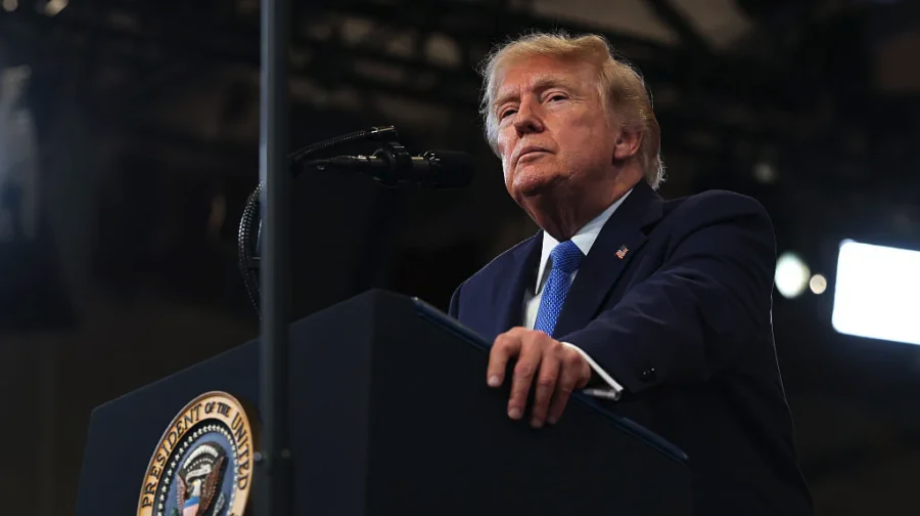
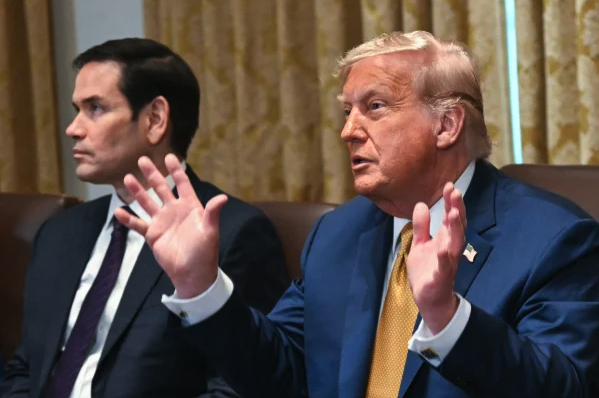
President Donald Trump on Wednesday outlined a potential exit strategy from the Iran conflict, suggesting U.S. forces could withdraw “pretty quickly” while retaining the option to return for targeted strikes if necessary.
Speaking to Reuters, Trump was asked when the United States would consider the more than monthlong conflict to be over. He responded that the military would leave “pretty quickly.”
“They won’t have a nuclear weapon because they are incapable of that now, and then I’ll leave, and I’ll take everybody with me, and if we have to, we’ll come back to do spot hits,” Trump said, describing a possible path forward.
Trump added that he believes the Iranian regime will comply with U.S. demands “because they don’t want to be blasted anymore.”
“The big thing we have is they’re not going to have a nuclear weapon,” he said, adding: “Nor do they want one.”
Now in its fifth week, the conflict has increased pressure on Trump to bring operations to a close, particularly as gasoline and energy prices continue to rise. The president scheduled a 9 p.m. ET address on Wednesday to outline the next steps.
A day earlier, Trump told reporters at the White House that the conflict could conclude within two to three weeks. He has also indicated that Washington is in discussions with figures within the Iranian government, telling the New York Post that one such contact is Iran’s parliament speaker, Mohammad-Bagher Ghalibaf. However, some officials from Iran’s foreign ministry have denied that any direct talks are taking place.
Ahead of his national address, Trump stated via his Truth Social platform that Iran’s president had requested a cease-fire. That claim was rejected by an Iranian foreign ministry spokesperson, who called the remarks “false and baseless.”
Trump further stated that any cease-fire would depend on the reopening of the Strait of Hormuz.
“Until then, we are blasting Iran into oblivion or, as they say, back to the Stone Ages!!!” he wrote.
Meanwhile, Iran’s Islamic Revolutionary Guards Corps claimed on Wednesday that it has full control over the Strait of Hormuz, a critical maritime route through which roughly one-fifth of the world’s crude oil supply passes. The Trump administration has warned that failure to reopen the strait could result in U.S. strikes on Iranian energy infrastructure and other key facilities.
Amid these developments, Iran’s senior leadership signaled continued resistance. Ayatollah Mojtaba Khamenei issued a statement through state media reaffirming support for the Lebanese Hezbollah group and its leadership, as well as ongoing backing for anti-Israel forces in the region.
“I firmly declare that the consistent policy of the Islamic Republic of Iran, in continuing the path of the late Imam and martyred leader, is based on continuing to support the resistance,” Khamenei said in remarks drawn from a letter addressed to Hezbollah.