

Military analysts detail potential escalation scenarios, regional dynamics, and internal divisions within Iran shaping the course of the conflict
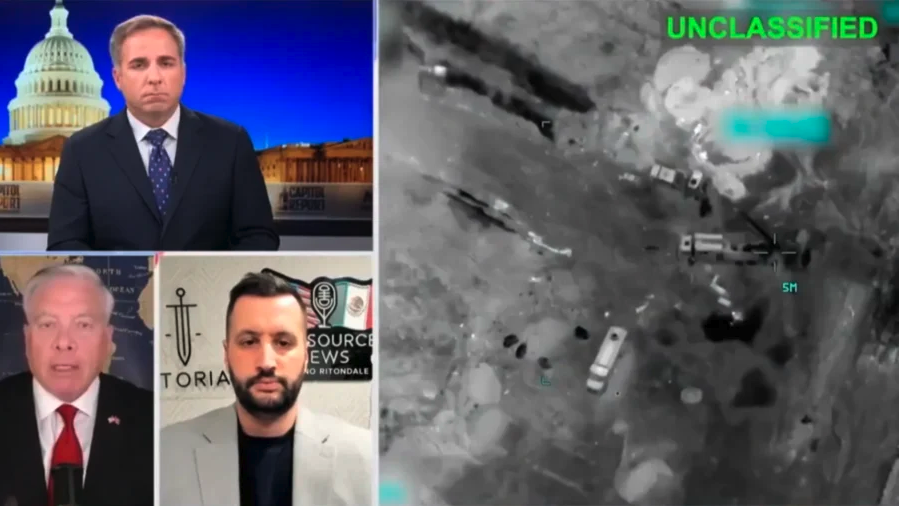
Retired Marine intelligence officer Lt. Col. Hal Kempfer, chief executive officer of Global Risk Intelligence and Planning Inc. (GRIP) and host of the STRAT podcast, along with Stefano Ritondale, a U.S. Army veteran and chief intelligence officer for Artorias, joined a panel discussion with NTD.
Kempfer discussed President Donald Trump’s options for escalating the war in Iran, including amphibious raids or seizing islands and transferring control to Gulf allies as an occupation force until the United States secures a satisfactory agreement with Tehran.
Ritondale outlined the president’s options for deploying ground troops to islands surrounding the Strait of Hormuz, as well as leveraging military forces in Iran’s Khuzestan province, which borders Iraq.
Kempfer also addressed the logistical challenges of reopening the Strait of Hormuz, including the risk of naval mines. He noted that U.S. European allies possess the necessary minesweeping capabilities and pointed to the potential for a natural coalition to form in order to clear and secure the critical maritime route.
Ritondale further highlighted internal conflict within the Iranian regime, describing divisions among competing factions that are focused on infighting rather than confronting the United States. He said these fractures hinder Iran’s ability to engage in credible negotiations with Washington, while enabling the Trump administration to carry out additional strikes in coordination with Israeli forces.
Kempfer emphasized that the United States must complete its mission in Iran to ensure the stability of the global economic engine.