

President suggests U.S. military operations could conclude in as little as two to three weeks as pressure mounts on Iran and regional dynamics shift
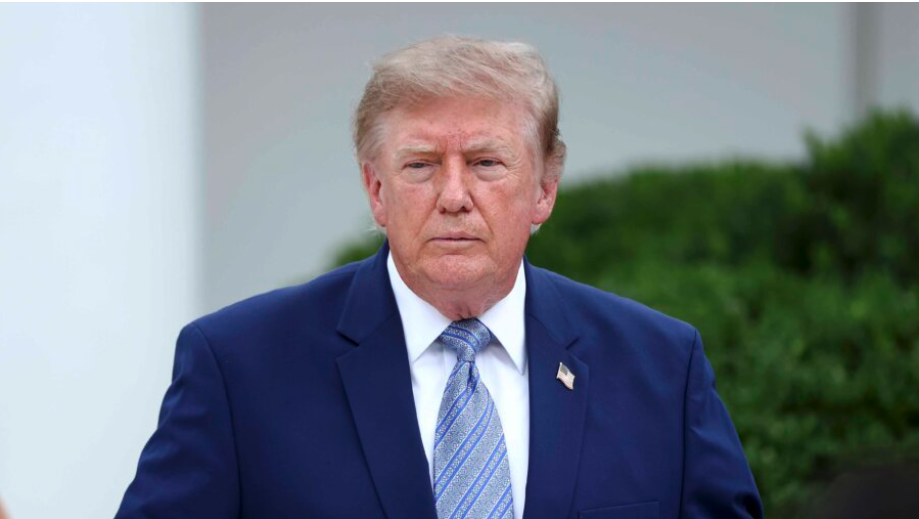
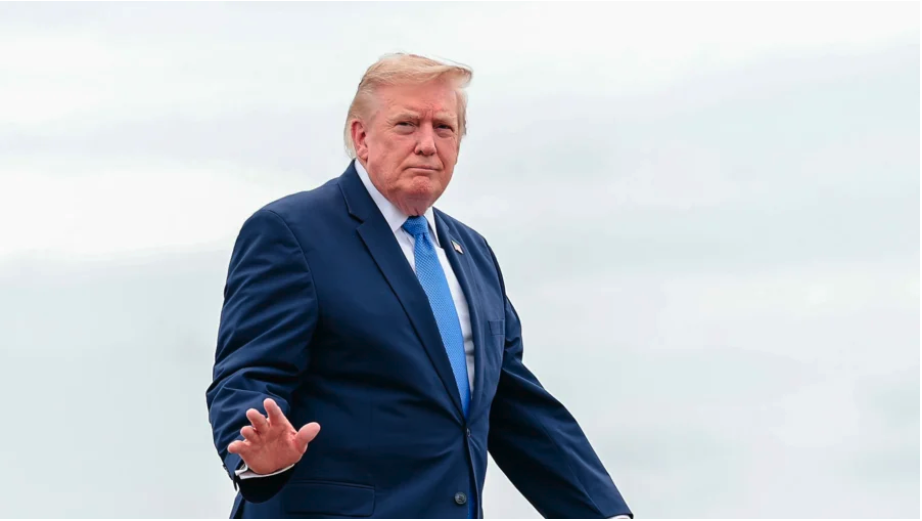
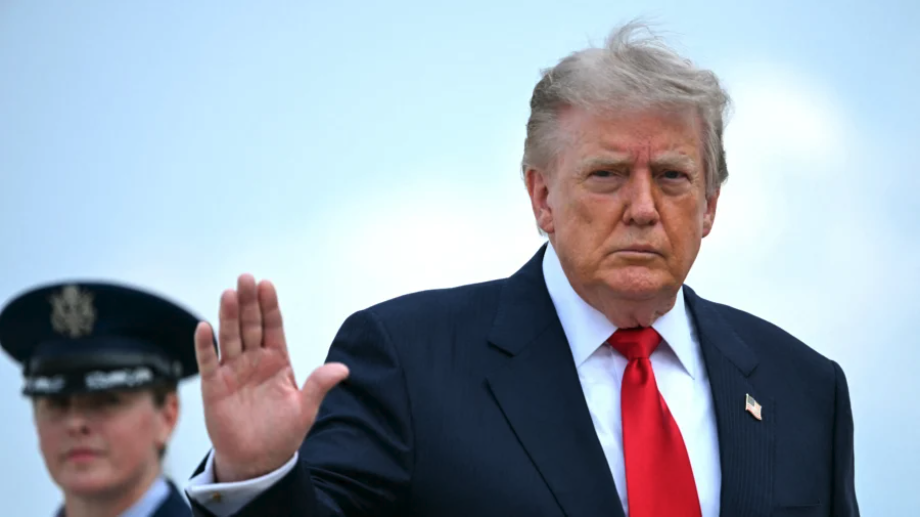
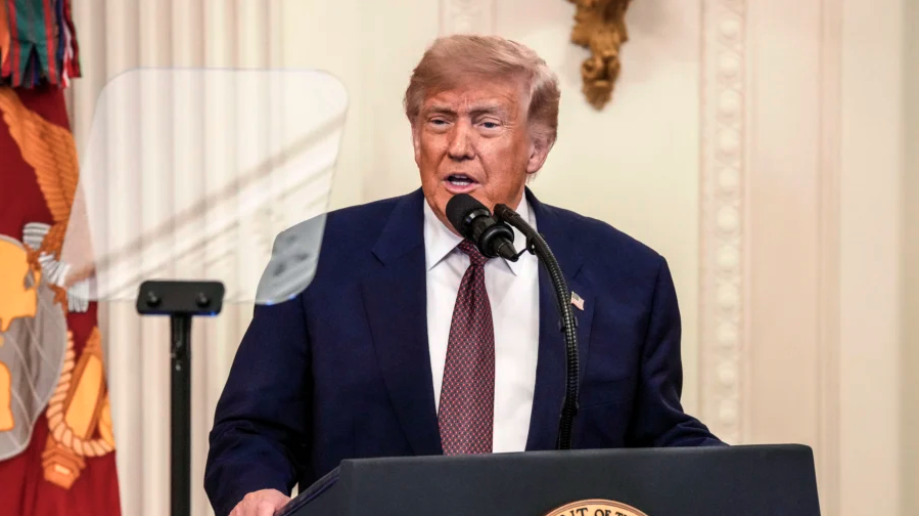
WASHINGTON — U.S. forces could conclude combat operations against Iran in as few as two weeks, President Donald Trump said on March 31.
Asked during a White House press conference whether he has a plan to help bring down gas prices, which have risen since the start of the conflict, Trump said, “All I have to do is leave Iran, and we'll be doing that very soon, and they'll become tumbling down.”
The president added that U.S. forces could wrap up combat operations within a short timeframe.
“I would say that within two weeks, maybe two weeks, maybe three,” he said.
Speaking at the White House, Trump outlined a scenario in which U.S. forces would end the conflict without fully addressing all Iranian threats in the Strait of Hormuz. Instead, he said responsibility would fall to other nations relying on the vital shipping route.
“That’s not for us. That will be for France. That will be for whoever is using the strait,” he said.
However, Trump predicted that threats in the Strait of Hormuz would largely subside by the time U.S. operations conclude.
“Today, I heard tremendous numbers of ships were sailing through,” he added.
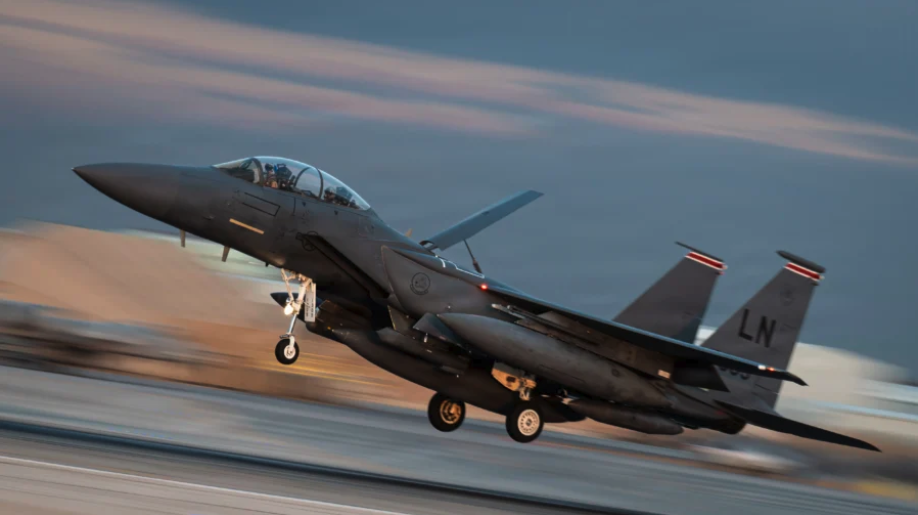
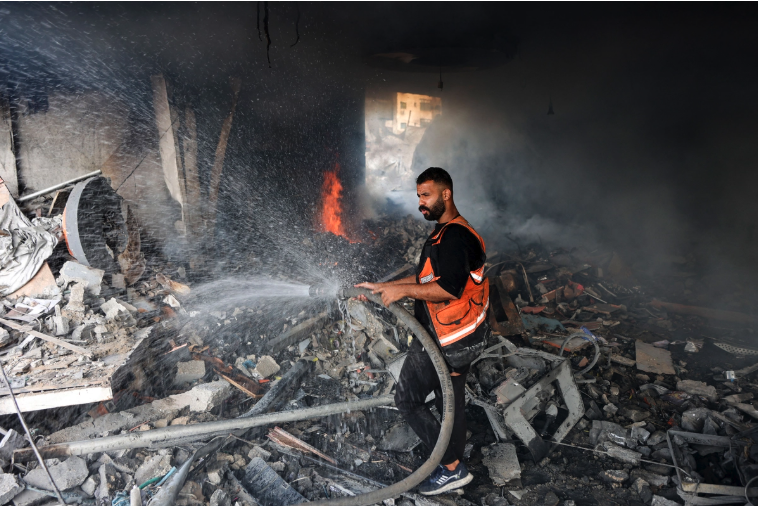
Since the launch of the military campaign—dubbed Operation Epic Fury—U.S. forces have struck more than 11,000 targets.
At a Pentagon briefing Tuesday, Secretary of War Pete Hegseth said the previous 24 hours saw the lowest number of Iranian missile and drone launches since fighting began.
“The latest intel is clear ... our strikes are damaging the morale of the Iranian military, leading to widespread desertions, key personnel shortages, and causing frustrations amongst senior leaders,” Hegseth said.
Despite the progress, Hegseth declined to provide a firm timeline for achieving all military objectives.
“Four to six weeks, six to eight weeks, three. It could be any particular number, but we would never reveal precisely what it is because our goal is to finish those objectives, and we're well on our way,” he said.
He added that the final decision on when to formalize a peace agreement with Tehran would rest with the president.
Trump’s remarks Tuesday are not the first indication that the conflict may be nearing its end. He and other administration officials have repeatedly suggested that U.S. forces are ahead of schedule, even as reinforcements continue to arrive in the region.
Roughly two weeks into the conflict, the U.S. military deployed an amphibious ready group and a Marine Expeditionary Unit—comprising approximately 4,000 to 5,000 personnel—to the Middle East. A second amphibious group has also departed from California and is currently crossing the Pacific.
The Pentagon has further reinforced its presence by deploying elements of the U.S. Army’s 82nd Airborne Division, including the 1st Brigade Combat Team.
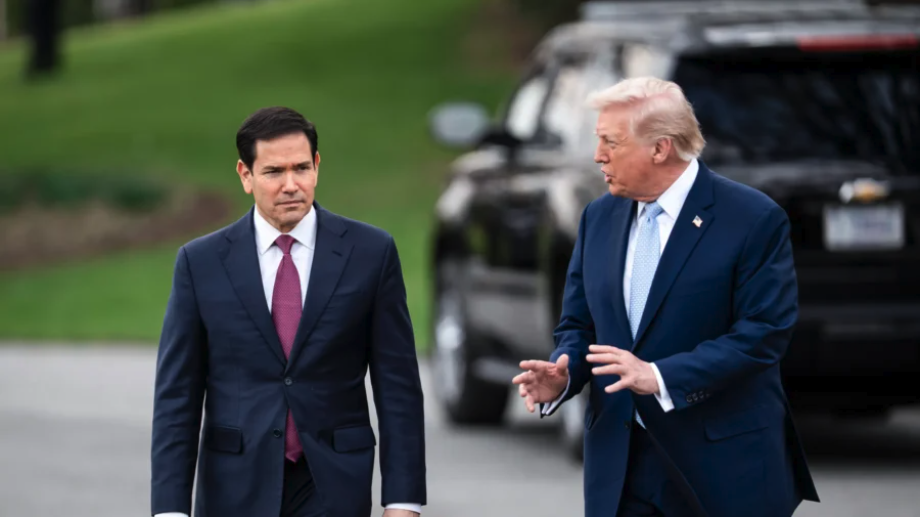
Speaking to reporters during a visit to France last week, Secretary of State Marco Rubio said the United States could complete its campaign without deploying ground troops, though additional forces would expand strategic flexibility.
“We are always going to be prepared to give the president maximum optionality,” Rubio said.
“We are always going to be prepared to give the president maximum optionality,” he reiterated.