

Trump signals progress in negotiations with Tehran while Iranian officials deny dialogue, amid rising tensions, military buildup, and threats over energy infrastructure
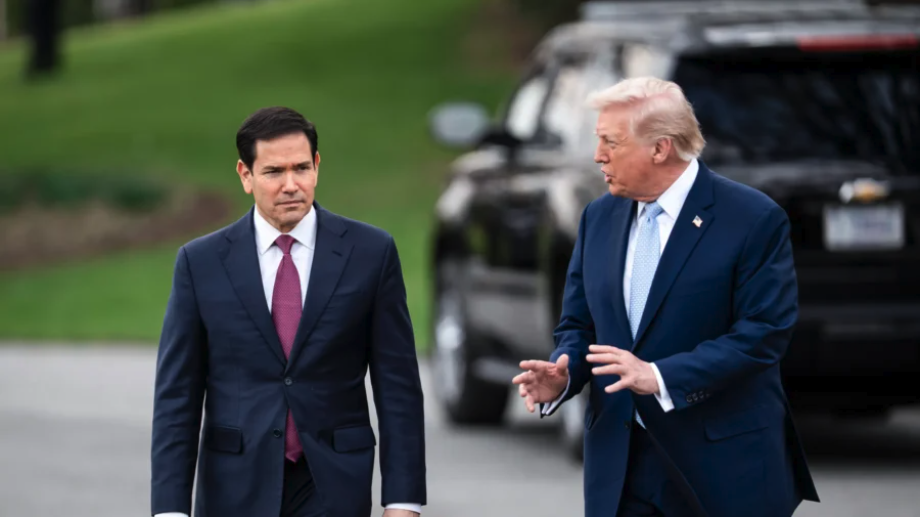
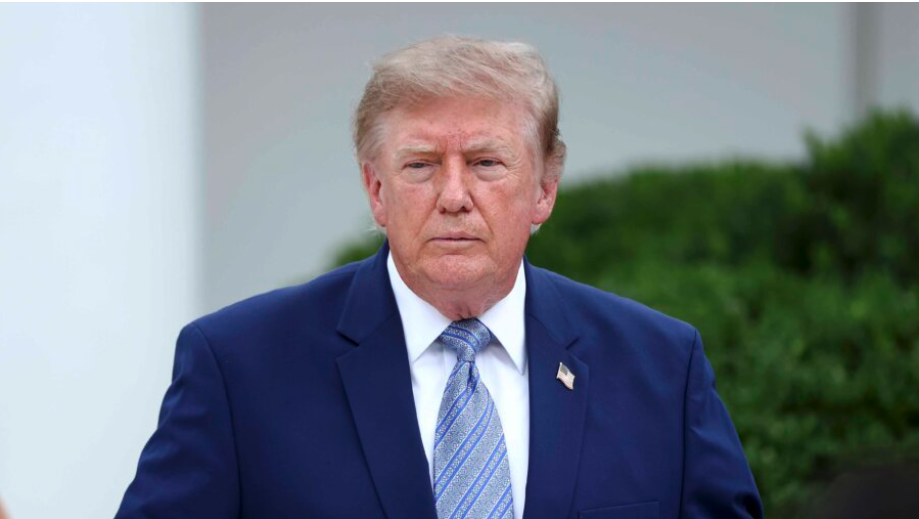
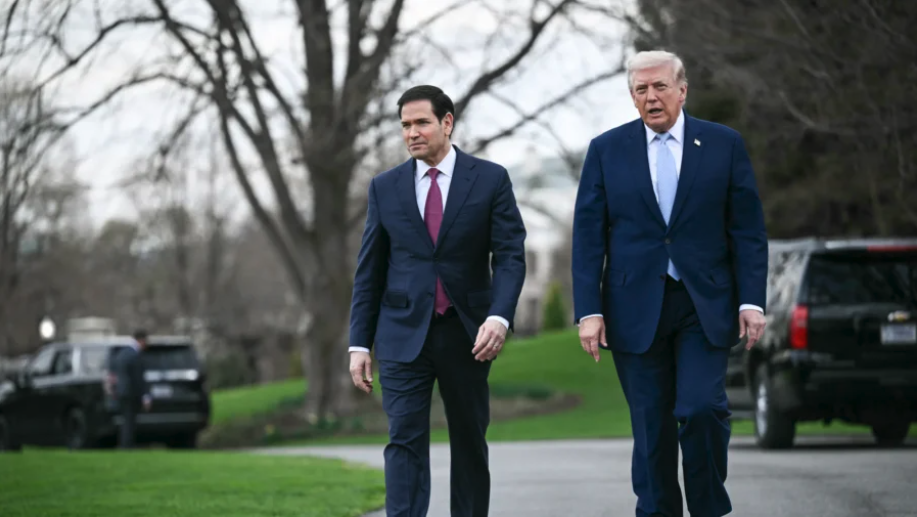
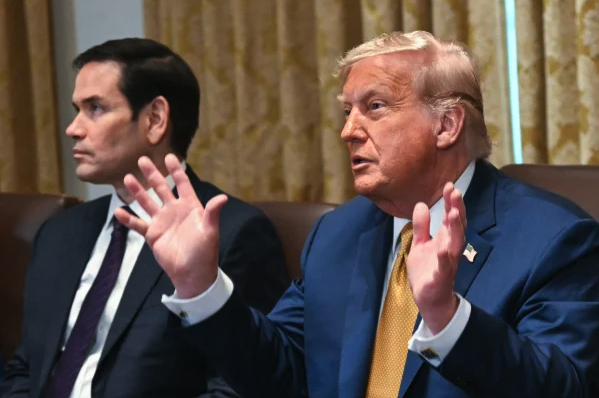
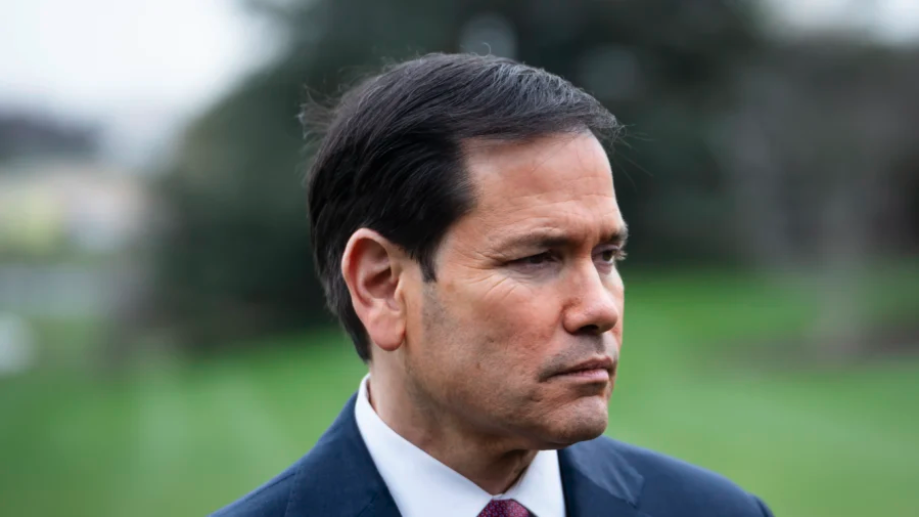
U.S. Secretary of State Marco Rubio said Monday that there are “fractures” within Iran’s new leadership, as President Donald Trump described ongoing talks between Washington and Tehran as making progress.
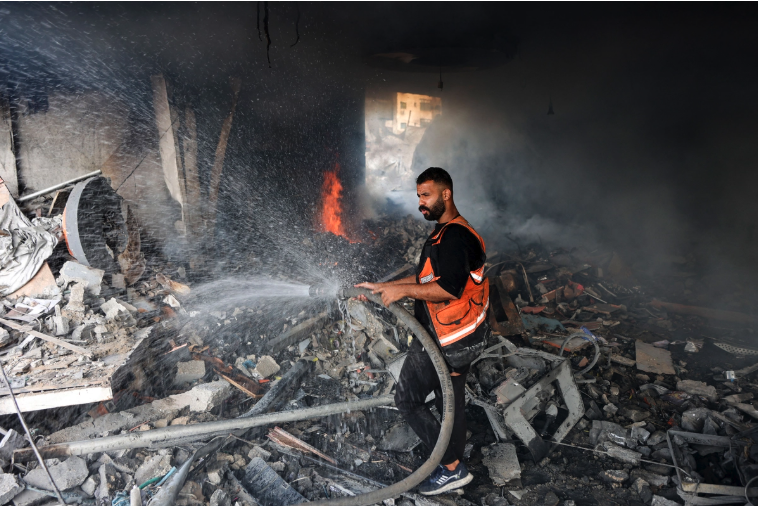
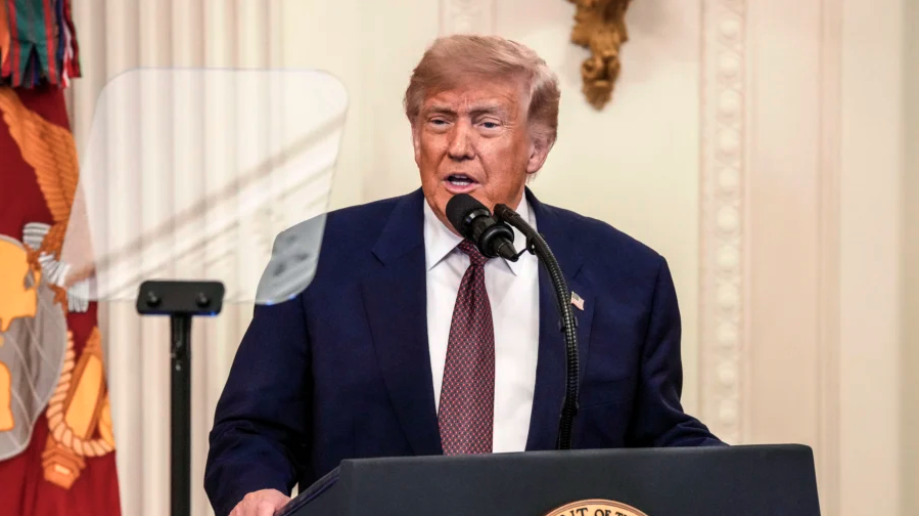
Early on March 30, Trump wrote on Truth Social that his administration is engaged in negotiations with what he called a more reasonable group now in charge of the Iranian regime, as the conflict—now surpassing one month since it began on Feb. 28—continues. Since the outbreak of fighting, U.S. and Israeli forces have killed dozens of Iranian officials, including former top leader Ayatollah Ali Khamenei.
“I’m not going to disclose to you who those people are, because it probably would get them in trouble with some other groups of people inside of Iran,” Rubio said in an interview on ABC News’ Good Morning America on March 30, when asked about Iranian officials involved in discussions with the United States.
Rubio did not provide further details but noted that “there are some fractures going on there internally” within the Iranian leadership.
“And at the end of the day,” he added, “I think that if there are people in Iran who now, given everything that’s happened, are willing to move in a different direction for their country, that would be great.”
While Trump has maintained that negotiations are underway, Iranian officials have disputed claims that any communication is taking place to end the war. A spokesperson for Iran’s Foreign Ministry, in remarks carried by state-run Tasnim News, said Tehran has held no direct talks with the Trump administration.
Iranian parliament speaker Mohammad Bagher Qalibaf, who has repeatedly dismissed the idea of negotiations, said U.S. statements about talks are intended to mask further military actions, as 2,500 U.S. Marines trained in amphibious operations have recently arrived in the Middle East.
He said Iranian forces were “waiting for the arrival of American troops on the ground to set them on fire and punish their regional partners forever,” according to state media.
On Monday, Trump also warned of large-scale destruction targeting Iran’s energy resources and critical infrastructure if a deal to end the conflict is not reached soon.
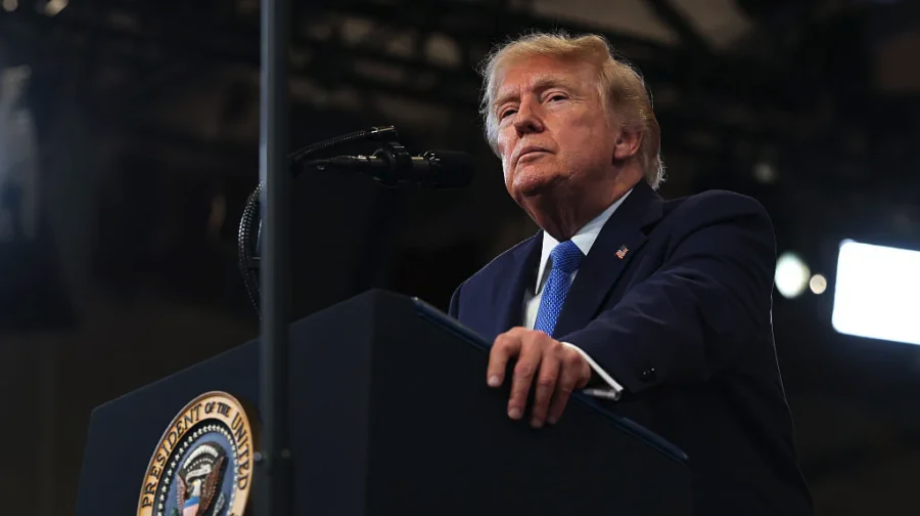
“Great progress has been made but, if for any reason a deal is not shortly reached, which it probably will be, and if the Hormuz Strait is not immediately ‘Open for Business,’ we will conclude our lovely ‘stay’ in Iran by blowing up and completely obliterating all of their Electric Generating Plants, Oil Wells and Kharg Island (and possibly all desalinization plants!),” Trump wrote on Truth Social.
Since the conflict began, the Strait of Hormuz—through which roughly 20 percent of the world’s oil supply typically passes—has been effectively closed as Iran has threatened vessels operating in the region.
Oil markets reacted to the ongoing tensions, with Brent crude rising about 2.5 percent to approximately $115 per barrel on Monday. U.S. West Texas Intermediate crude also climbed 2.8 percent to around $102 per barrel.