



U.S. president escalates rhetoric with warnings of attacks on bridges and power plants as regional tensions intensify and global concerns mount
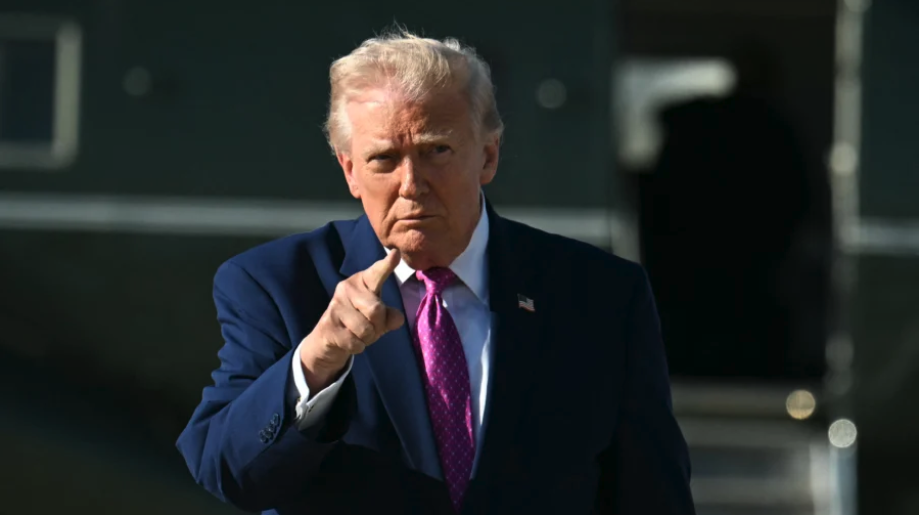
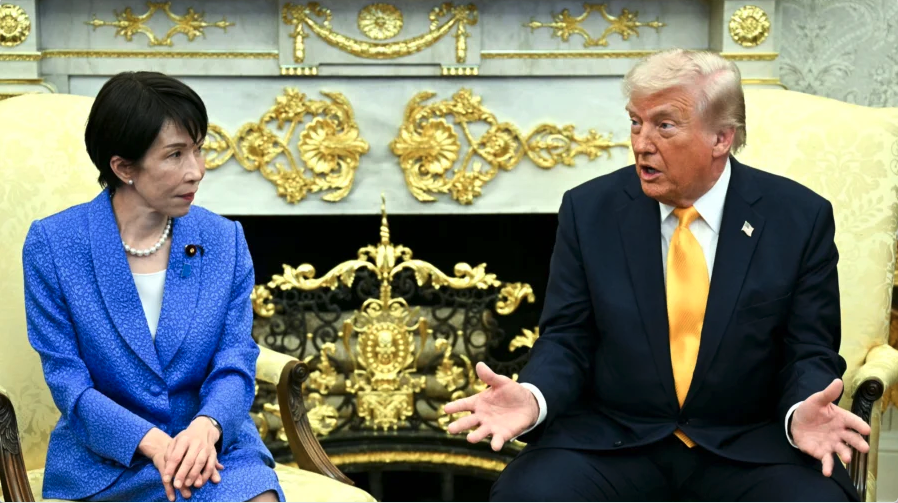
President Donald Trump warned late Thursday of potential strikes targeting bridges and electric power plants in Iran, marking his latest threat against the country’s infrastructure.
The U.S. military “hasn't even started destroying what's left in Iran. Bridges next, then Electric Power Plants,” Trump wrote on social media.
He added that Iran’s leadership “knows what has to be done, and has to be done, FAST!”
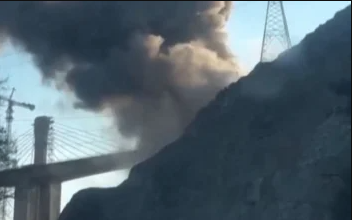
Earlier, Trump posted video showing U.S. forces bombing a newly constructed bridge between Tehran and the northwestern suburb of Karaj. The B1 bridge had been scheduled to open to traffic this year.
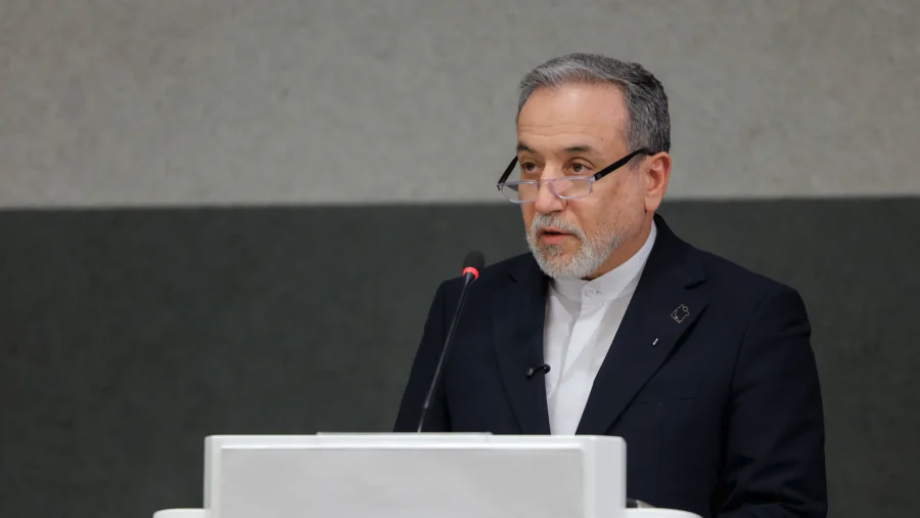
Iranian Foreign Minister Abbas Araqchi responded in a statement, saying, “Striking civilian structures, including unfinished bridges, will not compel Iranians to surrender.”
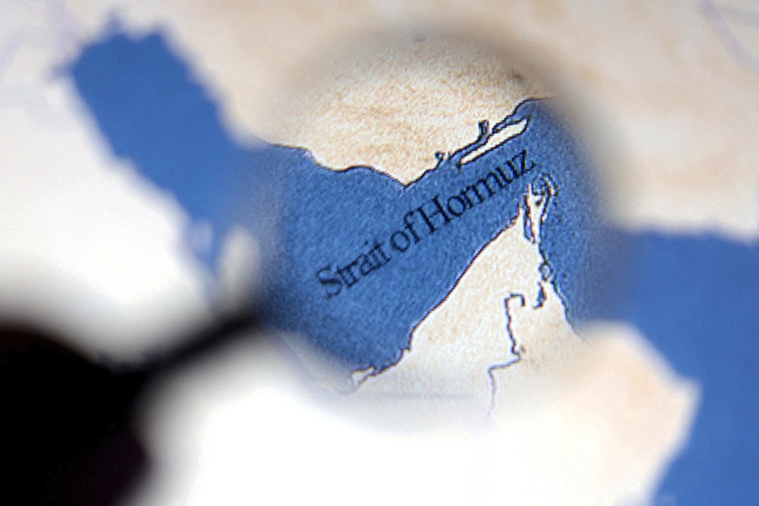
Satellite imagery earlier this week showed smoke rising from the port in Qeshm, an Iranian island strategically located in the Strait of Hormuz.
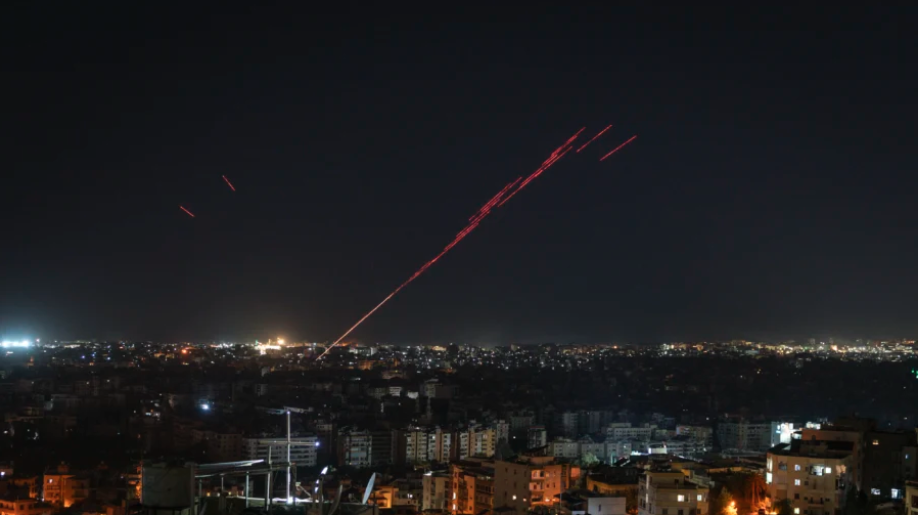
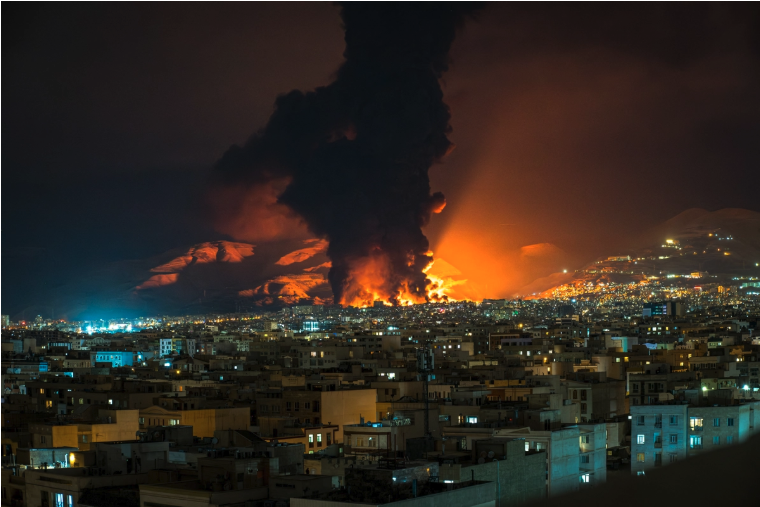
Despite the strikes, Iran and its allies have continued attacks across the Gulf. Kuwait Petroleum Corporation said its Mina al-Ahmadi refinery was hit by drones, triggering fires at operating units, though no injuries were reported, according to the state news agency.
Saudi Arabia’s defense ministry said Friday that its air defenses intercepted seven drones in recent hours, according to its state news agency.
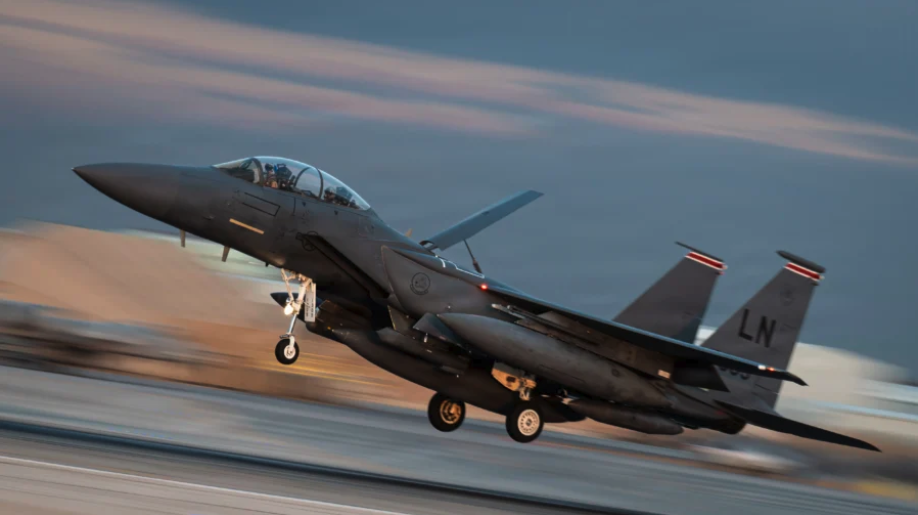
A spokesperson for Iran’s Khatam al-Anbiya central headquarters also said Friday that a second U.S. F-35 fighter jet had been shot down over central Iran by Revolutionary Guard air defenses, with low chances of pilot survival.
There was no immediate response from the United States.
Last month, the U.S. military said a U.S. F-35 aircraft made an emergency landing after a combat mission over Iran, adding that the pilot was in stable condition.
In a televised address Wednesday, Trump warned the conflict could escalate further if Iran failed to meet Washington’s demands, including possible strikes on energy and oil infrastructure.
“We are going to hit them extremely hard over the next two to three weeks. We are going to bring them back to the Stone Ages, where they belong,” he said.
While Trump indicated that Washington was nearing completion of its objectives in Iran, he did not provide a timeline for ending the war.
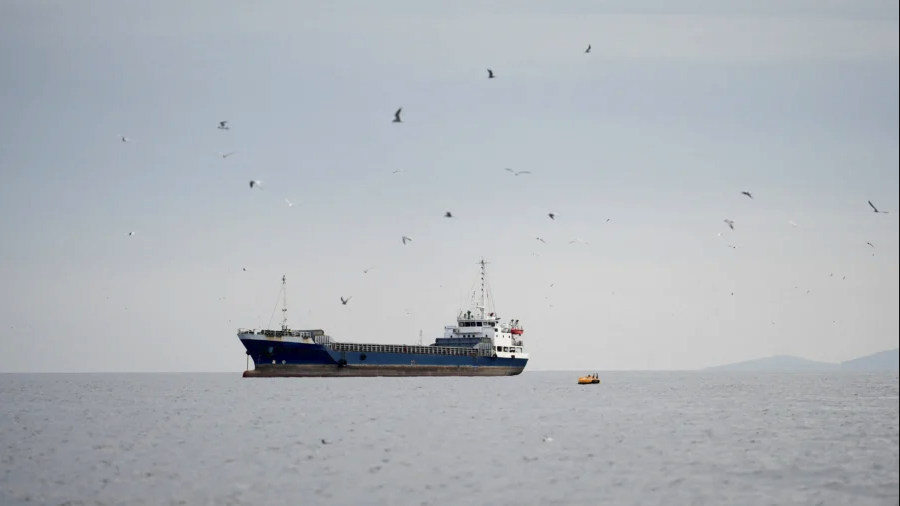
His remarks prompted threats of retaliation from Iran, weighed on global stock markets, and drove oil prices higher amid concerns that the Strait of Hormuz could remain largely closed.
Britain chaired a virtual meeting Thursday involving around 40 countries to explore restoring freedom of navigation, though no concrete agreement was reached.
The United Nations Security Council is expected to vote Saturday on a Bahraini resolution aimed at protecting commercial shipping in and around the strait, diplomats said. However, China signaled opposition to authorizing any use of force.
Iran has effectively shut down the strait—which typically carries about one-fifth of global oil trade—in response to U.S.-Israeli attacks that began on Feb. 28.
Tehran has proposed an alternative framework for controlling the waterway, including drafting a protocol with neighboring Oman that would require ships to obtain permits and licenses.
European Union foreign policy chief Kaja Kallas rejected the proposal, saying Iran cannot impose fees for passage.
“International law doesn't recognise pay-to-pass schemes,” she wrote on social media.
Concerns are growing that the conflict could give Iran greater control over Middle East energy supplies, particularly after demonstrating its ability to disrupt traffic through the Strait of Hormuz by targeting oil tankers and Gulf nations hosting U.S. forces.
Gulf states have emphasized their right to self-defense but have so far refrained from military retaliation, seeking to avoid a broader regional war.
Kuwait reported that its air defenses intercepted missiles and drones twice on Friday.
Since the conflict began, thousands have been killed and tens of thousands injured across the Middle East. The head of the International Federation of Red Cross and Red Crescent Societies delegation warned Thursday that medical needs are rising sharply and supplies may soon become scarce.