






Top general confirms expanded air operations and naval dominance efforts while Trump warns of broader strikes and tensions rise over Strait of Hormuz
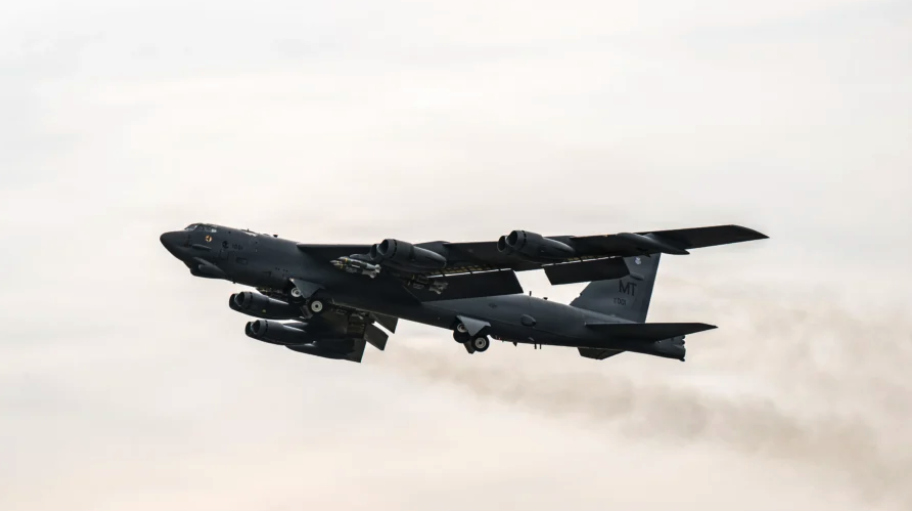
The top U.S. general said Tuesday that B-52 bombers are now flying over Iranian airspace, marking a new phase in the conflict that has continued for more than a month.
Gen. Dan Caine, chairman of the Joint Chiefs of Staff, announced during a Pentagon news conference that B-52 Stratofortress bombers have entered Iranian airspace for the first time since the conflict began in late February.
“Given the increase in air superiority, we’ve successfully started to conduct the first overland B-52 missions, which allow us, as we’ve said before, to continue to get on top of the enemy,” Caine said, speaking alongside Department of War Secretary Pete Hegseth.
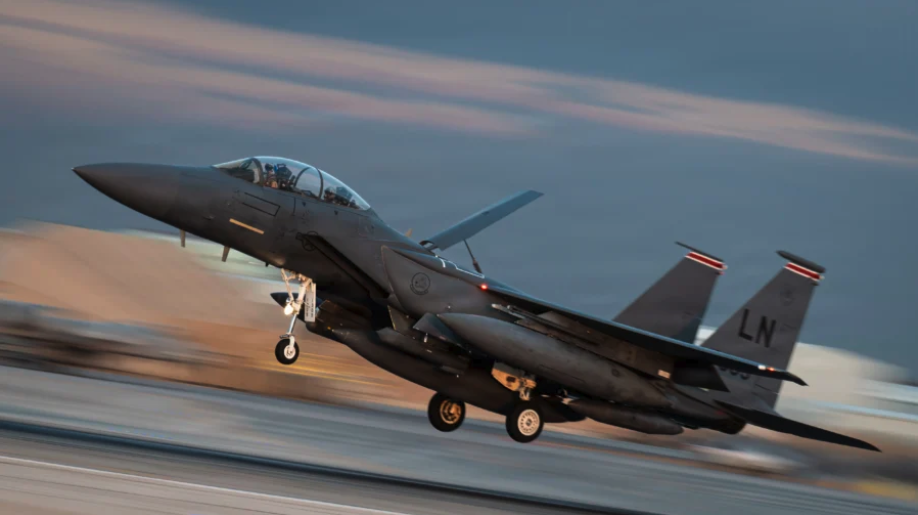
The United States had previously deployed B-1 Lancer and B-2 Spirit bombers in operations over Iran. The B-52, a 70-year-old aircraft, does not possess the same level of stealth or speed as the other bombers in the U.S. arsenal.
“We continue to assert dominance over the Iranian navy,” Caine added. “We remain focused on targeting their mine-laying capability, their naval assets, and we’ve now, as I mentioned briefly last time, started to work attack helicopters and other close-air support assets into the naval domain.”
In a separate update, U.S. Central Command chief Adm. Brad Cooper said Iran’s navy and air force have been severely degraded, with U.S. forces largely destroying the country’s missile-launching capabilities.
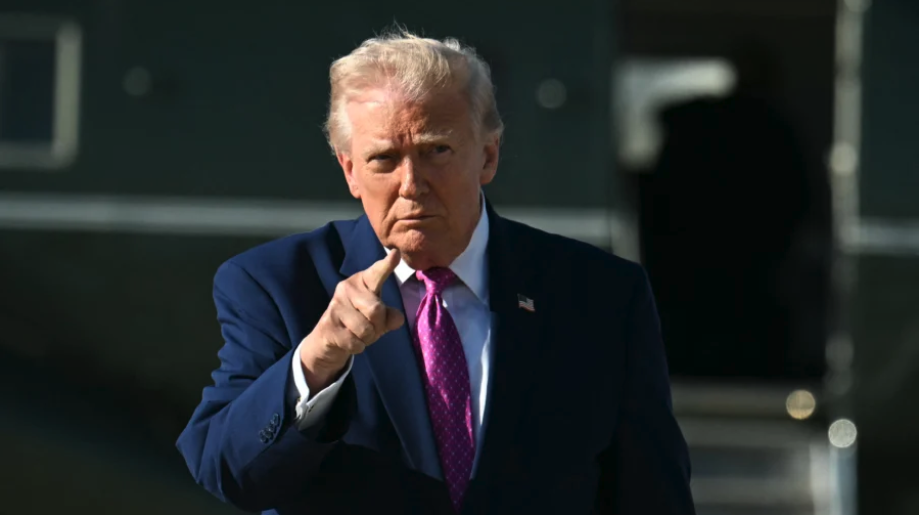
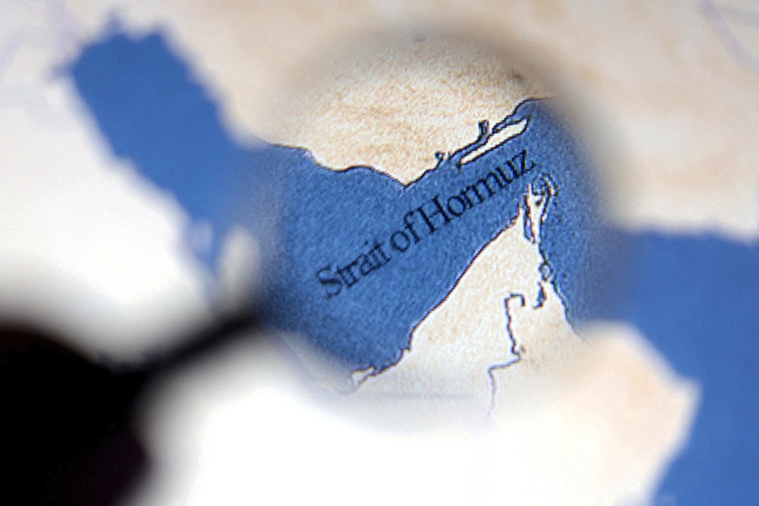
Earlier in the week, President Donald Trump warned that if a cease-fire is not reached soon and the Strait of Hormuz is not reopened, the United States would expand its offensive, including potential strikes on the Kharg Island oil export hub and possibly desalination facilities.
However, a post by Trump on Truth Social on Monday suggested that negotiations between Washington and Tehran were making progress, describing the Iranian officials involved as “more reasonable.”
At the outset of the conflict on Feb. 28, U.S. and Israeli strikes killed Iran’s top leader, Ali Khamenei. His son, Mojtaba Khamenei, was named as successor but has not appeared publicly.
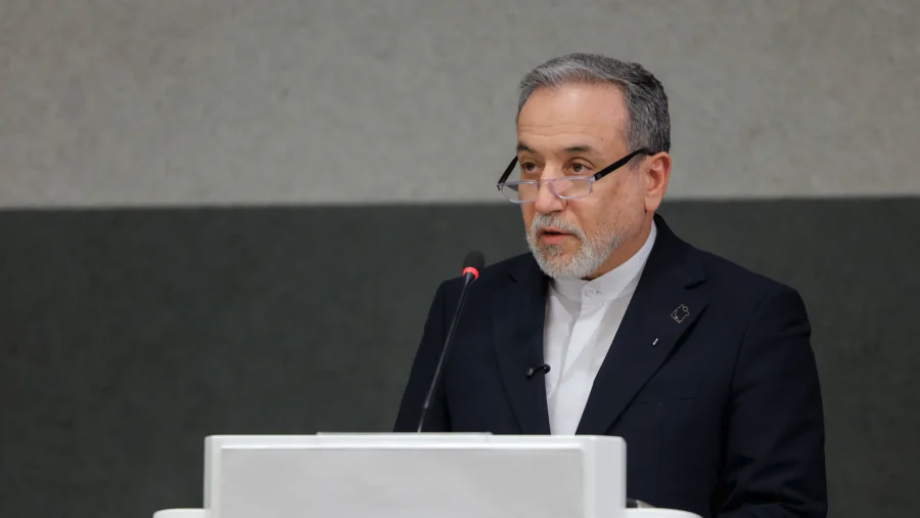
Trump also told the New York Post that the United States is in communication with Iran’s parliamentary speaker, who later appeared to deny in a social media post that any direct talks were taking place. Other Iranian officials have similarly denied negotiations, while Secretary of State Marco Rubio indicated in an interview that the lack of clarity may stem from fragmentation within Iran’s leadership following the strikes.
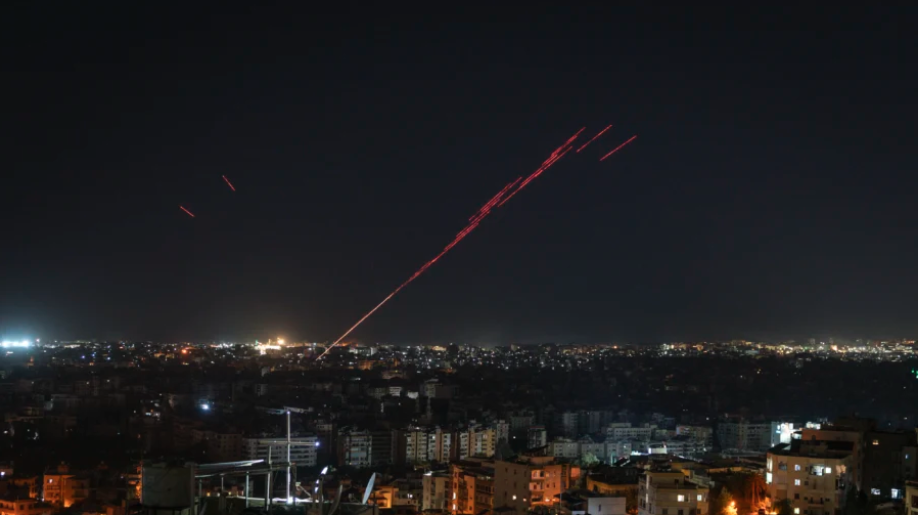
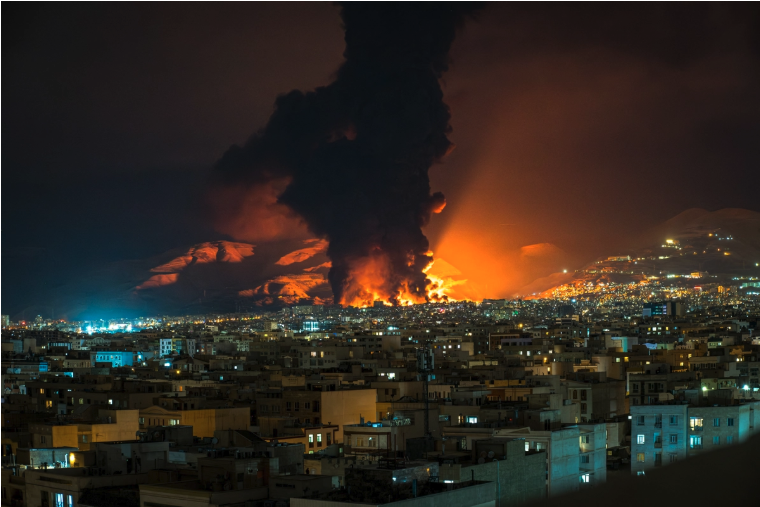
The developments come as U.S. and Israeli forces launched a new wave of strikes, hitting Tehran in the early morning hours. Iranian military officials, speaking through state media, said they had carried out additional attacks on Israeli and U.S. assets in the region.
In another Truth Social post on Tuesday, Trump expressed frustration with allies who have not increased support for the U.S. war effort, telling them to “go get your own oil.”
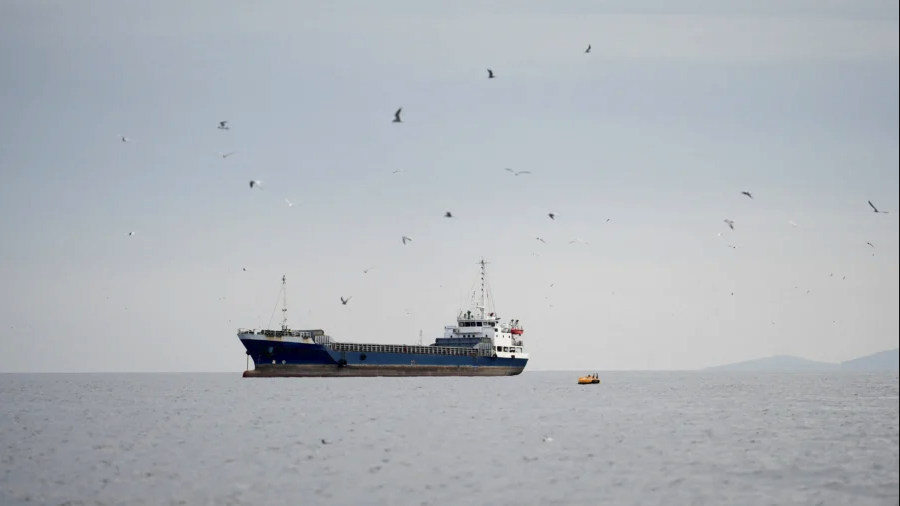
He noted that countries such as the United Kingdom and France benefit directly from oil shipments through the Strait of Hormuz, which Iran has effectively shut down throughout March.