






One crew member recovered while search continues for another amid rising tensions and looming deadline for a U.S.–Iran agreement
Search-and-rescue operations were underway in southern Iran on April 3 after an American fighter jet was shot down over Iranian airspace, with one crew member rescued and another still missing, senior Israeli security officials confirmed to Epoch Magazine Israel.
According to the officials, the United States dispatched search teams to the crash site, successfully recovering one crew member while continuing efforts to locate the second.
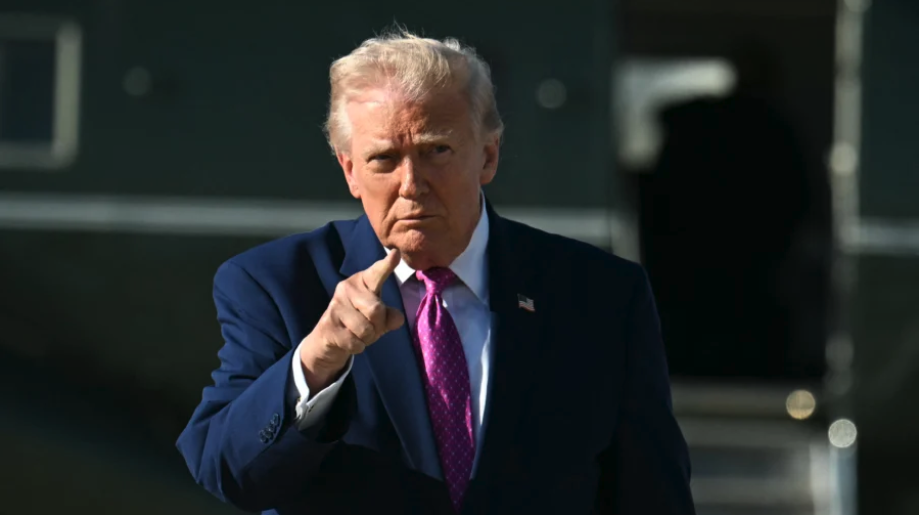
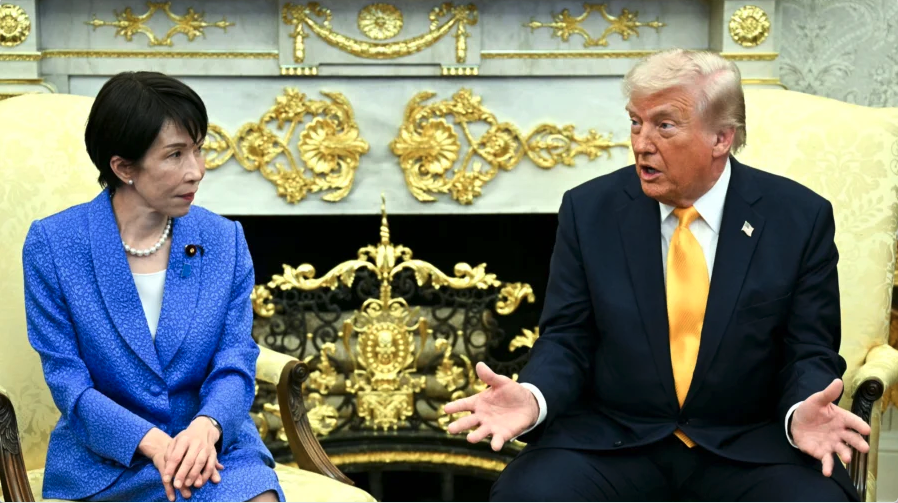
President Donald Trump has been briefed on the incident, White House press secretary Karoline Leavitt told The Epoch Times.
Trump declined to discuss the ongoing rescue mission in an April 3 interview with NBC News, stating that the incident would not affect negotiations with Tehran.
“Not at all, no. It’s war. We’re in war,” he said.
The development follows a claim by Iran’s Islamic Revolutionary Guard Corps (IRGC) that it shot down a U.S. fighter jet over Iranian territory. State-affiliated media reported that crew members may have ejected and landed داخل the country.
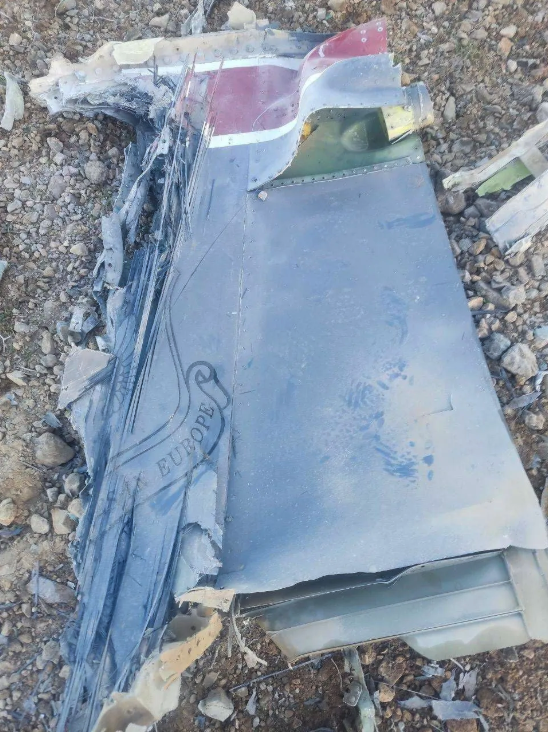
The semi-official Tasnim News Agency, citing an IRGC statement, identified the aircraft as an F-35 and released images purportedly showing wreckage. The outlet added that the pilot’s fate remains unknown and reported that U.S. forces were conducting search operations using Black Hawk helicopters and a C-130 Hercules aircraft.
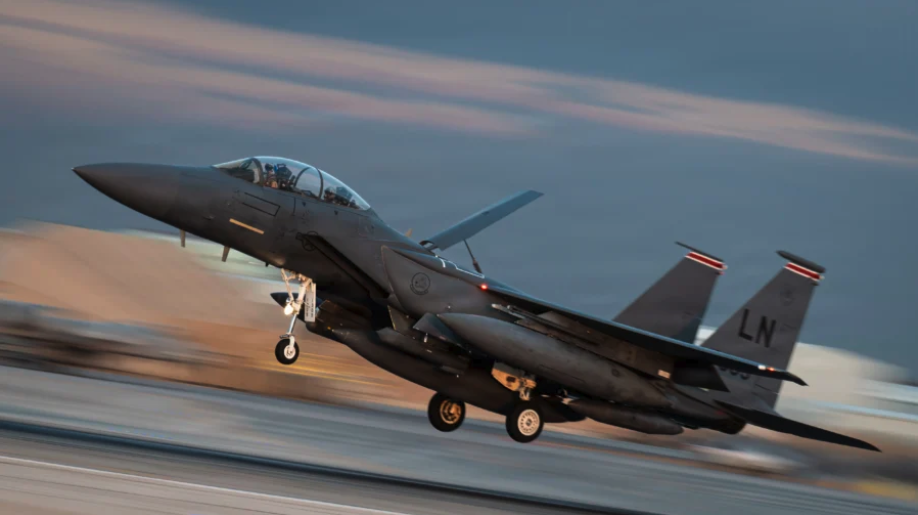
The exact type of aircraft remains unconfirmed. Some reports suggest it may have been an F-15 rather than the F-35 cited by the IRGC. While the F-35 is operated by a single pilot, F-15 variants such as the Strike Eagle carry two crew members—a pilot and a weapons officer.
William Goodhind, a forensic imagery analyst with Contested Ground, said images of the aircraft’s tail fin circulating on social media are consistent with an F-15E Strike Eagle, a two-seat variant.
This assessment aligns with reports indicating two crew members were onboard, a configuration inconsistent with the single-seat F-35.
Local television in the crash area, citing Islamic Republic of Iran Broadcasting, called on tribesmen and militia members to target U.S. personnel if found.
Separately, the governor of Kohgiluyeh and Boyer-Ahmad province said anyone who captured or killed the crew would be “specially commended,” according to the semi-official Iranian Students News Agency (ISNA).
The IRGC claimed the aircraft had been deployed from RAF Lakenheath, home to the 48th Fighter Wing of U.S. Air Forces in Europe.
United States Central Command (CENTCOM) has not issued any public statement regarding the incident. In previous instances during the conflict, CENTCOM has denied similar Iranian claims, stating all U.S. aircraft were accounted for.
The Epoch Times has requested additional information from CENTCOM and the White House.
Escalation Risks Rise as Deadline Nears
The incident comes as tensions escalate ahead of an April 6 deadline set by Trump for Iran to agree to a peace deal, with little progress reported in ongoing talks.
Senior Israeli officials told Epoch Magazine Israel that indirect communications between Washington and Tehran—conducted through Pakistan’s army chief—have not produced a breakthrough. Without an agreement, Trump may order a significant escalation in military operations.
In recent days, Trump has intensified warnings, threatening to expand strikes on Iran’s infrastructure.
“Our Military ... hasn’t even started destroying what’s left in Iran. Bridges next, then Electric Power Plants!” Trump wrote in an April 3 post on Truth Social.
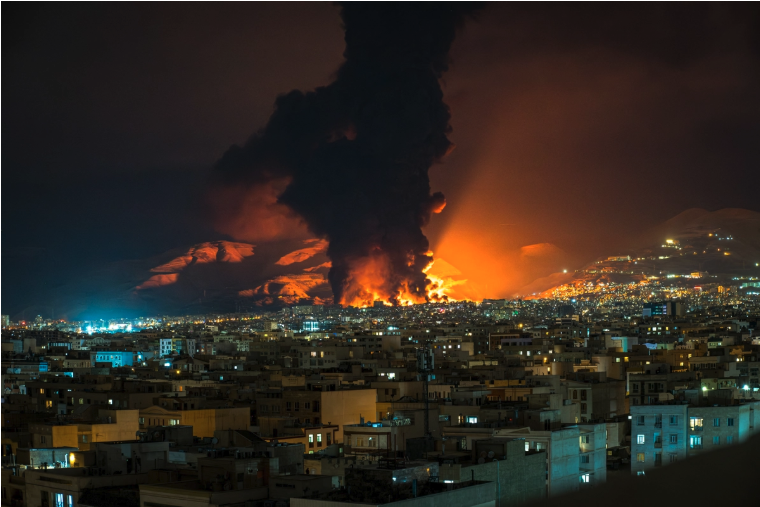
The warning followed a U.S. strike on a major bridge near Tehran, identified by a U.S. official as the B1 Bridge linking the capital to Karaj, a critical route believed to support Iran’s missile and drone supply chains.
Trump later shared footage of the strike, signaling the potential for further attacks.
“The biggest bridge in Iran comes tumbling down, never to be used again—Much more to follow!” he wrote. “It is time for Iran to make a deal before it is too late.”
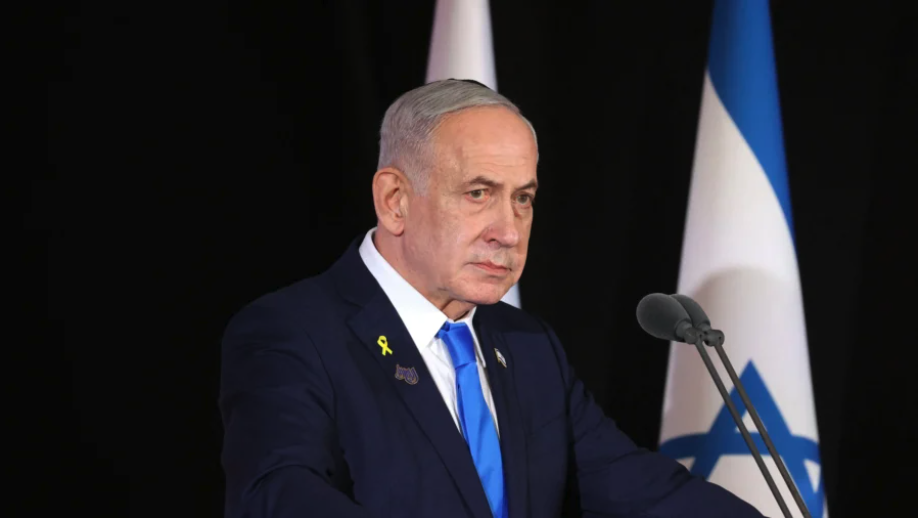
Israeli Prime Minister Benjamin Netanyahu said on April 3 that Israeli operations are being conducted in close coordination with Washington and have significantly weakened Iran’s industrial capacity.
“In full coordination between myself and President Trump, between the IDF and the United States Army, we will continue to crush Iran. This regime is weaker than ever,” Netanyahu said, adding that recent strikes had destroyed a substantial portion of Iran’s steel production capacity, limiting the IRGC’s ability to finance and manufacture weapons.
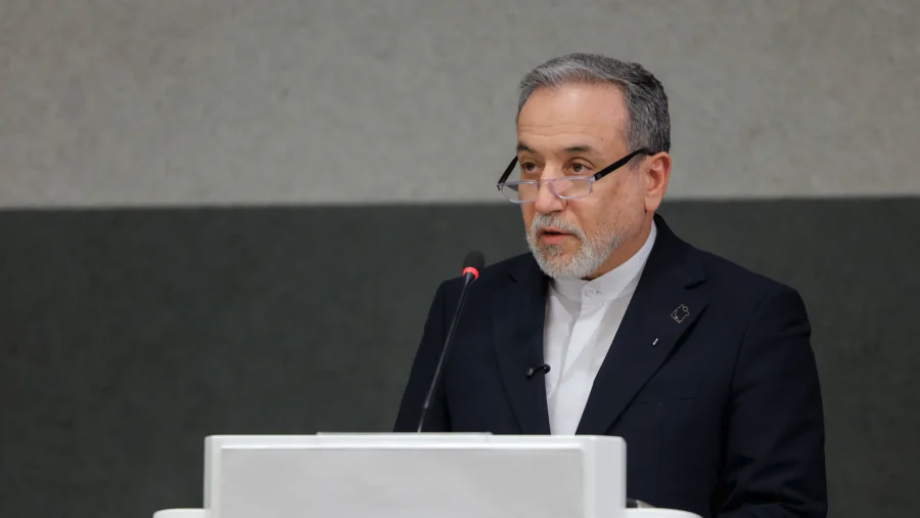
Iranian Foreign Minister Abbas Araghchi condemned the strikes as attacks on civilian infrastructure and rejected their effectiveness.
“Every bridge and building will be built back stronger,” Araghchi wrote in an April 2 post on X.
“What will never recover: damage to America’s standing,” he added.
Iranian state media reported civilian casualties from recent strikes, while the World Health Organization said on April 2 that multiple medical facilities had been damaged, including a medical research center and a pharmaceutical company.
According to CENTCOM, 13 U.S. service members have been killed and more than 300 wounded in the conflict so far. No U.S. troops have been reported captured by Iran.