


Trump signals possible breakthrough within days while blockade, nuclear disputes, and regional conflicts continue to complicate fragile ceasefire efforts
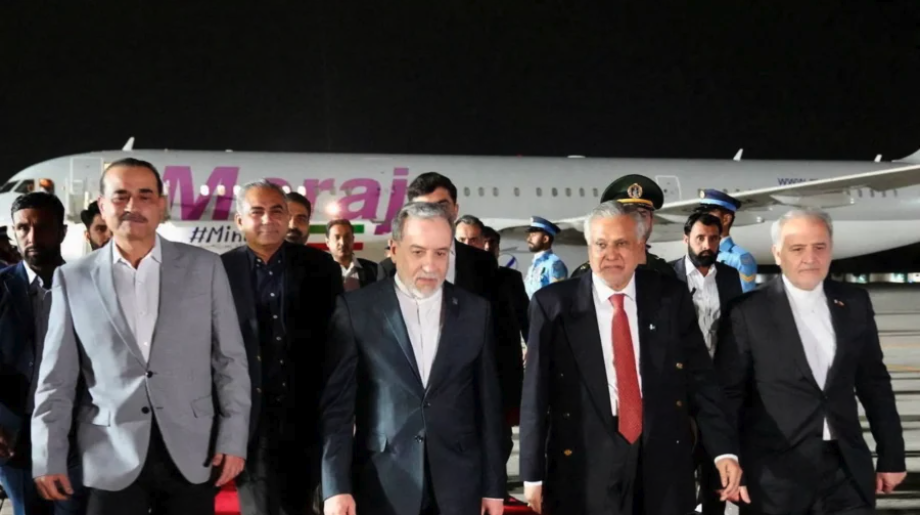
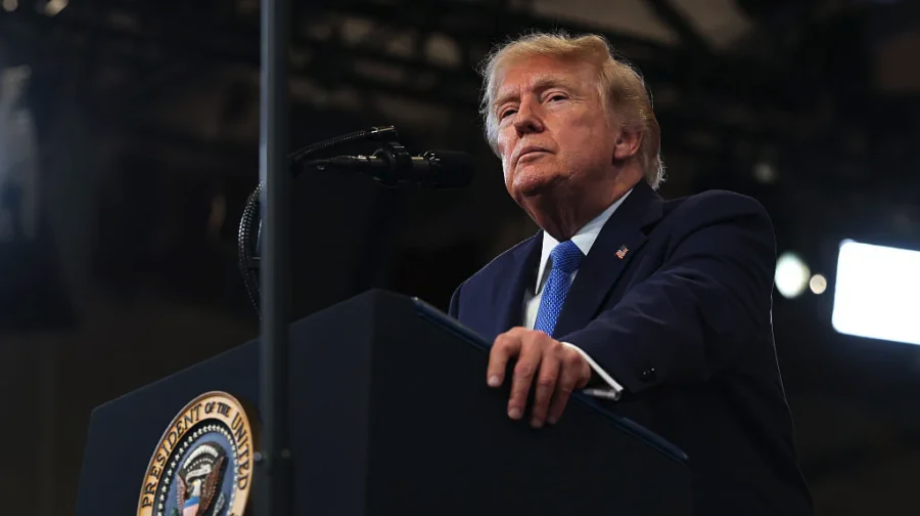
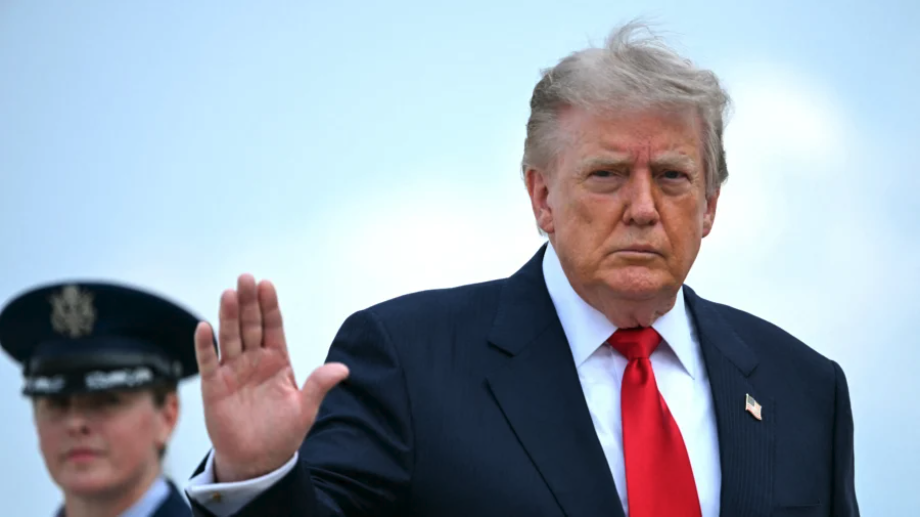
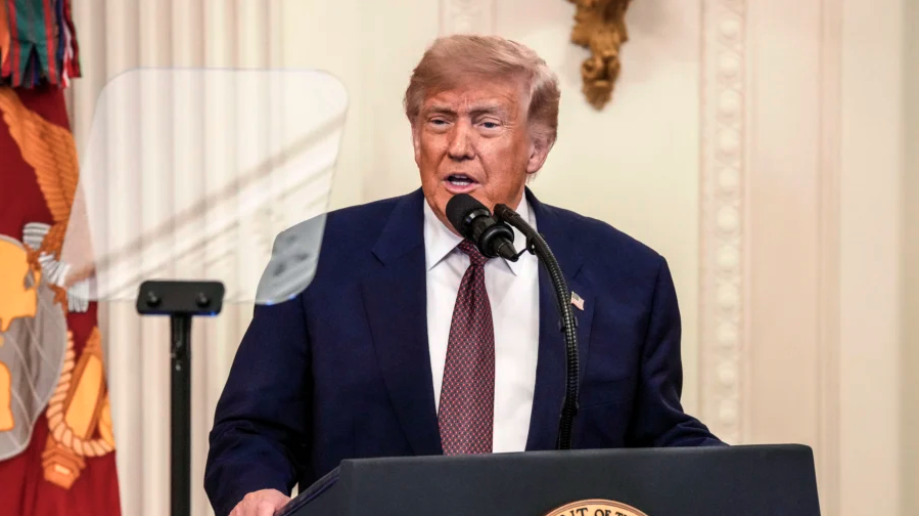
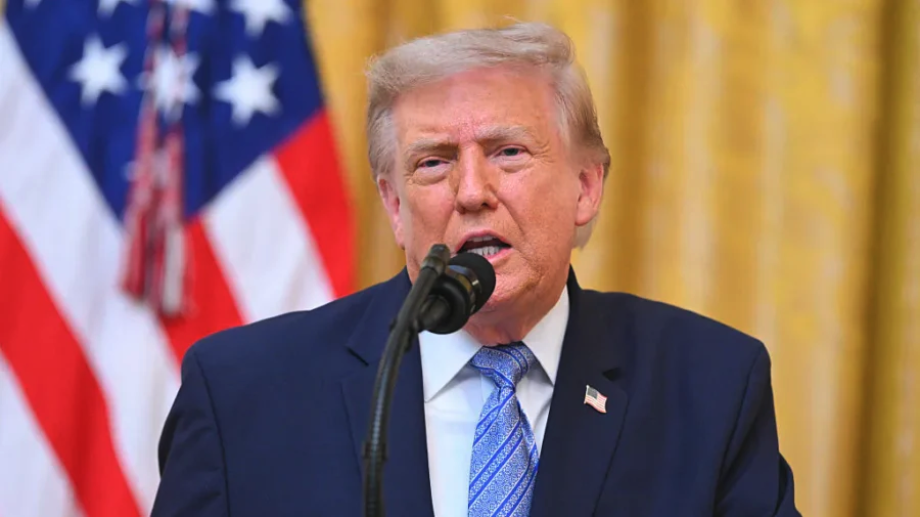
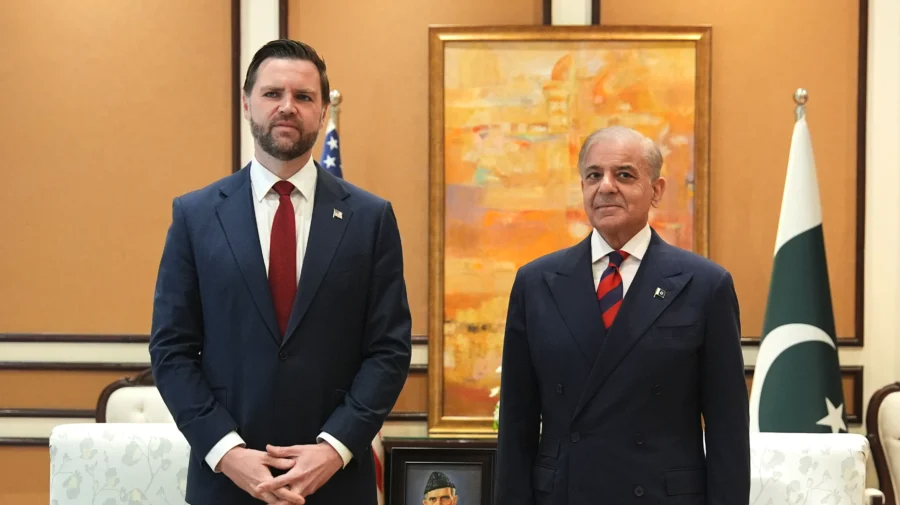
ISLAMABAD/WASHINGTON/DUBAI—Talks to end the Iran war could resume in Pakistan over the next two days, President Donald Trump said Tuesday, after negotiations over the weekend concluded without an agreement.
“You should stay there, really, because something could be happening over the next two days, and we’re more inclined to go there,” Trump was quoted as saying in an interview with the The New York Post.
Iran has effectively shut the Strait of Hormuz, a critical global route for oil and gas transport, since the war began on Feb. 28. Approximately 5,000 people have been killed in the conflict.
The United States imposed a blockade on Iranian ports after talks in Islamabad last weekend failed to produce a deal.
Iran’s nuclear ambitions remain a central sticking point.
It remains unclear what form a nuclear agreement between the United States and Iran could take in the short term, given the complexity of the 2015 nuclear deal between Tehran and global powers—an agreement Trump withdrew from in 2018—and the likely requirement for monitoring and verification by the International Atomic Energy Agency.
Iran is also seeking the removal of international sanctions, a step the United States could only commit to with broader international backing.
IMF Cuts Growth Outlook
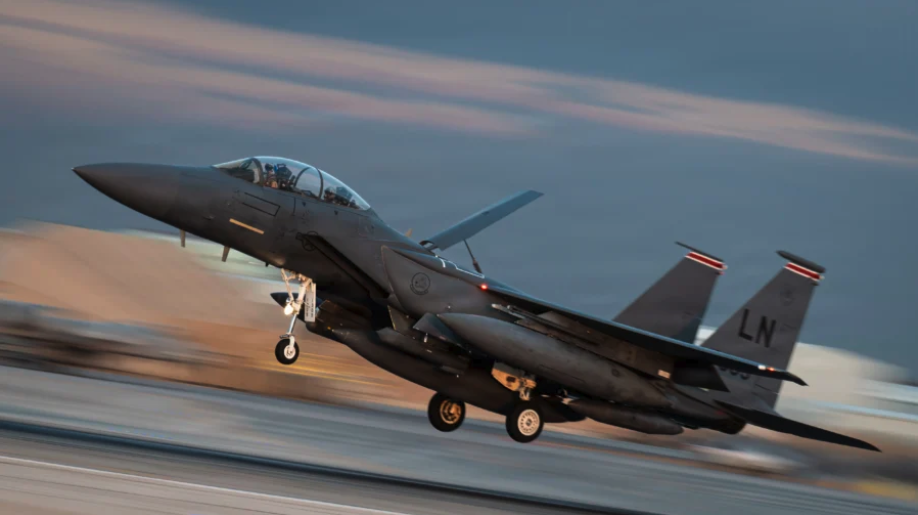
United States Central Command said no ships passed through its blockade of Iranian ports in the first 24 hours after implementation, with six merchant vessels turning back. More than a dozen U.S. warships are involved in the operation, which applies only to vessels traveling to or from Iran.
However, shipping data indicated the blockade had limited impact on traffic through the Strait of Hormuz on Tuesday, with at least eight vessels successfully crossing.
The standoff has further clouded the outlook for global energy security and the supply of petroleum-dependent goods.
The International Monetary Fund cut its global growth forecast, warning that the world economy could approach recession if the conflict intensifies and oil prices remain above $100 per barrel through 2027. Meanwhile, the International Energy Agency reduced its projections for global oil supply and demand growth.
The United States’ NATO allies, including United Kingdom and France, said they would not participate in the blockade, though they have offered support in safeguarding the strait once an agreement is reached.
China, the primary buyer of Iranian oil, described the U.S. blockade as “dangerous and irresponsible,” warning it would escalate tensions. U.S. Treasury Secretary Scott Bessent criticized China for stockpiling oil during the conflict.
Analysts say oil prices are likely to remain elevated for weeks even after the strait reopens, citing backlogs, infrastructure damage, and ongoing uncertainty.
Israel-Lebanon Talks Conclude
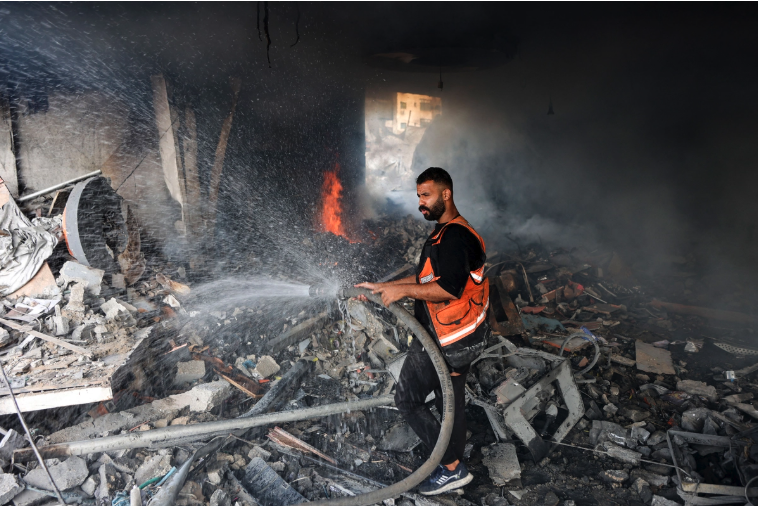
Complicating peace prospects further, Israel has continued targeting Iran-backed Hezbollah forces in Lebanon. Israel and the United States say these operations are not covered by the ceasefire, while Iran maintains they should be.
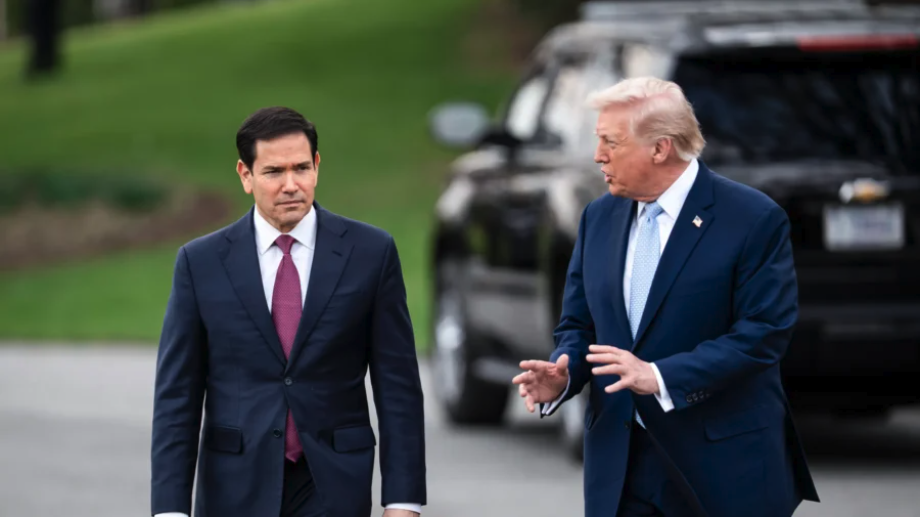
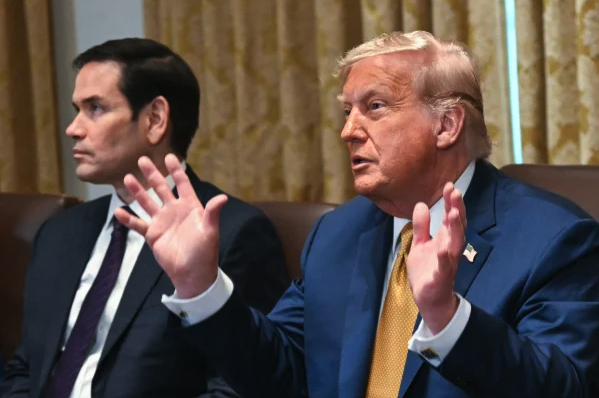
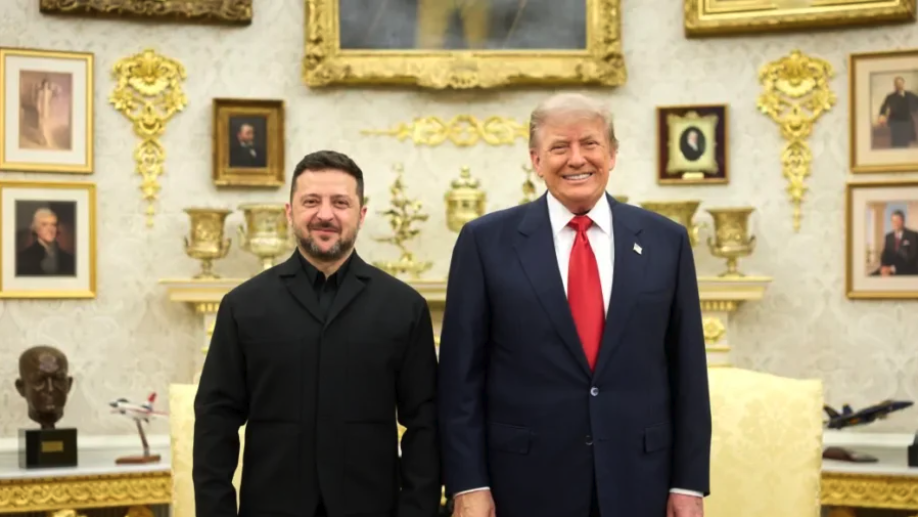
In Washington, U.S. Secretary of State Marco Rubio hosted talks between Israeli and Lebanese envoys—the first direct negotiations between the two countries since 1983. Lebanon is seeking a ceasefire to halt Israeli strikes that have killed more than 2,000 people and displaced 1.2 million, while Israel is pressing Beirut to disarm Hezbollah.
The U.S. State Department said both sides agreed to continue discussions. Israel’s ambassador to the United States expressed optimism that Lebanon’s government aims to curb Hezbollah’s influence, while Lebanon’s ambassador described the meeting as “constructive,” adding that details of the next round would be announced later.
Lebanon pursued the talks despite objections from Hezbollah, which Israel insists must be disarmed before any peace agreement.
Ceasefire Holding
Trump paused the U.S.-Israeli bombing campaign last week after warning he would destroy Iran’s “whole civilization” unless it reopened the strait.
The ceasefire has largely held through its first week.
An Iranian military spokesperson described U.S. restrictions on international shipping as “piracy,” while Trump said Iran’s navy had been “completely obliterated,” leaving only a small number of “fast-attack ships.”
“Warning: If any of these ships come anywhere close to our BLOCKADE, they will be immediately ELIMINATED,” Trump wrote on social media.