


U.S. president criticizes alliance for lack of support during war with Iran as divisions deepen over Strait of Hormuz blockade and future security cooperation
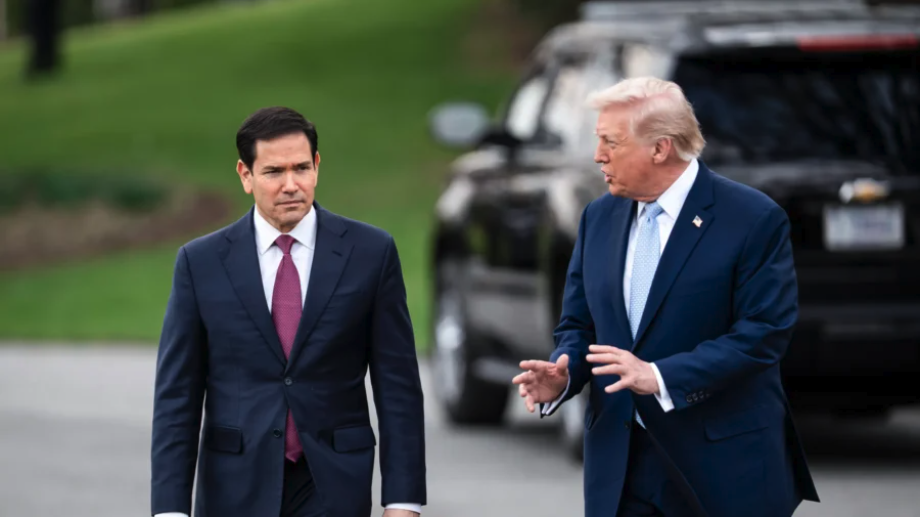
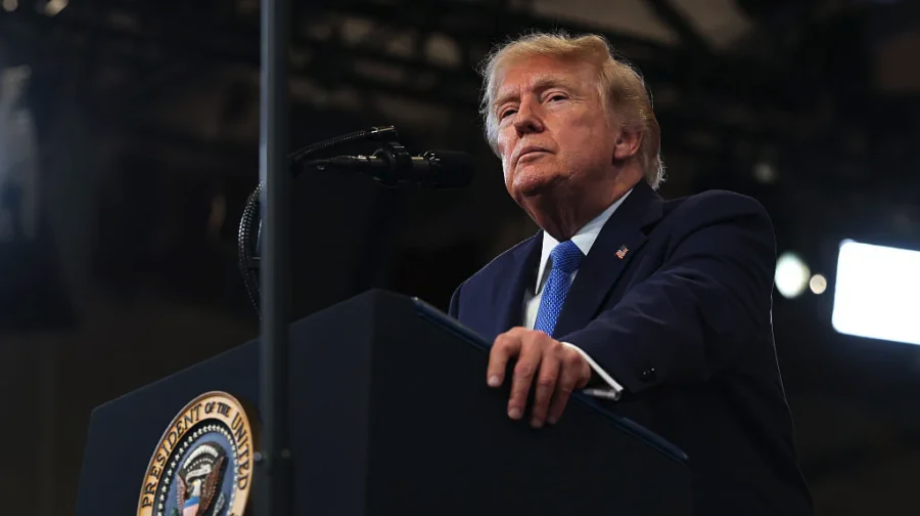
President Donald Trump renewed his warning late on April 12 that NATO could face a “very serious examining” after the alliance did not support the United States during its war with Iran.
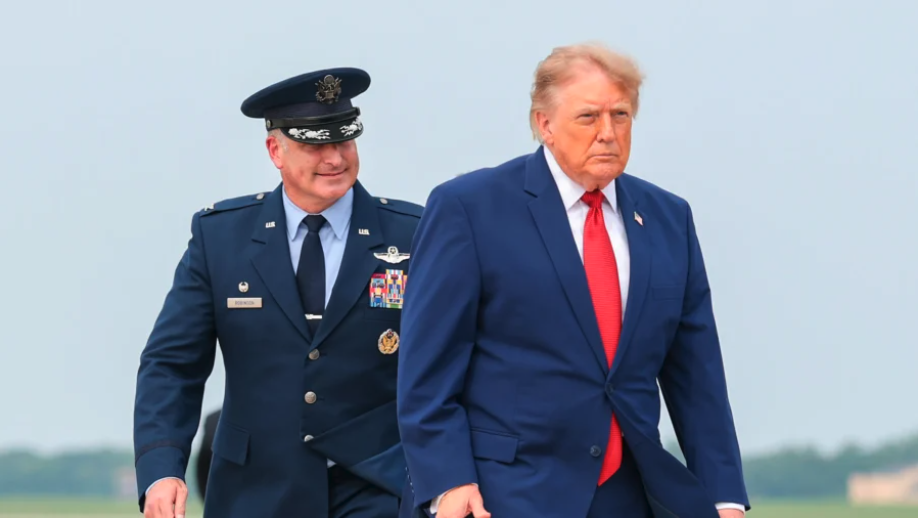
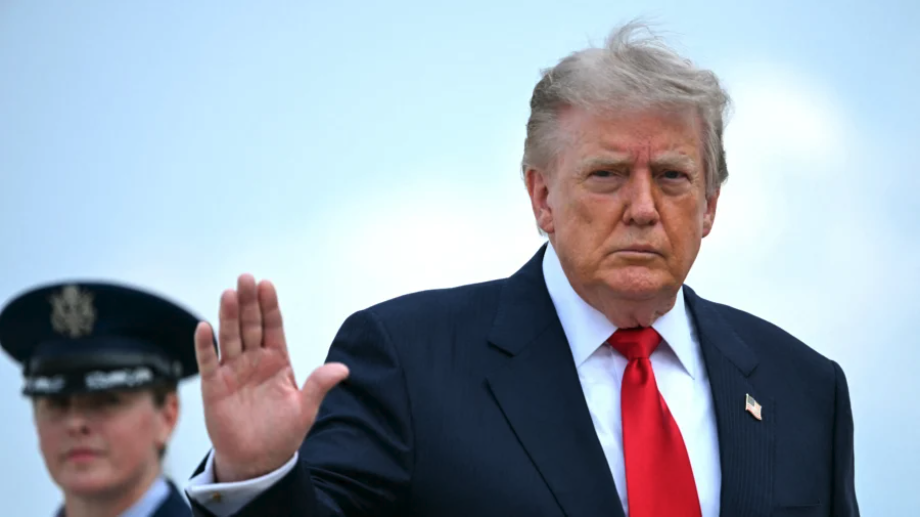
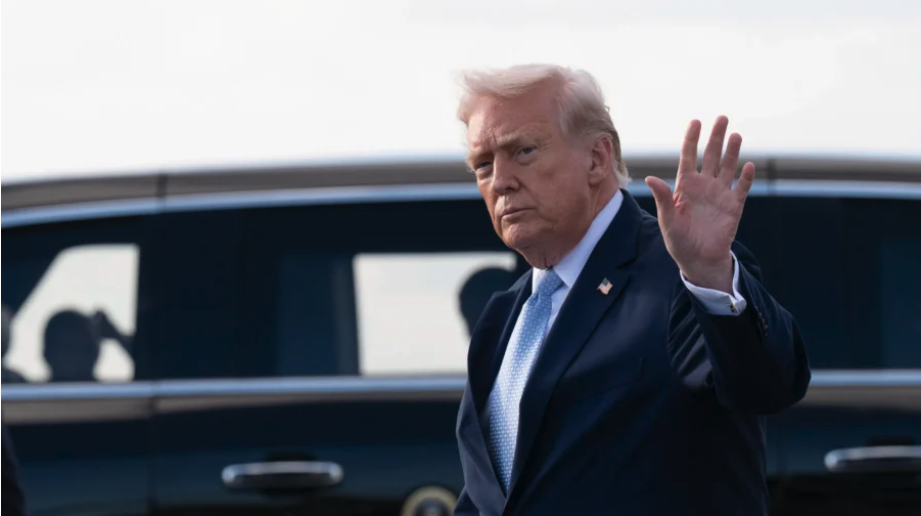
“I’m very disappointed in NATO,” Trump told reporters as he arrived at Joint Base Andrews in Maryland. “They weren’t there for us. We pay trillions of dollars to NATO, and they weren’t there for us.”
Trump, who has long questioned the purpose of the military alliance, added: “Remember what I said. NATO was not there. Now they want to come up, but there’s no real threat anymore. But NATO was not there for us.”
The president said that NATO’s role will “be under very serious examining” following the conflict.
His comments came as the prime minister of the United Kingdom said his country will not get involved in the U.S. blockade of Iranian ports, including in the disputed Strait of Hormuz, that went into effect on the morning of April 13.
Trump said the U.S. military would work with other countries to block all maritime traffic in the waterway, where a fifth of global oil supplies normally pass, after weekend talks failed to reach an agreement to end the six-week conflict with Iran. The U.S. military later specified that the blockade would only apply to ships going to or from Iranian ports.
U.K. Prime Minister Keir Starmer also said the United Kingdom would not be drawn into the conflict by taking part in the blockade, stating instead that efforts were focused on an initiative to reopen the waterway.
“We’re not supporting the blockade,” Starmer told BBC. “My decision has been very clearly that whatever the pressure, and there’s been some considerable pressure, we’re not getting dragged into the war.”
France will set up a conference with the United Kingdom and other countries to create a multinational mission to assist navigation in the strait, French President Emmanuel Macron wrote in a post on X on April 13.
“This strictly defensive mission, separate from the warring parties to the conflict, is intended to be deployed as soon as circumstances permit,” he wrote.
The Strait of Hormuz should be reopened through diplomacy, Turkish Foreign Minister Hakan Fidan said on April 13, adding that forming an international force to oversee it would be complicated. He also called for NATO to reset its ties with Trump at a summit in Ankara in July.
Macron and other NATO leaders have said they would help restart shipping in the Strait of Hormuz until the fighting stops. Last week, Trump announced a two-week ceasefire between Washington and Tehran before later stating that a naval blockade would be initiated after talks between Iran and the United States failed.
Since the start of the war on Feb. 28, Trump has repeatedly criticized NATO for what he described as inaction regarding the Strait of Hormuz, noting that European member states rely heavily on oil transported through the waterway. At one point last week, the president again suggested that the United States should take control of Greenland, a territory of Denmark.
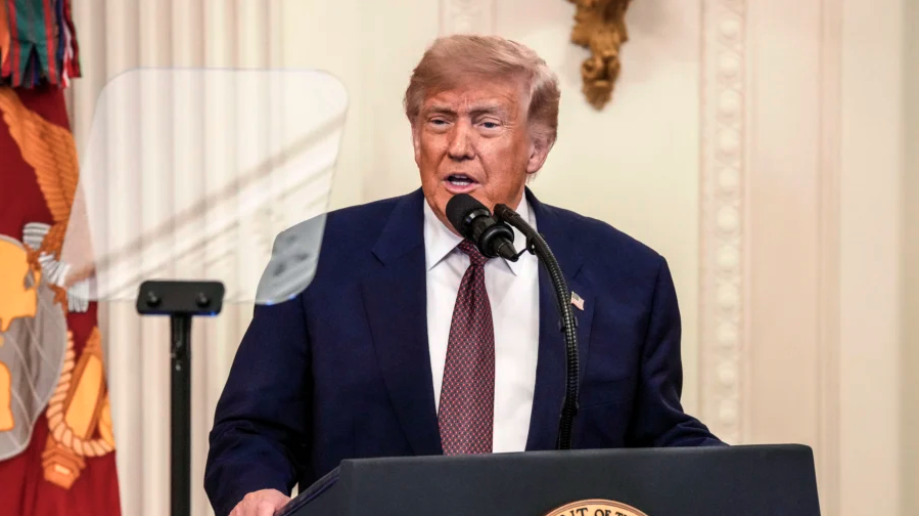
“NATO wasn't there when we needed them, and they won't be there if we need them again. Remember Greenland, that big, poorly run, piece of ice,” Trump wrote in all capital letters on Truth Social on April 8.