


Washington-hosted meeting led by Marco Rubio marks first direct engagement since 1993, with focus extending beyond ceasefire to countering Hezbollah influence
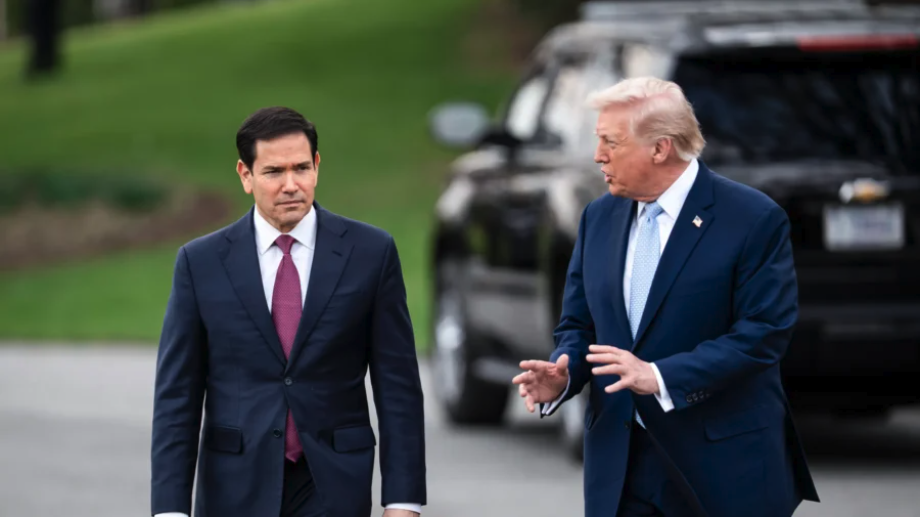
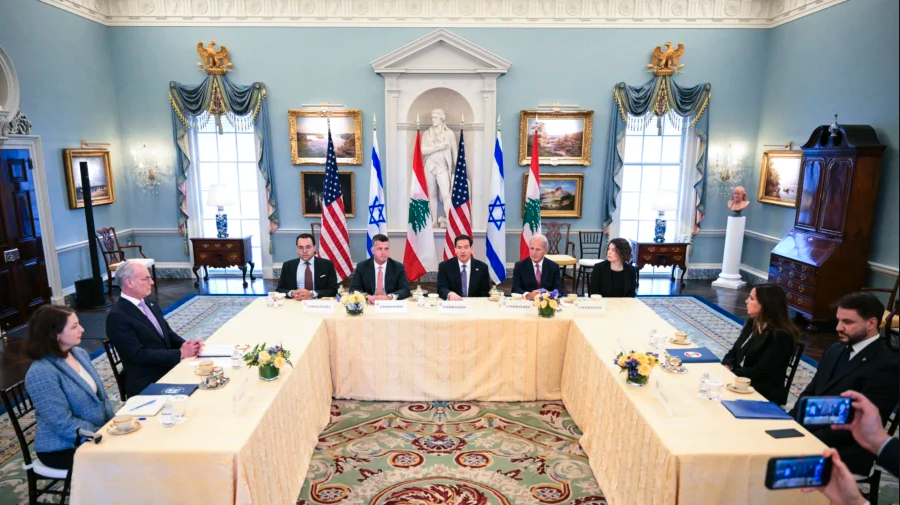
U.S. Secretary of State Marco Rubio hosted the Israeli and Lebanese ambassadors to the United States for direct talks on April 14, as Israeli military operations continued in southern Lebanon. While the discussions were described as constructive, no immediate agreement emerged from the meeting in Washington.
“All sides agreed to launch direct negotiations at a mutually agreed time and venue,” the U.S. State Department said in a statement following the talks.
Rubio emphasized that the discussions were not solely aimed at securing a ceasefire between Israel and Lebanon, but also at reducing the influence of Hezbollah—a designated terrorist organization active within Lebanon. Hezbollah holds sway among the country’s Shia Muslim population and maintains ties with Iran’s Shia leadership.
“This is about bringing a permanent end to 20 or 30 years of Hezbollah’s influence in this part of the world,” Rubio said ahead of the Tuesday meeting.
Israeli forces have maintained a presence in southern Lebanon since October 2024, after crossing the Israel-Lebanon border to target Hezbollah. Although Israel and Lebanon reached a ceasefire in November 2024, Israeli military operations have continued.
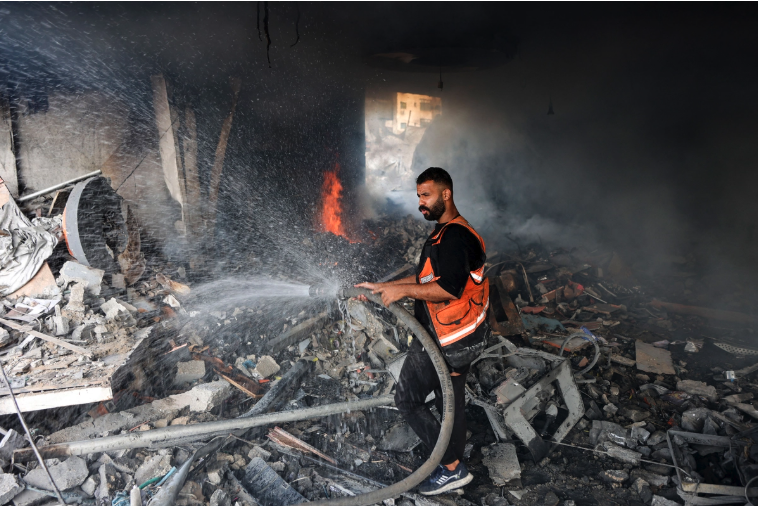
Following the launch of large-scale U.S. and Israeli operations in Iran on Feb. 28, Hezbollah escalated drone and rocket attacks on Israel. In response, Israeli forces intensified airstrikes and ground operations inside Lebanon.
Military activity in Lebanon has persisted even after hostilities involving Iran paused on April 7.
Lebanon’s Health Ministry reports that at least 2,124 people have been killed and around 1 million displaced due to recent Israeli strikes. The Israeli military has stated it will not permit displaced residents to return to southern Lebanon until the area is sufficiently demilitarized.
Tuesday’s meeting—attended by Israeli Ambassador to the United States Yechiel Leiter and Lebanese Ambassador Nada Hamadeh Moawad—marked the first publicly acknowledged direct diplomatic engagement between Israel and Lebanon since 1993.
Acknowledging the historically strained relationship between the two countries, Rubio cautioned that progress would take time.
“This is a process, not an event,” he said. “This is more than just one day.”
The talks concluded after approximately two hours.
According to the State Department, discussions included the possibility of expanding the November 2024 ceasefire into a broader peace agreement. The department also indicated that Lebanon could gain access to reconstruction aid and economic recovery support if talks continue.
Speaking to reporters after the meeting, Leiter expressed optimism, citing shared opposition to Hezbollah. He also praised Lebanese President Joseph Aoun for proceeding with the talks despite pressure from Hezbollah to withdraw.
“This is the beginning of a very strong and fortified, consistent battle against Hezbollah,” Leiter said. “They are weakened as they’ve never been, and together, we’ll continue to rid the threat of this Iranian proxy, which is so malign and so malignant in the region.”
In remarks to Reuters, Moawad described the discussions as constructive. She called for a ceasefire, the return of displaced civilians to their homes, and increased humanitarian support for Lebanon.