


Vice President signals deadlock after marathon negotiations in Pakistan, as disputes over nuclear commitments and Strait of Hormuz deepen uncertainty around two-week truce
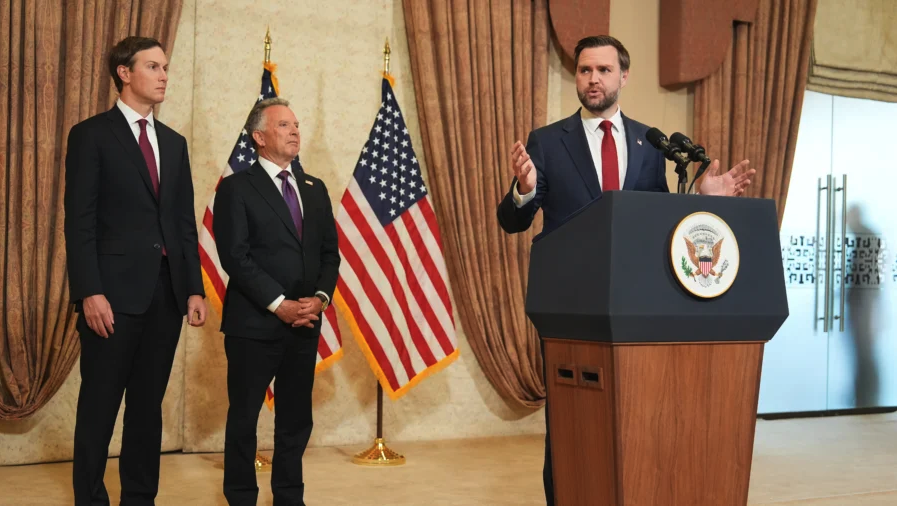
ISLAMABAD — U.S. Vice President JD Vance said Sunday that his negotiating team was departing Pakistan without reaching an agreement with Iran after 21 hours of talks, putting a fragile two-week ceasefire at risk.
“The bad news is that we have not reached an agreement, and I think that's bad news for Iran much more than it's bad news for the United States of America,” Vance told reporters following the переговорations. “So we go back to the United States having not come to an agreement. We've made very clear what our red lines are.”
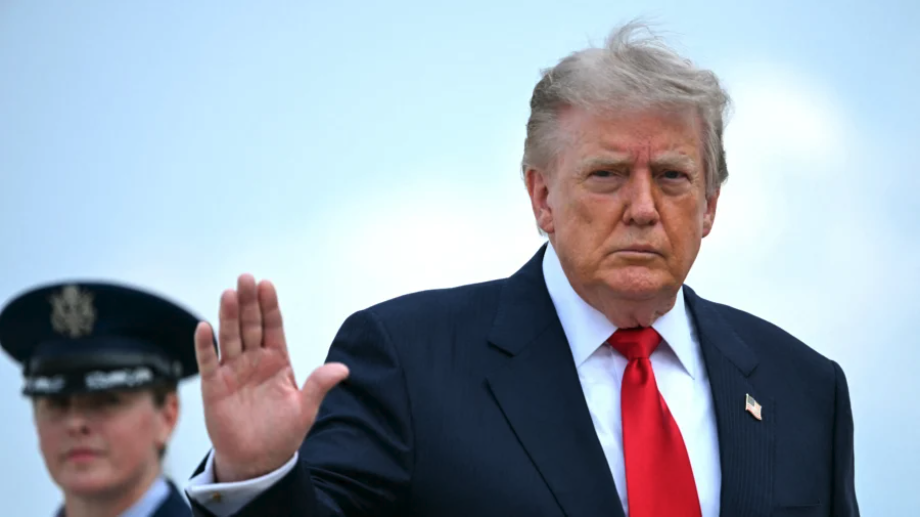
Vance pointed to shortcomings in the discussions, stating that Iran declined to accept U.S. terms, including commitments not to develop nuclear weapons. Shortly afterward, he waved goodbye from the top of the stairs before boarding Air Force Two in Islamabad.
“We need to see an affirmative commitment that they will not seek a nuclear weapon, and they will not seek the tools that would enable them to quickly achieve a nuclear weapon. That is the core goal of the president of the United States, and that's what we've tried to achieve through these negotiations.”
Iran’s semi-official Tasnim news agency reported that “excessive” U.S. demands had hindered progress and that negotiations had concluded. Earlier, Iran’s government said in a post on X that talks would continue, with technical experts from both sides set to exchange documents.
The discussions in Islamabad marked the first direct U.S.-Iran meeting in more than a decade and the highest-level engagement since the 1979 Islamic Revolution.
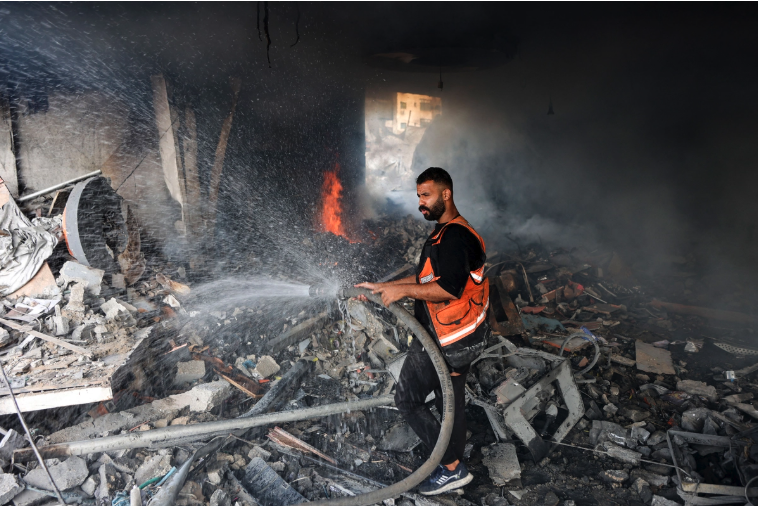
In his brief press conference, Vance did not address reopening the Strait of Hormuz, a critical chokepoint for roughly 20 percent of global energy supplies that Iran has blocked since the conflict began. The war has driven global oil prices higher and resulted in thousands of deaths.
Vance’s delegation included special envoy Steve Witkoff and Jared Kushner, son-in-law of President Donald Trump. Vance said he spoke with Trump between six and twelve times during the negotiations.
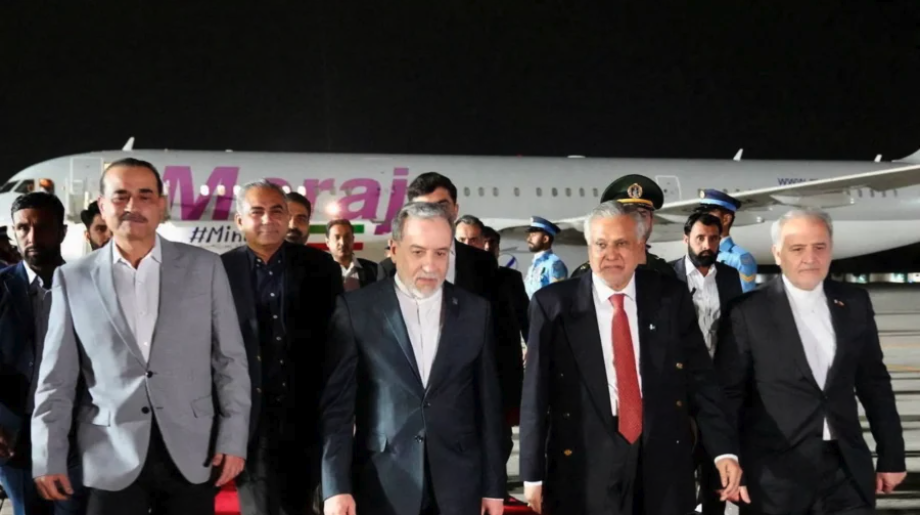
Iran’s delegation featured Parliamentary Speaker Mohammad Baqer Qalibaf and Foreign Minister Abbas Araqchi.
During the talks, Islamabad, a city of more than two million people, was placed under tight security, with thousands of paramilitary personnel and army troops deployed across the the capital.
Pakistan’s role as mediator represents a notable shift for a country that was diplomatically isolated just a year ago.
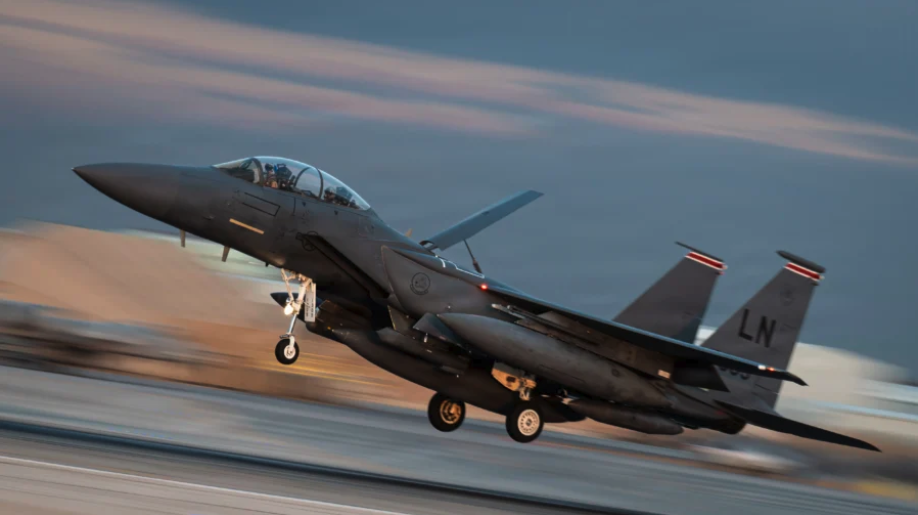
As negotiations began, the U.S. military said it was “setting the conditions” to clear the Strait of Hormuz. Officials stated that two U.S. warships had passed through the strait and preparations were underway to remove mines, while Iranian state media denied that any U.S. vessels had transited the waterway.
According to Iranian state television and officials, Tehran is seeking the release of overseas assets, control over the Strait of Hormuz, war reparations, and a broader regional ceasefire that includes Lebanon. Iran also wants to collect transit fees from ships passing through the strait.
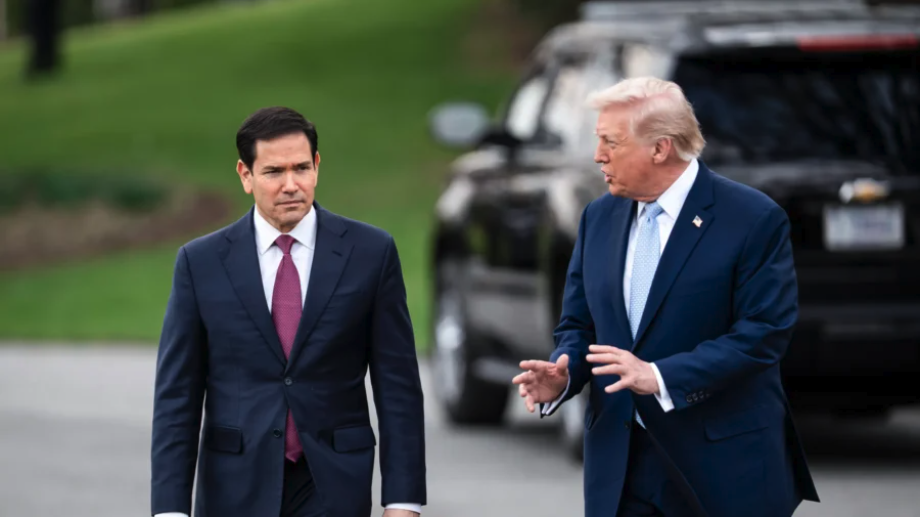
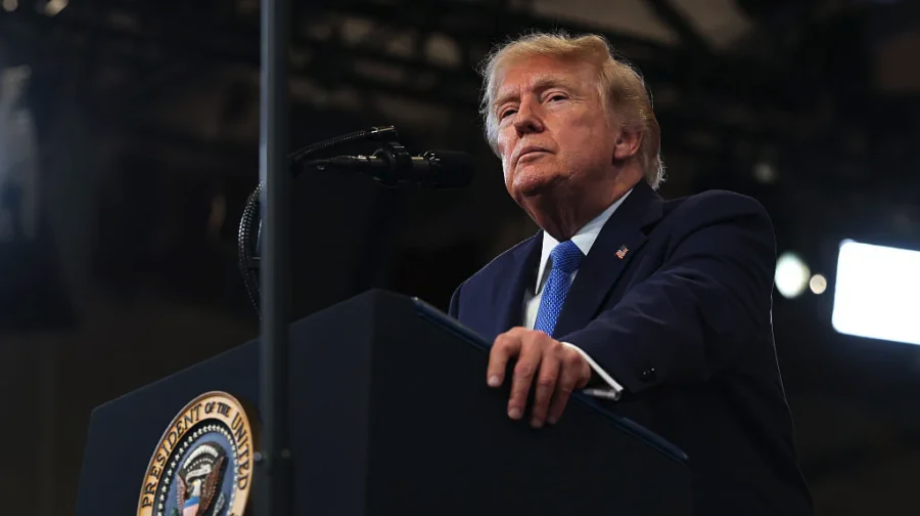
President Trump’s objectives have evolved, but at minimum include ensuring free passage for global shipping through the strait and dismantling Iran’s nuclear enrichment capabilities to prevent the development of an atomic bomb.
U.S. ally Israel, which joined the Feb. 28 attacks that triggered the conflict, has continued strikes against Tehran-backed Hezbollah forces in Lebanon, stating that this front is not part of the Iran-U.S. ceasefire.
Mutual distrust remains high. The ceasefire, brokered by Pakistan and announced on April 7, is still in effect but under increasing strain.