


High-level negotiations led by JD Vance test truce durability as disputes over nuclear ambitions, Strait of Hormuz control, and Middle East tensions cast uncertainty over potential breakthrough
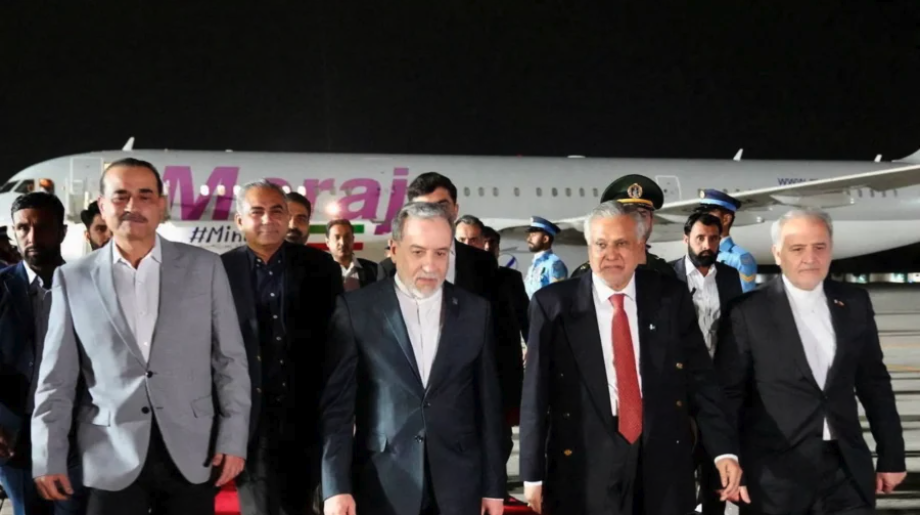
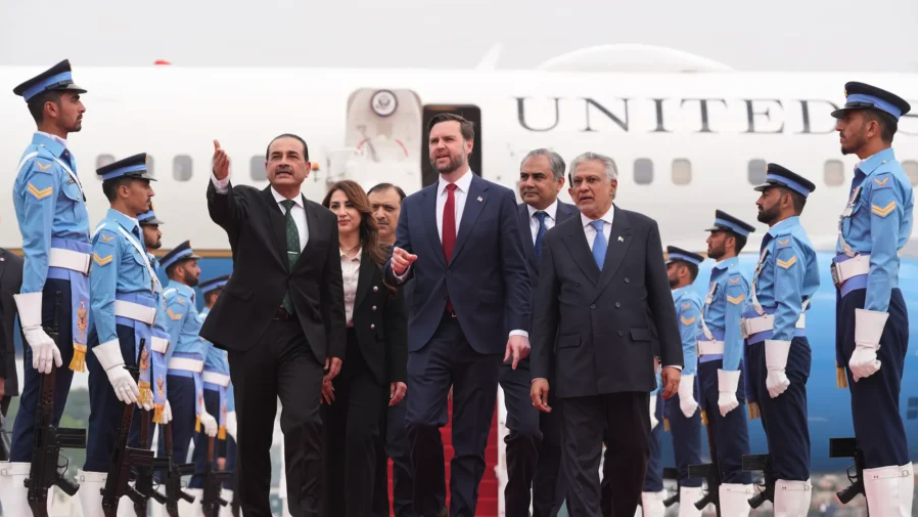
A U.S. delegation led by Vice President JD Vance arrived in Pakistan on April 11 for high-level talks with Iranian representatives, marking the first such engagement since the war began more than a month ago and testing whether a fragile ceasefire can hold.
Vance landed in Islamabad aboard Air Force Two alongside special envoy Steve Witkoff and adviser Jared Kushner, joining Iranian officials led by Parliament Speaker Mohammad Bagher Ghalibaf.
The talks, mediated by Pakistan, are expected to begin later in the day following separate meetings with Prime Minister Shehbaz Sharif, after initial plans for a morning start were delayed, according to Iran’s semi-official Mehr News Agency.
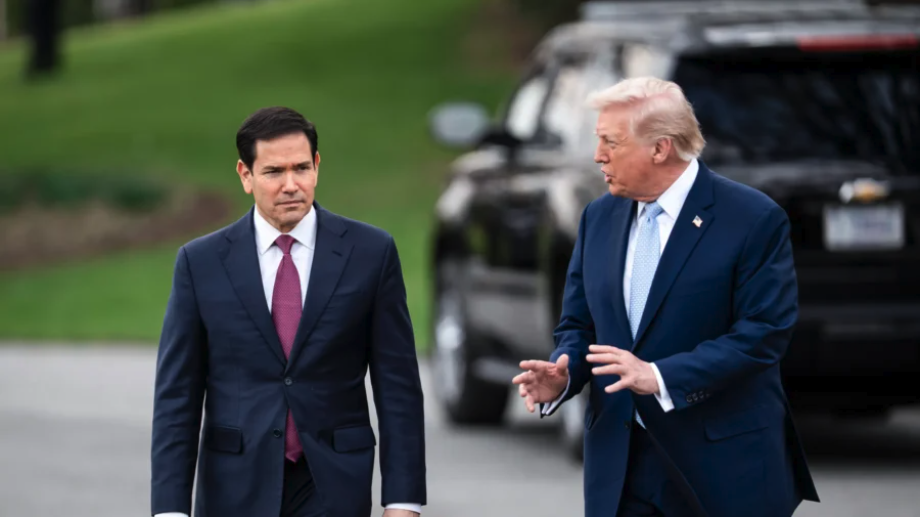
Before departing Washington, Vance said he expected that the outcome was “going to be positive” but warned Tehran against negotiating in bad faith. “If they’re going to try and play us, then they’re going to find that the negotiating team is not that receptive,” he said.
Preconditions and Regional Tensions Cloud Talks
The negotiations have faced hurdles, including Iran insisting on conditions tied to the broader regional conflict.
Ghalibaf said in a social media post late Friday that discussions would only proceed if Israel halts its military operations against Hezbollah in Lebanon and if Iranian assets frozen abroad are released. Officials at Iran’s embassy in South Africa later suggested those preconditions may have been accepted, though details remain unclear.
Washington and Israel have maintained that Lebanon is separate from the current truce, though recent diplomatic moves suggest efforts to contain the spillover.
Israeli Prime Minister Benjamin Netanyahu said April 9 that he wants to begin peace talks with Lebanon “as soon as possible” and that he instructed his cabinet to start “direct negotiations” with Beirut that would focus on disarming Hezbollah and establishing peaceful relations between the two neighboring countries.
Lebanon’s presidency said Friday the United States has agreed to act as a mediator between Lebanon and Israel, with a meeting set to take place in Washington next Tuesday to pursue a ceasefire as part of direct talks.
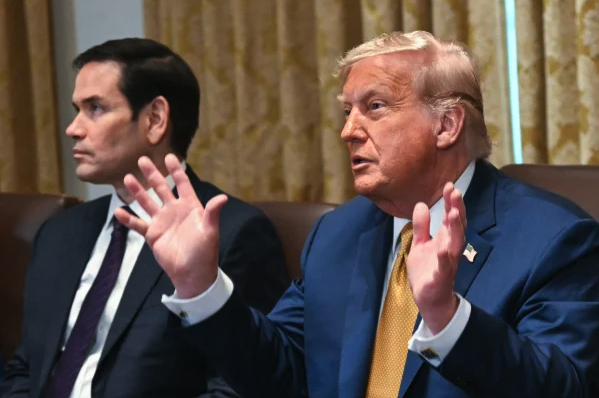
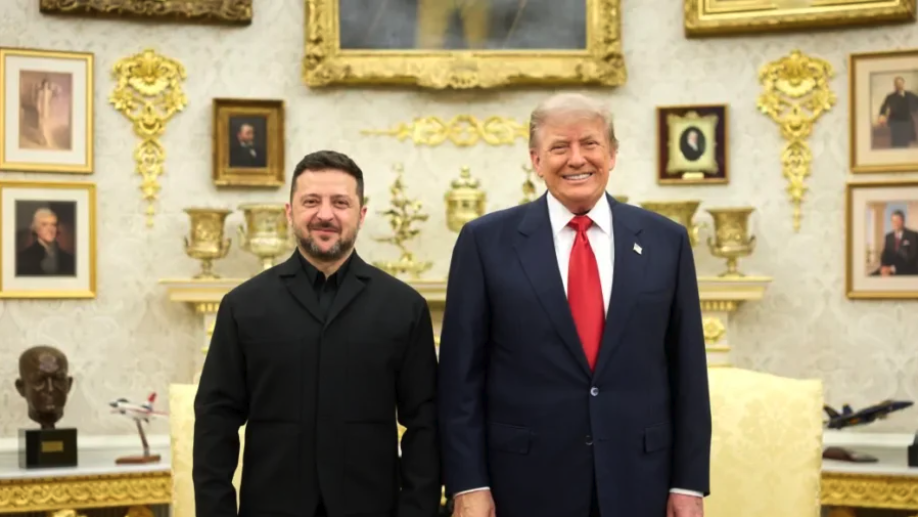
President Donald Trump has also signaled a possible de-escalation, saying Netanyahu had agreed to “take a step back on the Lebanon issue,” according to comments Trump made to an Israeli journalist.
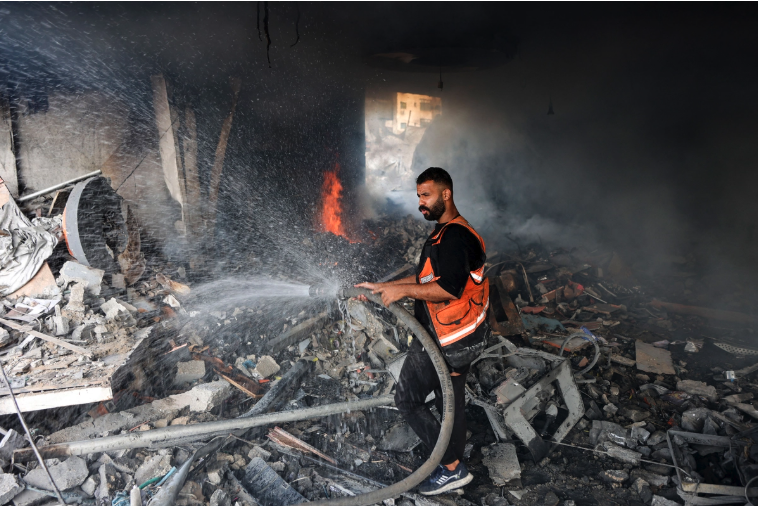
Still, continued Israeli strikes—including recent attacks targeting Hezbollah infrastructure—highlight the fragility of the situation and the risk that the Lebanon front could derail broader U.S.–Iran negotiations before they gain traction.
Nuclear Program, Hormuz Central to Negotiations
While the United States has put forward a 15-point peace proposal and Iran has countered with its own 10-point plan, three core issues have dominated the headlines in the run-up to the talks: Iran’s nuclear program, control of the Strait of Hormuz, and the scope of the ceasefire.
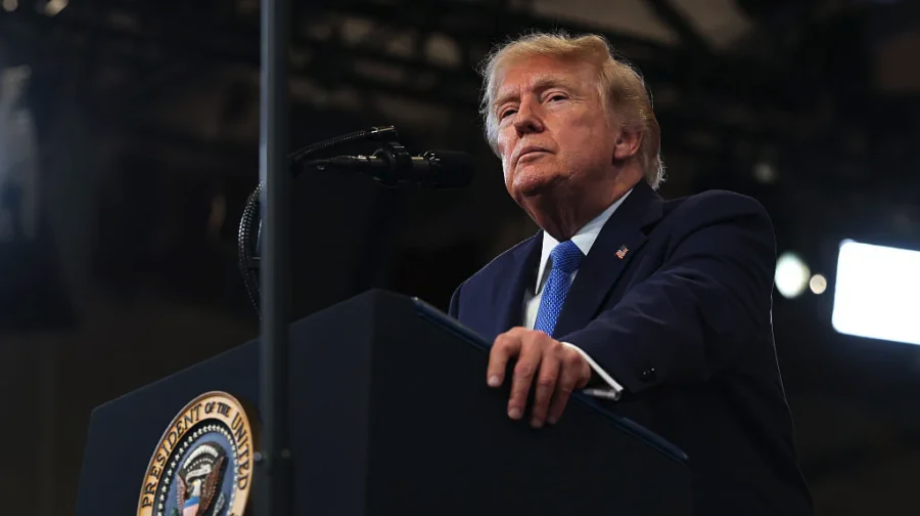
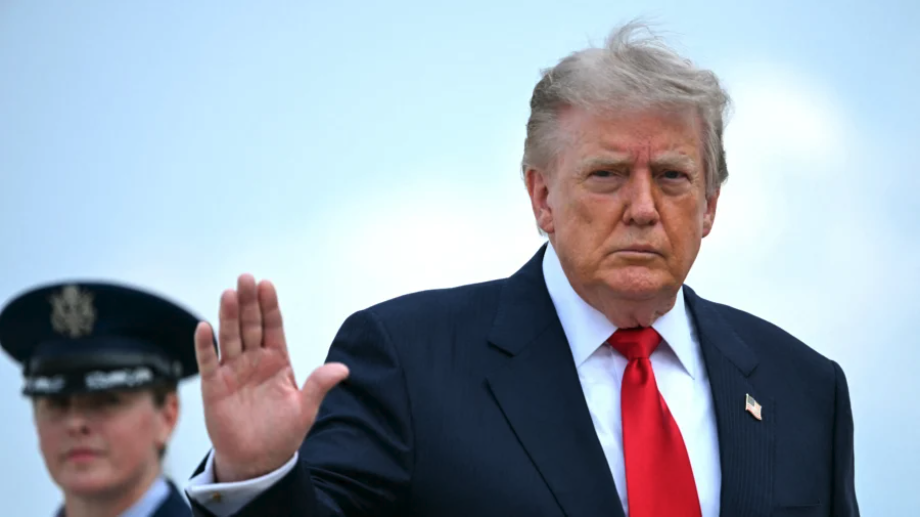
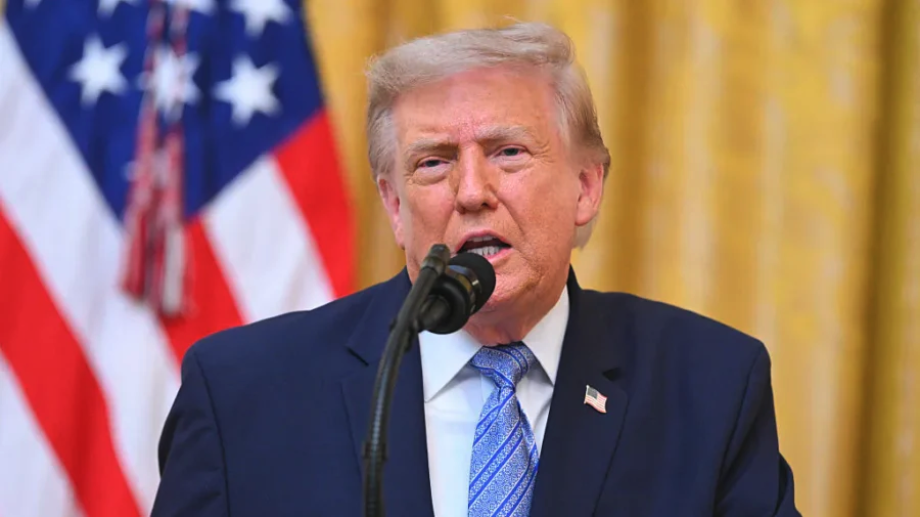
Trump has made clear that halting Iran’s nuclear ambitions is the top priority, saying Tehran must end uranium enrichment and relinquish existing stockpiles under international oversight.
“No nuclear weapon, number one. That’s 99 percent,” Trump said ahead of the talks.
Washington is also pressing Iran to reopen the Strait of Hormuz, a critical global shipping lane through which roughly one-fifth of the world’s oil and gas typically passes. Iran’s effective closure of the waterway since the start of the conflict has disrupted global energy markets and driven prices sharply higher.
Brent crude was trading around $94 on April 11, up more than 30 percent since hostilities began. Shipping traffic through the strait has dropped dramatically, with only a fraction of normal tanker volumes passing during the ceasefire.
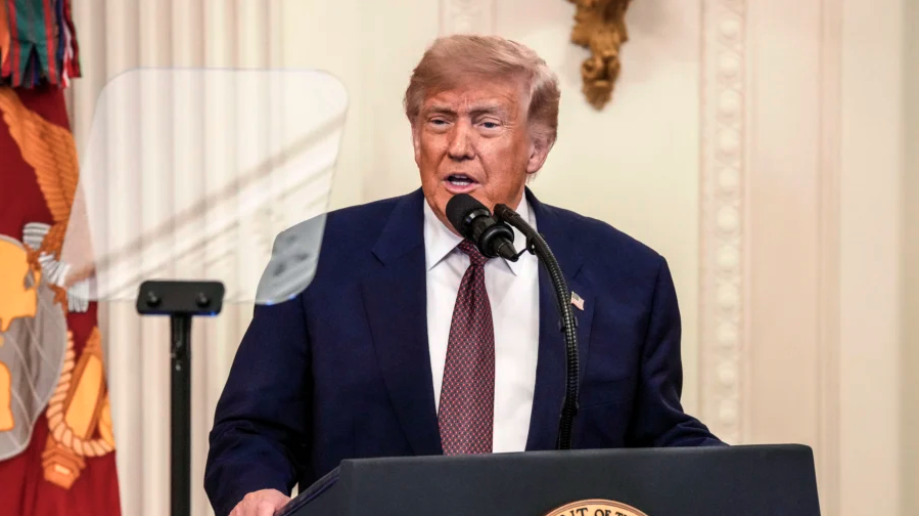
Trump has dismissed Iran’s leverage over the waterway, accusing Tehran of using it for “extortion” and warning the United States would act to reopen it if necessary.
“The Iranians don’t seem to realize they have no cards, other than a short term extortion of the World by using International Waterways,” Trump wrote in a social media post on Friday, adding that, “The only reason they are alive today is to negotiate!”
Iran, meanwhile, has signaled it may tighten control further. Iranian leader Mojtaba Khamenei said Tehran would take management of the strait to a “new phase,” while also demanding reparations and sanctions relief.
Iranian officials have suggested the Strait of Hormuz has been mined, funneling ships that want to transit through the strait into Iran’s territorial waters, allowing Tehran to control traffic and possibly collect tolls.
Islamabad Under Lockdown as Talks Begin
Security was tightened across Islamabad ahead of the talks, with roads sealed and residents urged to remain indoors, leaving the normally bustling capital unusually quiet.
More than 10,000 security personnel were deployed around the city’s diplomatic enclave, where negotiations are being held in the heavily fortified Red Zone.
The Pakistani prime minister, whose government helped broker the initial 14-day ceasefire announced April 7, described the current phase as “make-or-break” as negotiators try to transition from a temporary pause in fighting to a lasting settlement.
This is a “difficult phase,” Sharif said, suggesting that failure could lead to renewed escalation.
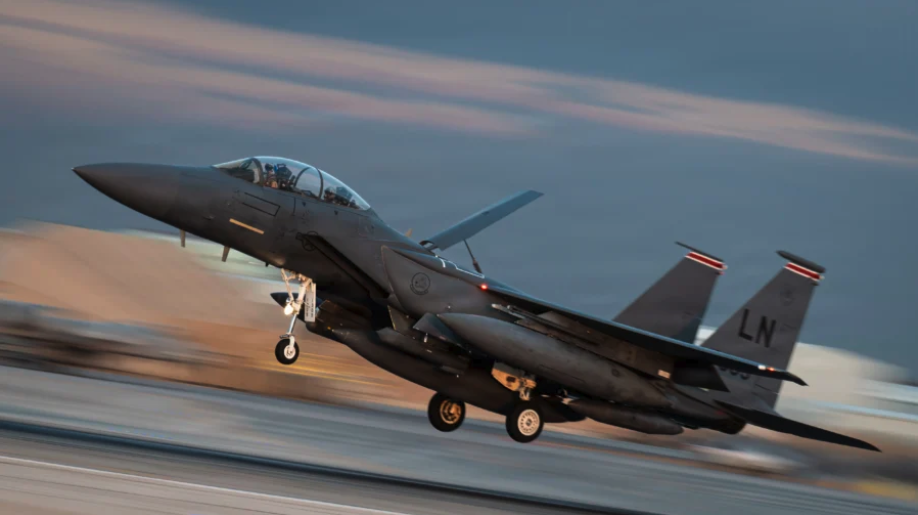
Trump has sent similar signals, telling the New York Post on Friday that U.S. warships are being reloaded with “the best ammunition” to potentially resume strikes against Iran if the negotiations fail.
“We’re going to find out in about 24 hours. We’re going to know soon,” Trump told the Post in a phone interview when asked if he thought the talks would be successful.