


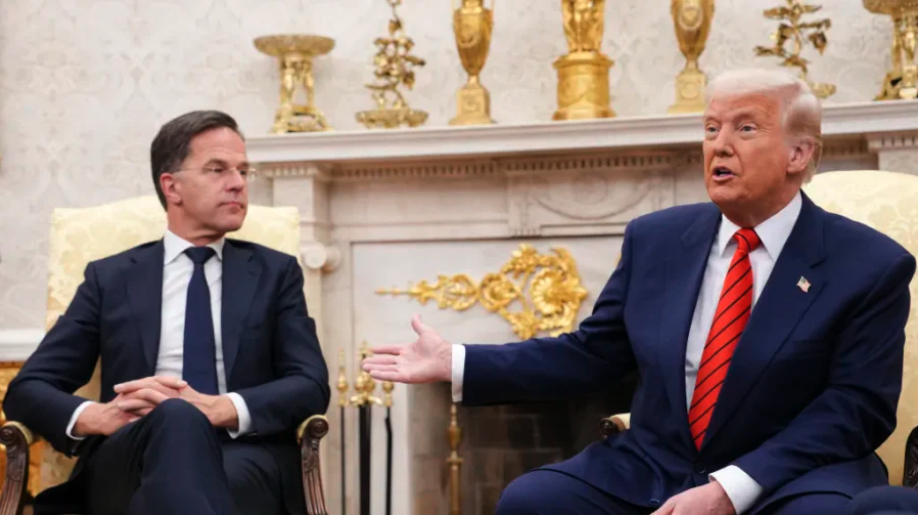
White House meeting with Mark Rutte follows sharp criticism from President Trump, who questions NATO’s commitment after limited support during U.S. operations against Iran
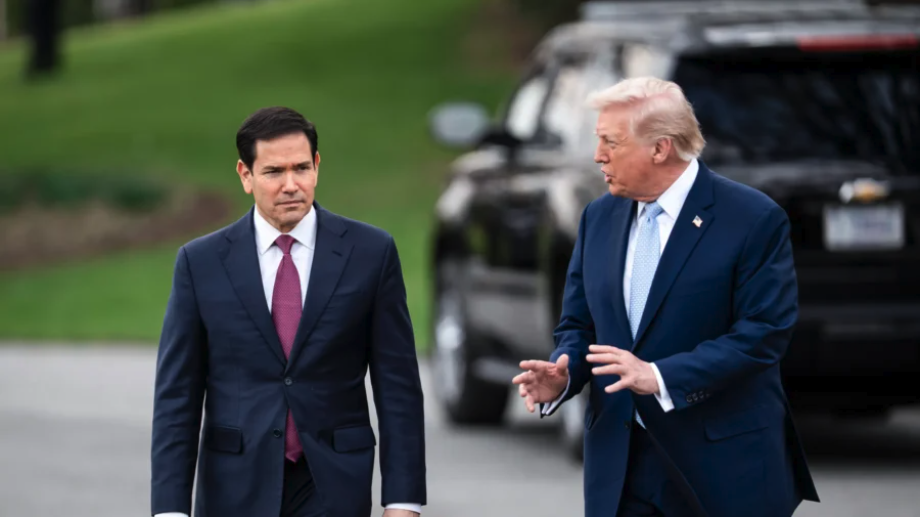
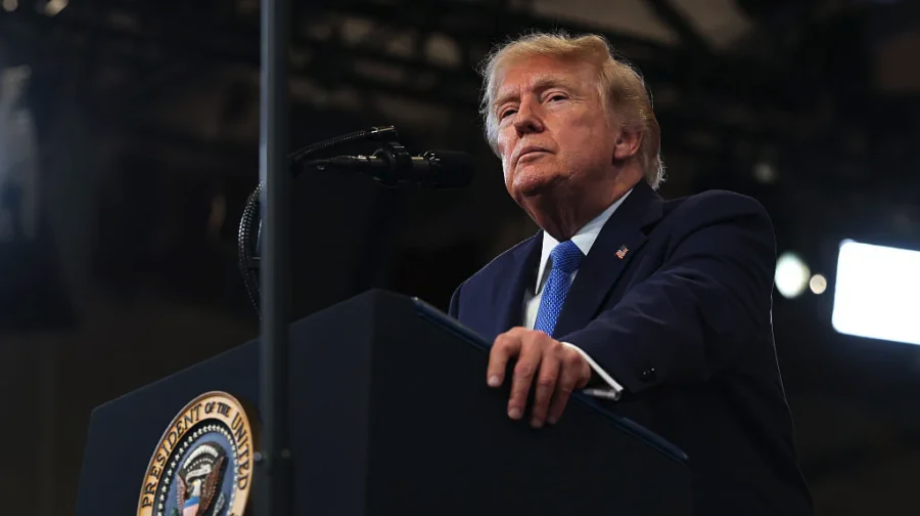
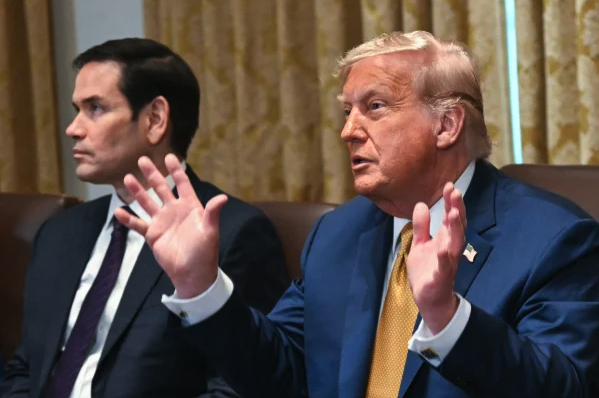
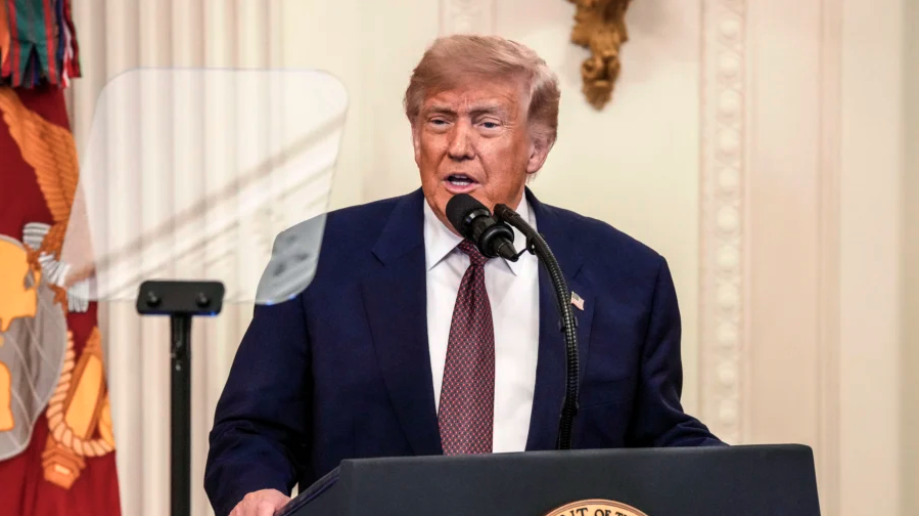
NATO Secretary-General Mark Rutte met with President Donald Trump at the White House on April 8, following Trump’s criticism of the alliance’s lack of support for recent U.S. military operations against Iran.
Members of the alliance have been reluctant to deploy forces to assist in combat operations against Iran. Throughout the Middle East conflict, several NATO nations also denied U.S. forces access to military bases and restricted overflight through their airspace for strikes targeting Iran.
Trump has raised the possibility of withdrawing the United States from the alliance.
“It’s quite sad that NATO turned their backs on the American people over the course of the last six weeks, when it’s the American people who have been funding their defense,” White House press secretary Karoline Leavitt said during a news briefing hours before Rutte’s visit.
Leavitt noted that Trump’s closed-door meeting with Rutte would involve “a very frank and candid conversation.”
When asked about Trump’s threat to exit NATO, she said, “I think it’s something the president will be discussing in a couple of hours.”
During the briefing, Leavitt also relayed Trump’s view that the Iran conflict served as a test that NATO failed.
At present, the conflict with Iran is paused.
In a post at 6:32 p.m. ET on April 7, Trump announced that he had agreed to a two-week cease-fire with Iran. He had previously threatened widespread destruction of Iran’s energy sector and key infrastructure if Iranian forces did not halt attacks on the Strait of Hormuz by 8 p.m. on April 7.
Alongside the planned pause in fighting, Trump said he had received a 10-point proposal from Iran aimed at reaching a broader and lasting settlement.
During a Pentagon briefing on April 8, Secretary of War Pete Hegseth thanked Israeli forces for their role in offensive operations against Iran.
“To our Israeli allies, thank you for being a brave, capable, and willing ally on this battlefield,” Hegseth said. “The rest of the world and the rest of our so-called allies saw what real capabilities look like. They should take some notes.”