



U.S. Criticism and Exit Warnings Push European Allies Toward Greater Defense Autonomy and Strategic Independence
The Trump administration's comments about NATO allies and threats to leave the alliance altogether are pushing European member states to look for alternative security arrangements, Spanish Foreign Minister Jose Manuel Albares said on April 7.
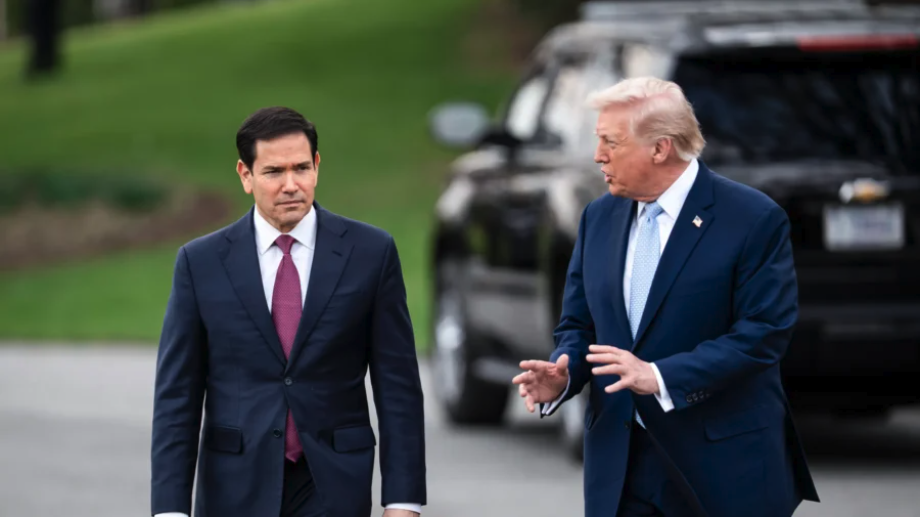
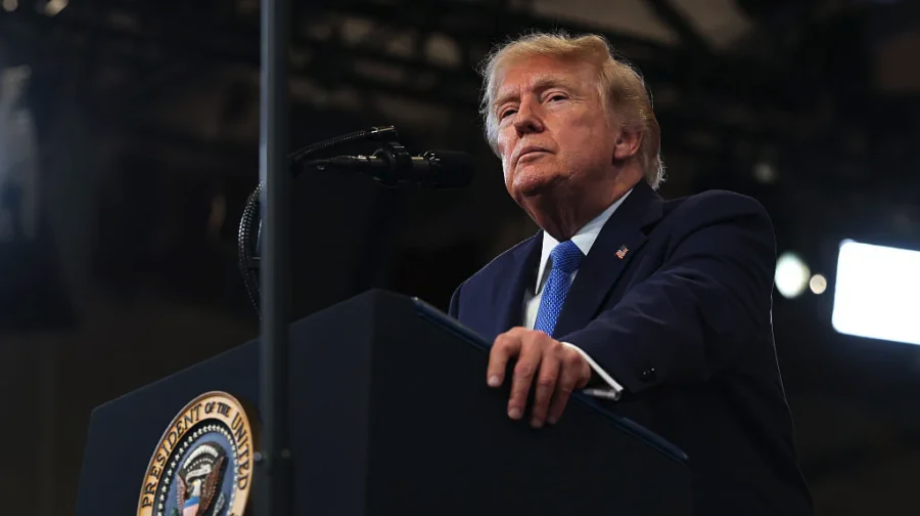
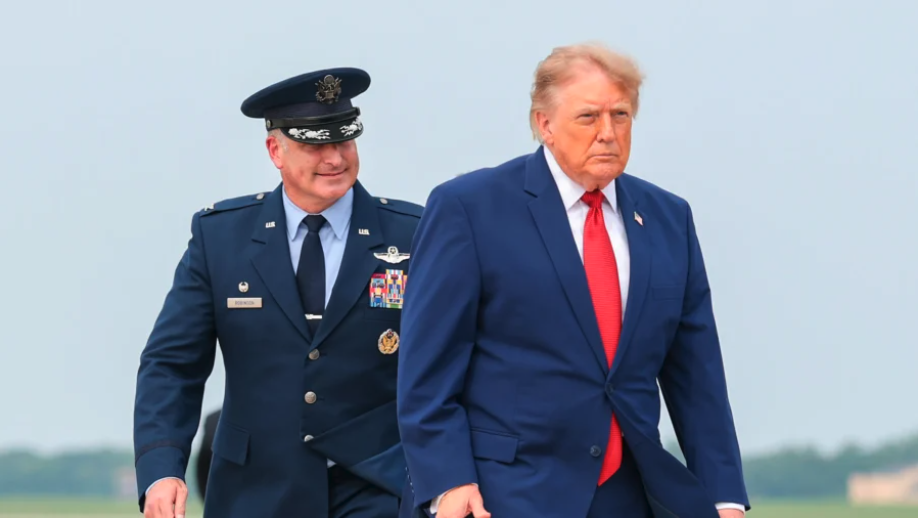
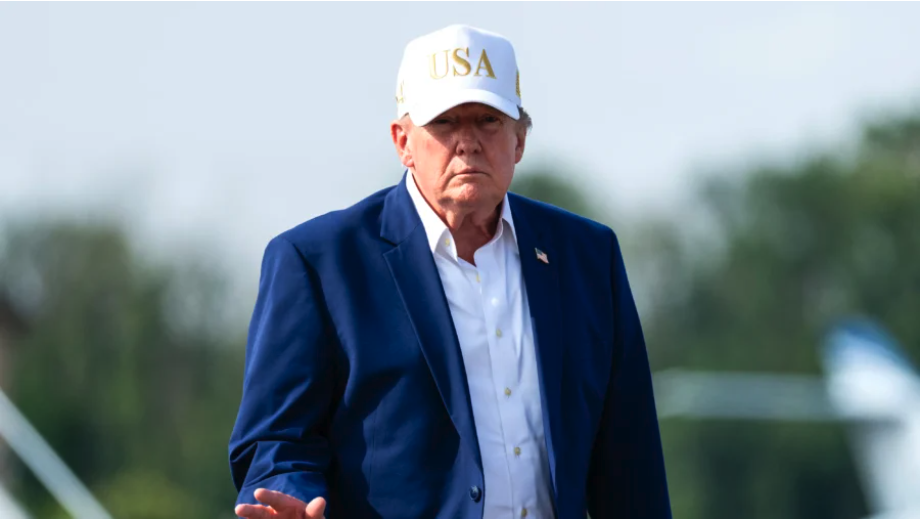
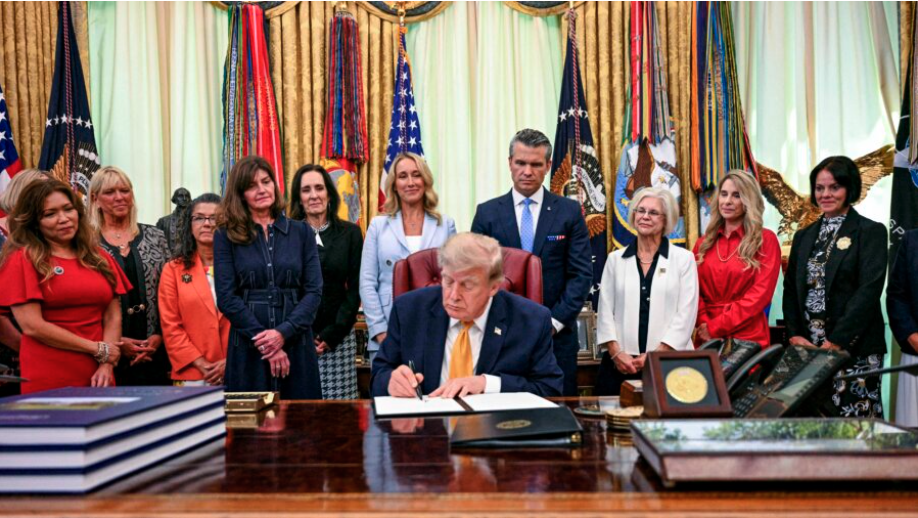
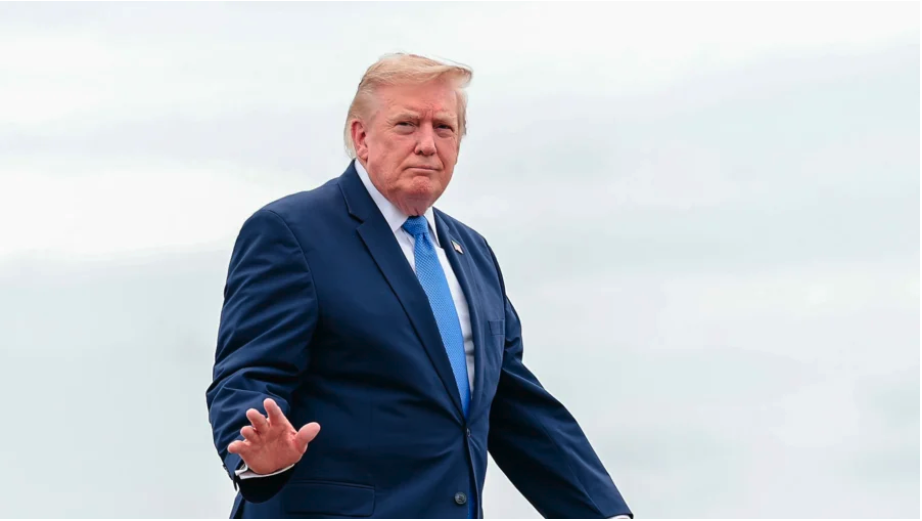
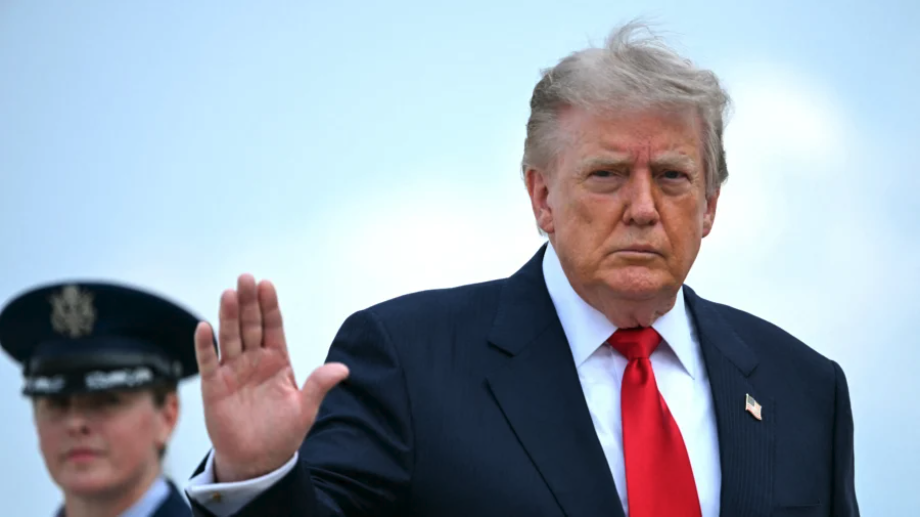
Following the reluctance of European countries to send their navies to help open up the Strait of Hormuz, which Iran has blocked, U.S. President Donald Trump has repeatedly criticized the alliance, as did U.S. Secretary of State Marco Rubio in late March.
Albares said the decision on whether Washington remains in NATO was entirely up to Trump, but added that the president's remarks were making others in the alliance reconsider their positions.
“NATO is a mutually beneficial alliance for both Europeans and Americans. ... But the U.S. administration's remarks and new positions on Euro-Atlantic security are inviting us Europeans to take a leap in terms of our sovereignty and defense matters,” Albares said during an interview on Spain's La Sexta TV channel.
“We must take our citizens' security and dissuasion into our own hands.”
To do so, he said, the European Union should seek to form a pan-European army and integrate its defense industries, and also create a digital single market and a capital markets union.
Spain's government has been one of the most vocal critics of the war on Iran, calling the actions of the United States and Israel illegal.
Madrid has shut its airspace to U.S. planes involved in the strikes and banned them from using jointly operated military bases in southern Spain.
Italy, Germany, and the UK have also expressed reservations about getting involved in the war.
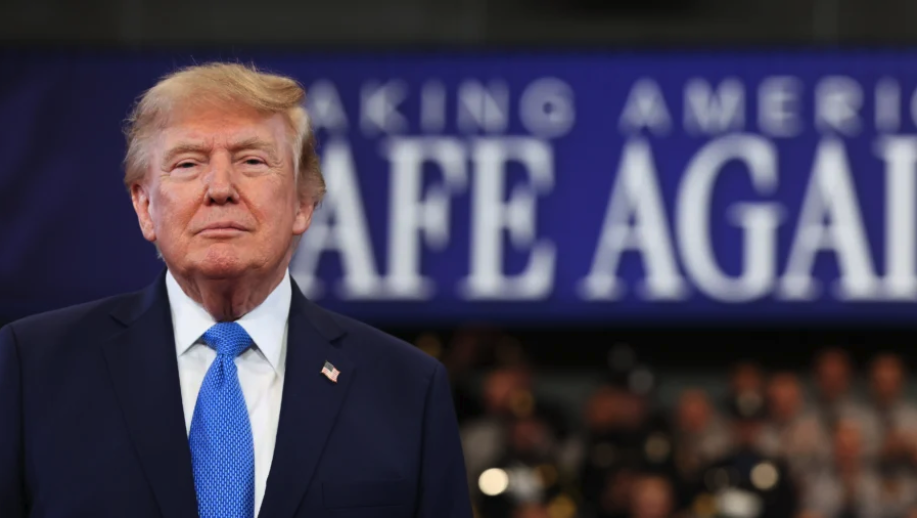
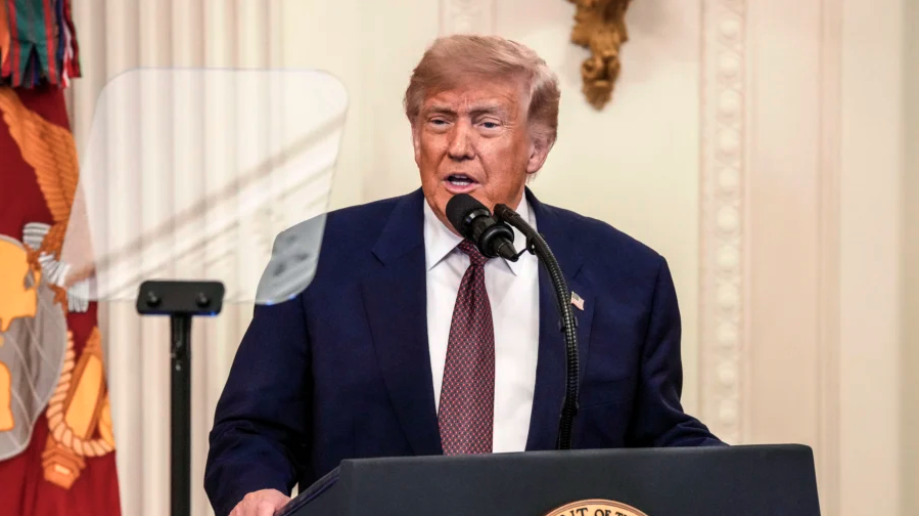
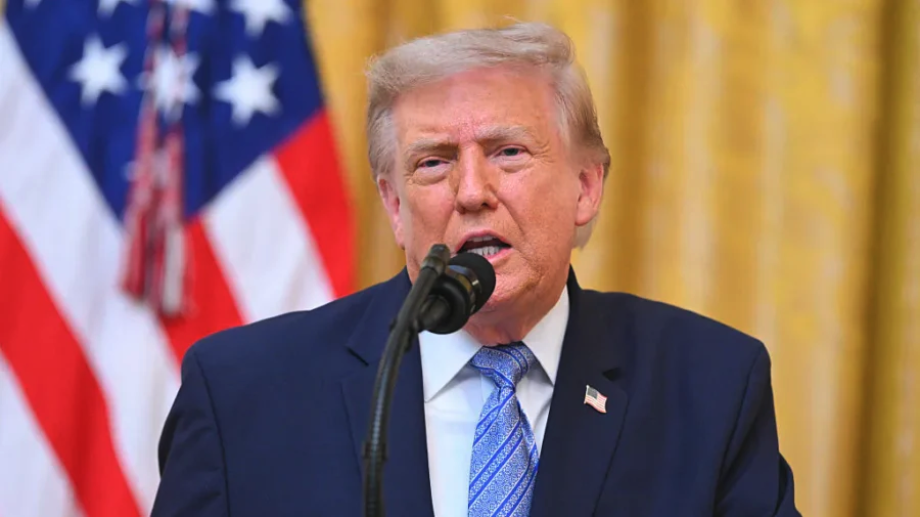
Trump said in an April 1 interview with British media outlet The Telegraph that he is seriously reconsidering U.S. membership in NATO, saying that his request for assistance to open up the Strait of Hormuz was a test that the allies failed and that removing the U.S. from the pact is now “beyond reconsideration.”
“I was never swayed by NATO,” Trump said. “I always knew they were a paper tiger, and [Russian President Vladimir] Putin knows that too, by the way.”
Trump called the reluctance of member states to involve themselves more heavily in the current war with Iran “hard to believe,” noting that he “didn’t do a big sale” or insist on their involvement in the conflict, but rather thought that their support “should be automatic.”
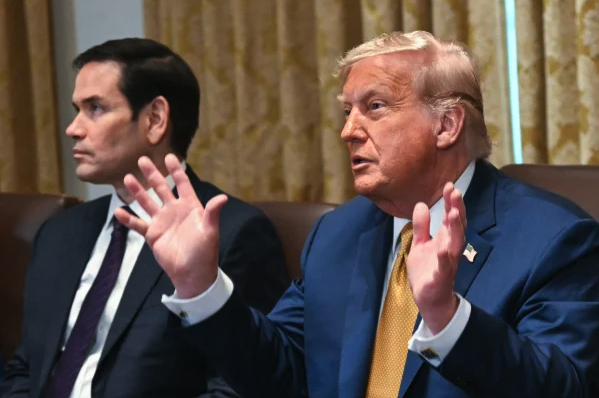
Those remarks built on comments on March 30 from U.S. Secretary of State Marco Rubio, who said Washington must reexamine its relationship with the alliance because members are not helping the United States in the Iran conflict.
Describing the response of some allies as “very disappointing,” Rubio said Trump and the United States would have to reconsider the organization after the current conflict ends.
“In a time of need—the United States has identified a grave risk to our national security and our national interest—we needed to conduct this operation. And we have countries like Spain, a NATO member that we are pledged to defend, denying us the use of their airspace and bragging about it, denying us the use of our—of their bases. And there are other countries that have done that as well.”
Rubio said that one has to ask, if this is the case, “What is in it for the United States?”
Collective defense is at the heart of the NATO alliance, which was formed in 1949 with the primary aim of countering the risk of Soviet attacks on allied territory.
Article 5 of the North Atlantic Treaty states that “an armed attack against one NATO member shall be considered an attack against them all.”
NATO invoked Article 5 in response to terrorist attacks against the United States on Sept. 11, 2001, the only time it has been invoked in the alliance’s history.