


Tehran vows intensified response if civilian infrastructure is targeted, as Donald Trump issues stark ultimatum over Strait of Hormuz and regional conflict deepens
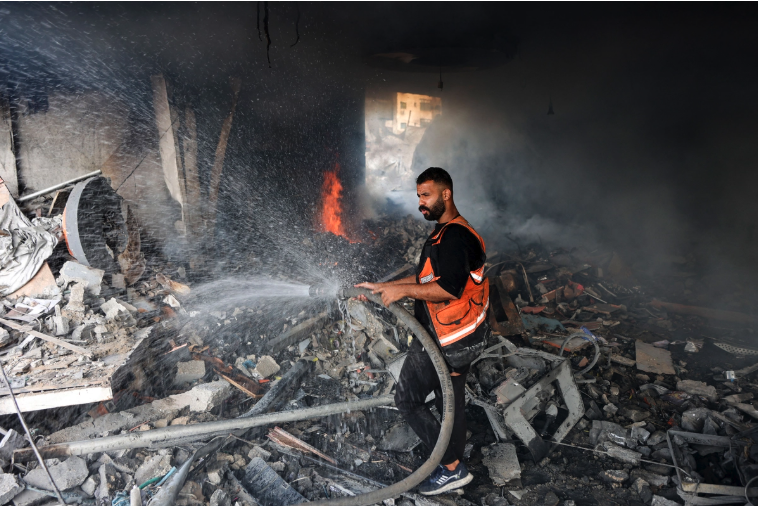
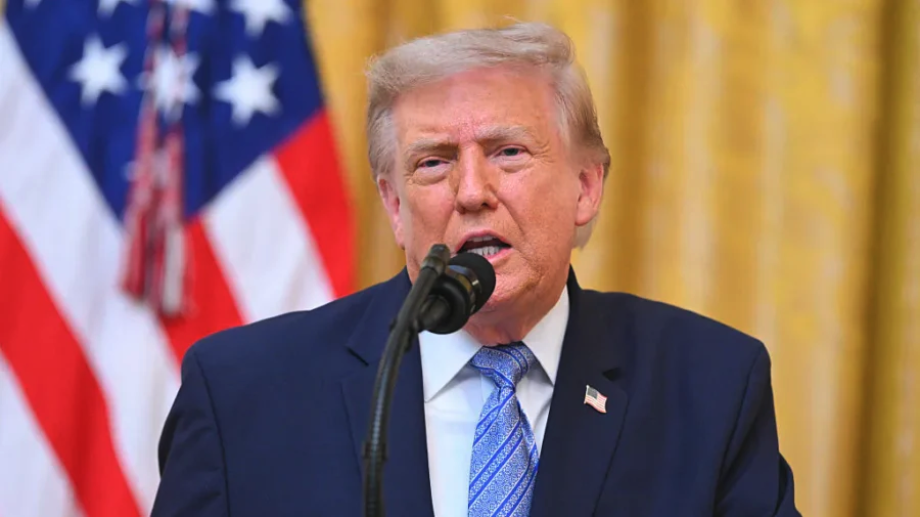
Iranian officials said Sunday that the country would carry out more forceful attacks if the United States and Israel target its civilian infrastructure, in what appeared to be a response to warnings issued by U.S. President Donald Trump over the weekend.
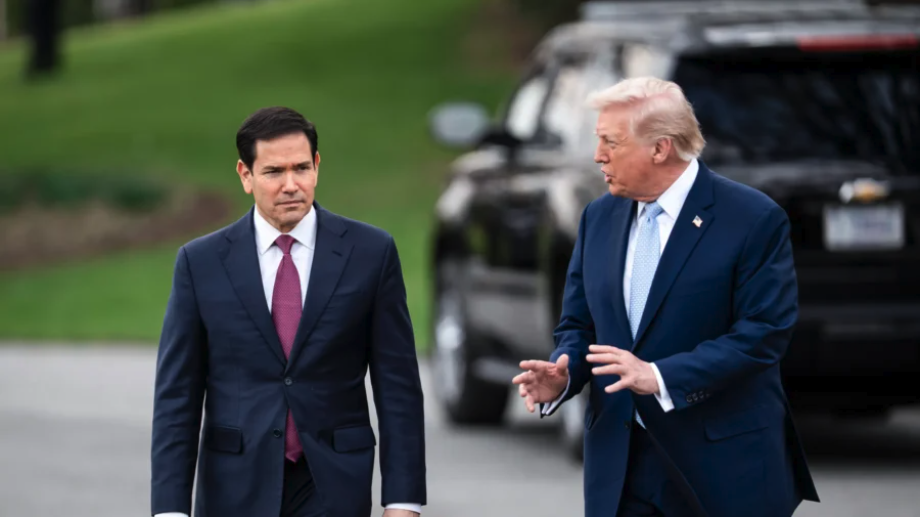
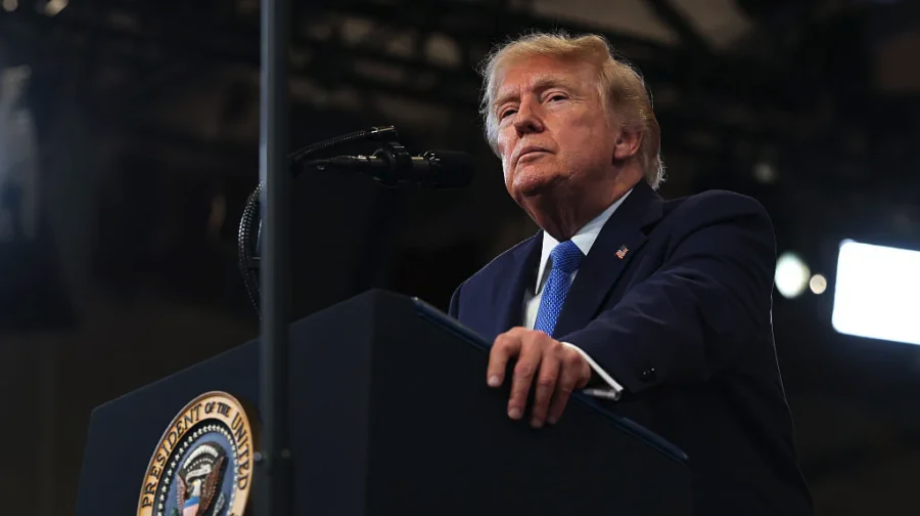
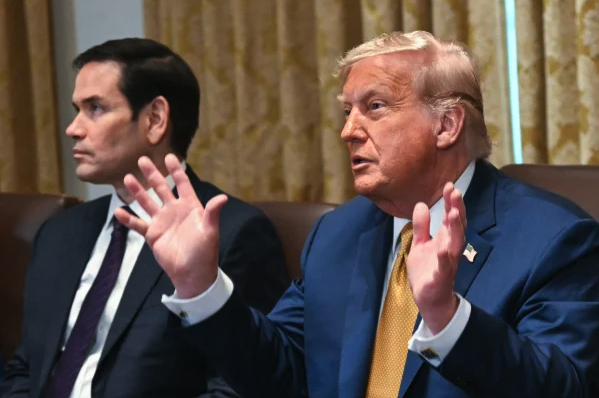
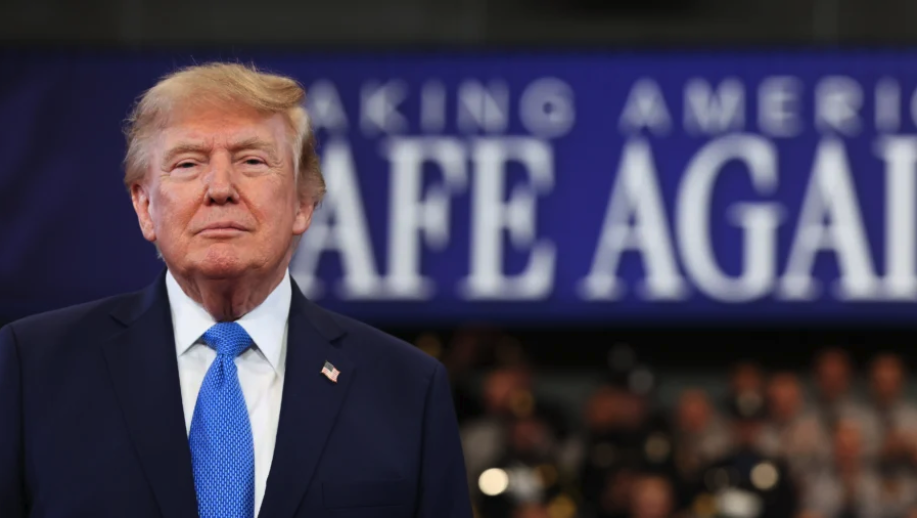
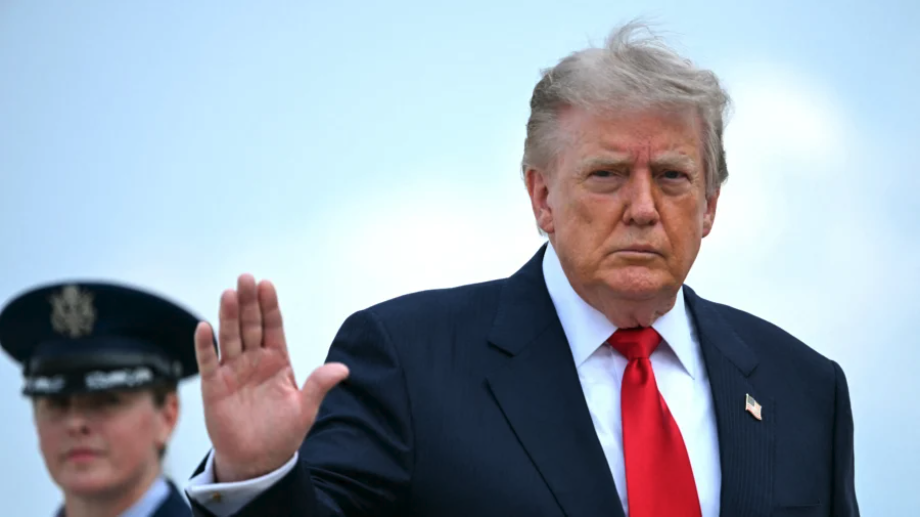
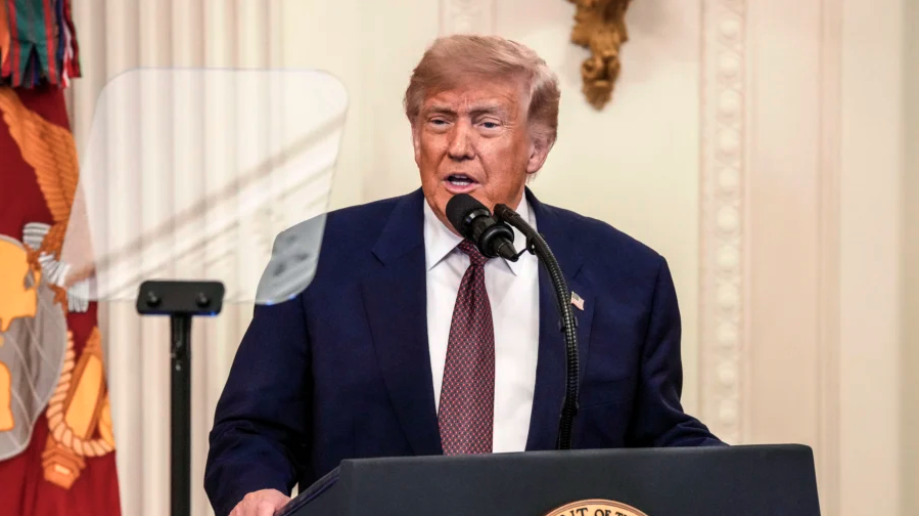
Trump, in several statements on Saturday and Sunday, said the Iranian regime must reopen the Strait of Hormuz or face U.S. military strikes on civilian infrastructure. Last month, he issued multiple ultimatums to Tehran regarding the waterway, with his latest deadline set for 9 p.m. ET Monday.
On Sunday, Trump warned that “Tuesday will be Power Plant Day, and Bridge Day, all wrapped up in one, in Iran. There will be nothing like it!!!” He demanded that Iran reopen the strait or “you’ll be living in Hell - JUST WATCH,” according to a post on Truth Social.
Trump extended earlier deadlines after citing progress toward ending the war. Since the conflict began, the Strait of Hormuz has been effectively shut down, driving up global oil prices.
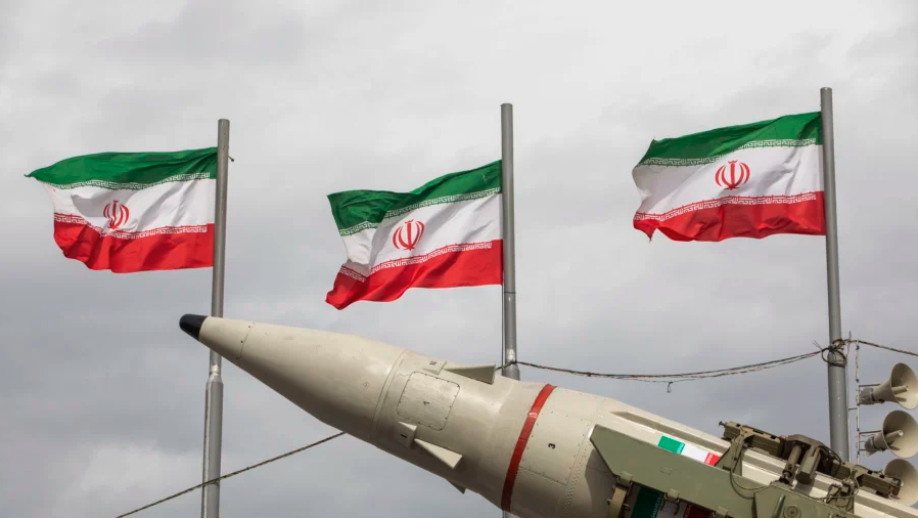
However, Iran’s Islamic Revolutionary Guards Corps (IRGC) said any further attacks on its infrastructure would trigger more severe retaliation, according to a report by state-run PressTV.
“If attacks on civilian facilities are repeated, the next phase of the operation will be more intense and broader in scope,” the IRGC warned, without elaborating.
On Sunday morning, Iran’s parliamentary speaker Mohammad-Bagher Ghalibaf appeared to respond to Trump’s message, stating that “your reckless moves are dragging the United States into a living HELL for every single family, and our whole region is going to burn.”
“The only real solution is respecting the rights of the Iranian people and ending this dangerous game,” he wrote on X.
Trump’s Monday deadline reflects growing concern over Iran’s control of the Strait of Hormuz, a critical route for oil and gas shipments from the Persian Gulf to Europe and Asia, as well as for humanitarian supplies. Some vessels have reportedly paid Iran for safe passage.
Iran has also threatened to strike civilian infrastructure in neighboring countries, claiming such facilities are being used to support U.S.–Israeli military operations. Last week, the regime warned it could target American technology companies operating in the Middle East, including Google, Meta, Microsoft, and Amazon.
Oman’s Foreign Ministry said Iranian and Omani officials met to discuss proposals to ensure “smooth transit” through the strait. Oman has frequently acted as a mediator between Washington and Tehran.
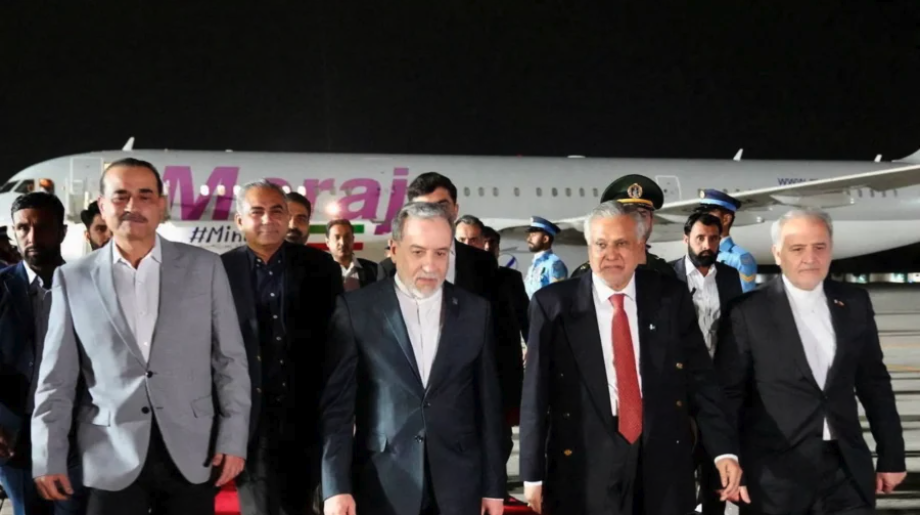
Egypt stated that Foreign Minister Badr Abdelatty held phone calls with U.S. envoy Steve Witkoff and Iranian Foreign Minister Abbas Araghchi, as well as counterparts in Turkey and Pakistan involved in mediation efforts.
Pakistan’s Foreign Ministry said it conveyed to Araghchi that Islamabad supports “all efforts aimed at de-escalation” and plans to host talks between the United States and Iran.
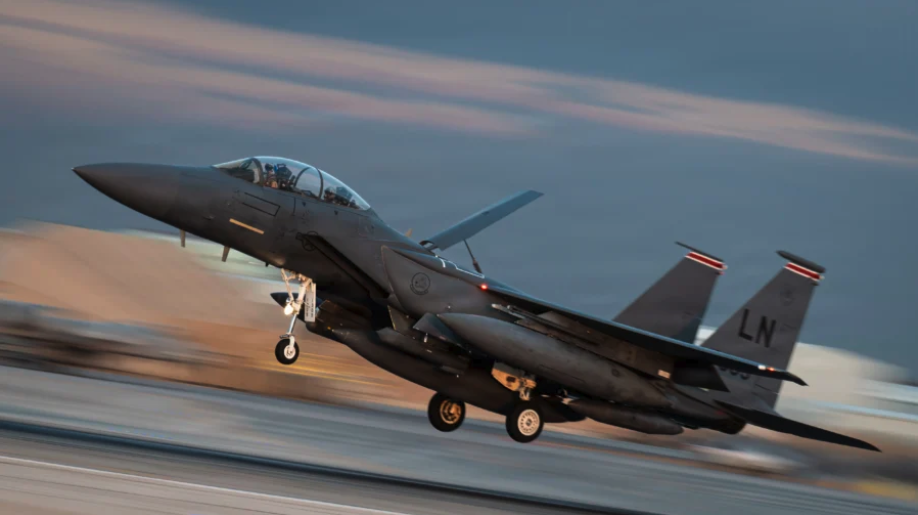
The developments come as Trump announced that a U.S. service member, missing since Iran shot down a fighter jet on April 3, has been rescued following a search-and-rescue operation after the crash of an F-15E Strike Eagle. Iran had previously offered a reward for information on the pilot’s whereabouts. A second crew member had already been located.
The incident marked the first U.S. military aircraft to crash داخل Iranian territory since the conflict began in late February. In March, Kuwaiti officials reported that several U.S. military aircraft were downed in a friendly fire incident.