

Judge grants 14-day stay allowing Trump administration policy to proceed as appeals court reviews dispute over press access and First Amendment concerns
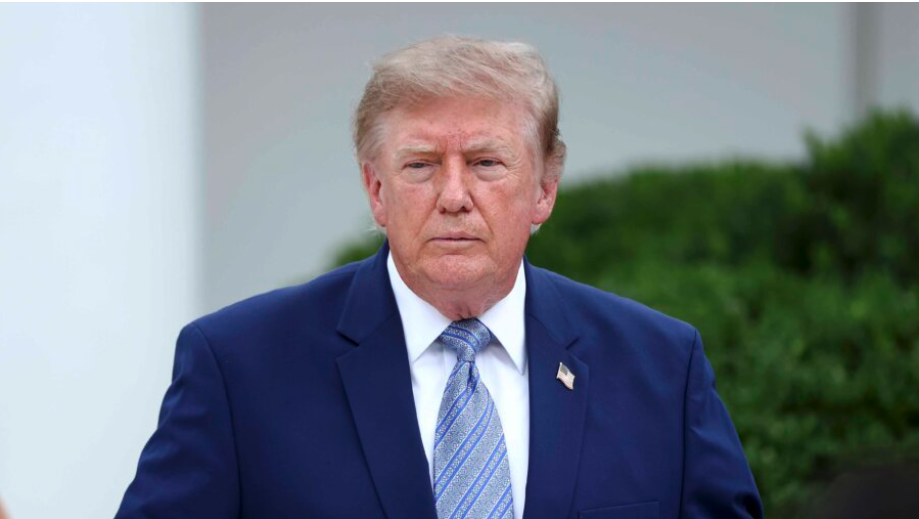
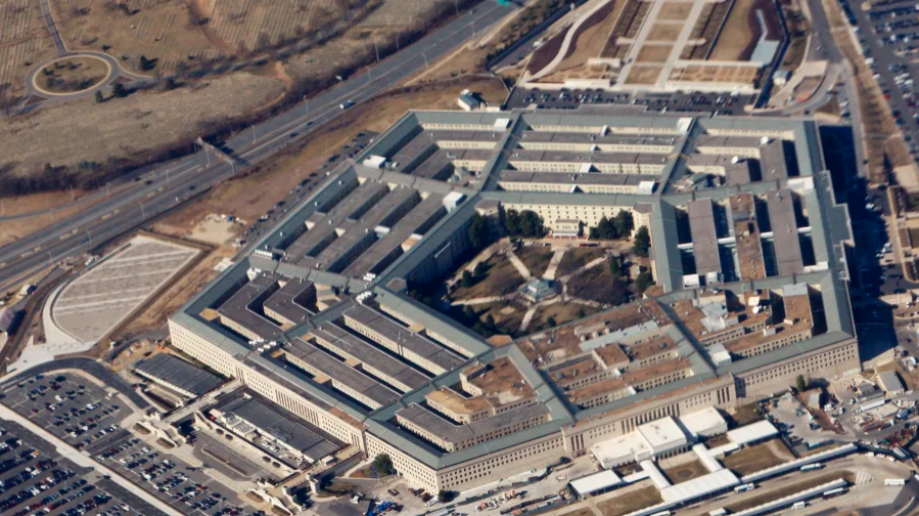
A federal court on April 13 temporarily allowed the administration of Donald Trump to enforce its media access restrictions at the Pentagon, after blocking the policy last month.
Judge Paul L. Friedman of the U.S. District Court for the District of Columbia granted the federal government’s request for a 14-day administrative stay of his March 20 order, which had previously blocked the restrictions. He did not provide reasons for the decision, which pauses his earlier ruling and allows the policy to take effect for now.
The government had sought the temporary stay to give the U.S. Court of Appeals for the District of Columbia Circuit time to consider the Department of War’s appeal of the March 20 decision. In that earlier ruling, Friedman issued a permanent injunction preventing enforcement of the contested restrictions.
The Department of War tightened its media rules in September 2025, citing concerns that reporters roaming Pentagon hallways could jeopardize national security.
Under the revised policy, soliciting non-public information from department personnel or encouraging employees to break the law was deemed outside the scope of protected newsgathering. The rules also stated that reporters could be denied press credentials if officials determined they posed a safety or security risk.
The New York Times, which filed a lawsuit late last year to block the policy, argued that limiting journalists’ access to the Pentagon and its personnel was unconstitutional. The outlet said the policy violated the First Amendment by restricting journalists’ ability to question government employees and gather information beyond official statements.
In his March 20 ruling, Friedman wrote that the framers of the First Amendment believed national security depends on a free press and an informed public, and that such security is threatened by government suppression of political speech.
“That principle has preserved the nation’s security for almost 250 years,” he said. “It must not be abandoned now.”
The judge referenced past events including the Vietnam War, the September 11 attacks, conflicts in Kuwait and Iraq, and Guantanamo Bay, arguing that transparency has been critical during periods of national crisis.
Friedman also said the department failed to demonstrate harm from blocking the policy, asserting that its “true purpose and practical effect” was to exclude disfavored journalists and replace them with more compliant outlets.
The initial policy required media organizations to sign agreements pledging not to seek unauthorized information from Pentagon officials, under penalty of losing credentials.
Following Friedman’s March 20 ruling, the Pentagon introduced a revised policy restoring credentials for some reporters while requiring journalists to be escorted داخل the building. It also modified language related to obtaining non-public information, prohibiting the “encouraging, inducing, or requesting” of such disclosures.
Pentagon spokesman Sean Parnell responded to the latest stay order, stating in a post on X that the department would seek an emergency stay of the initial injunction to maintain security during the appeals process.
“Journalists do not have unescorted access to the building but will continue to have press credentials and access to all press briefings, press conferences, and interviews,” he said.
A spokesperson for The New York Times, Charlie Stadtlander, said the organization would oppose the department’s request for a stay before the D.C. Circuit Court.