

Tehran insists leadership remains stable under Mojtaba Khamenei despite absence from public view, as tensions persist over Hormuz Strait and disputed negotiations with the United States
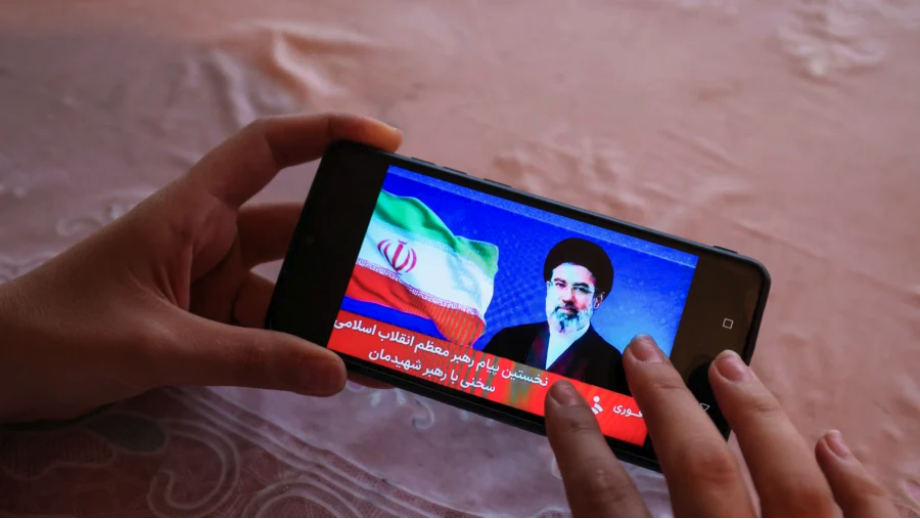
Iran’s ambassador to the United Nations said the country’s new leader, Mojtaba Khamenei, is “safe” and is actively leading the nation, despite not making any public appearances.
Khamenei is “announcing his decisions and positions in different statements,” Iran’s U.N. ambassador Ali Bahreini said in a video interview with The Associated Press published Thursday.
“The political structure in Iran is working very well,” Bahreini said. “The leader is doing his job, but because of the specific situation we are in now, of course, there are some security arrangements which are very necessary for this particular time.”
Bahreini did not provide further details regarding Khamenei’s health or whereabouts. He was appointed as the country’s top leader earlier this month, weeks after his father, longtime leader Ali Khamenei, was killed in U.S.–Israeli airstrikes on Feb. 28 at the outset of the operation.
Since assuming leadership, Khamenei has issued multiple statements, including one earlier this month indicating that Iran would continue efforts to effectively block the Strait of Hormuz and would persist in attacking Middle Eastern nations hosting U.S. military assets.
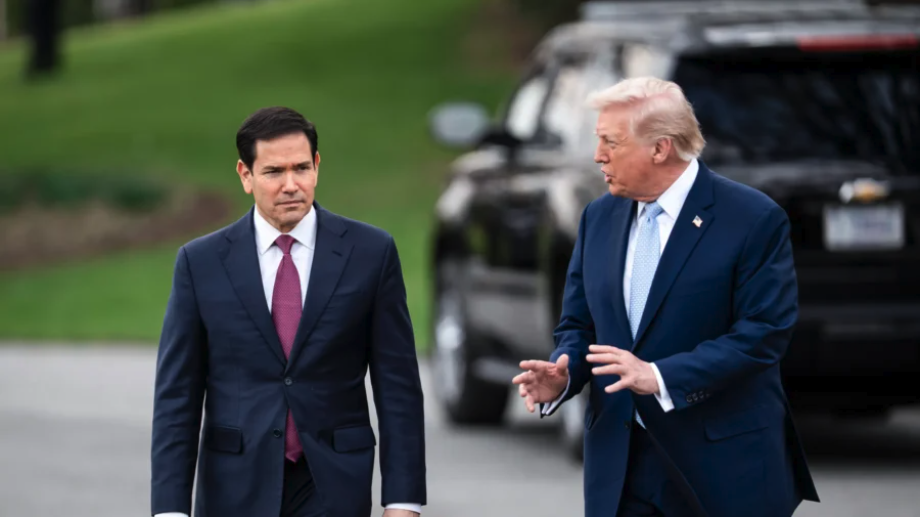
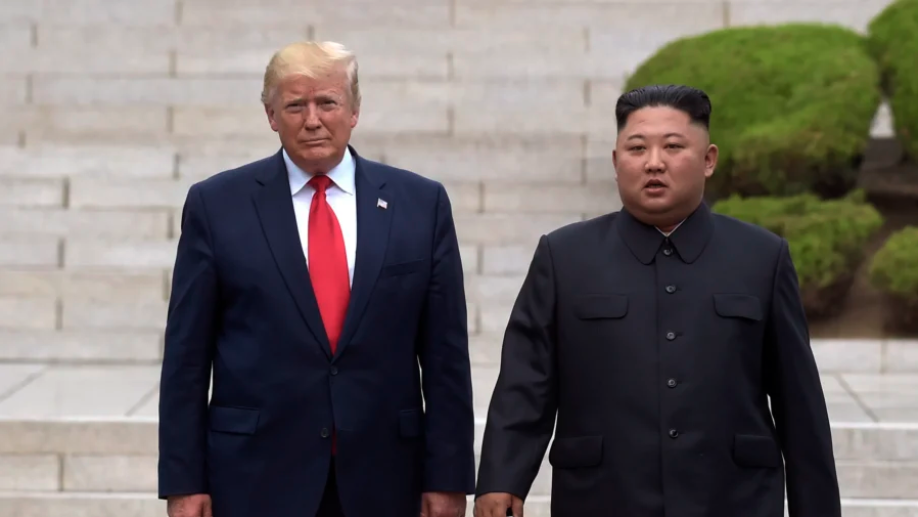
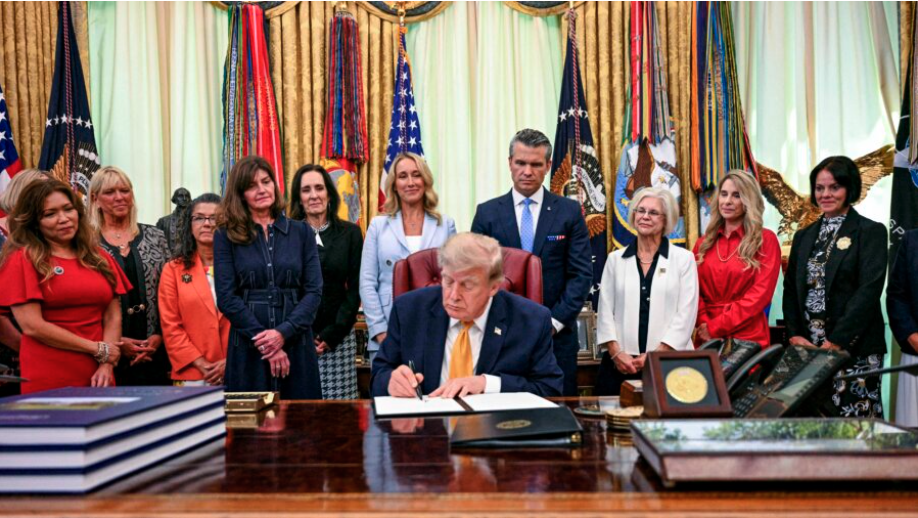
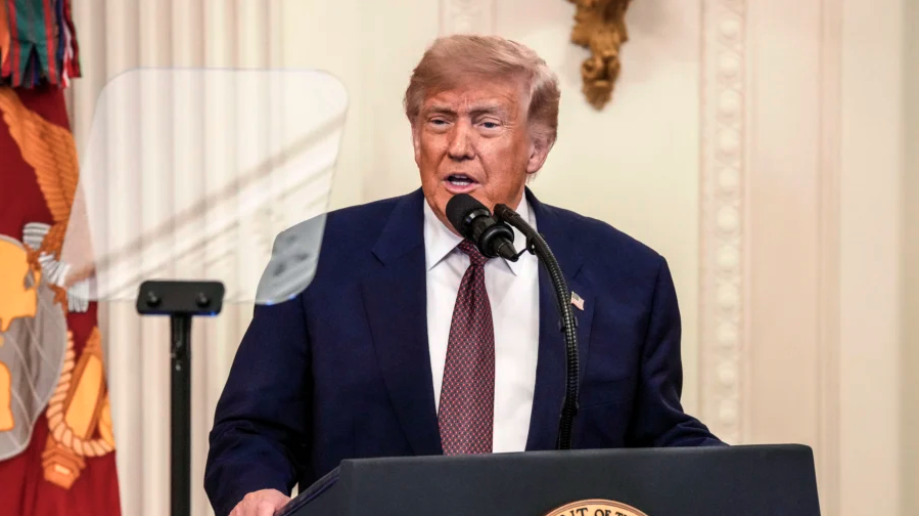
President Donald Trump said Monday that his administration is not negotiating directly with Khamenei but is instead “dealing with a man who I believe is the most respected and the leader.” Referring to Khamenei, Trump added that the government has “not heard from the son,” noting that “every once in a while you’ll see a statement made, but we don’t know if he’s living” or not.
“Nobody’s exactly looking forward to being the head of that particular country,” Trump said, adding, “but perhaps we’ll be able to solve that problem.”
Since the conflict began, oil shipments through the Strait of Hormuz have largely come to a halt, driving up global oil and energy prices. Over the weekend, Trump warned that the U.S. military would launch strikes on Iran’s energy infrastructure within 48 hours if talks were not initiated, though he later extended that deadline.
On Thursday, Trump again pushed back the deadline for Tehran to reopen the Strait of Hormuz and said negotiations to end the war are “going very well,” even as Iran continues to publicly deny engaging in talks with the White House.
“As per Iranian Government request, please let this statement serve to represent that I am pausing the period of Energy Plant destruction by 10 Days to Monday, April 6, 2026, at 8 P.M., Eastern Time,” Trump wrote on Truth Social. “Talks are ongoing and, despite erroneous statements to the contrary by the Fake News Media, and others, they are going very well.”
Meanwhile, Iran’s Islamic Revolutionary Guard Corps, via the state-run Tasnim News website, warned residents in Middle Eastern countries to avoid U.S. military installations, signaling that strikes on those positions could be imminent.