

Masoud Pezeshkian calls for a choice between confrontation and engagement while tensions escalate and military actions intensify across the region
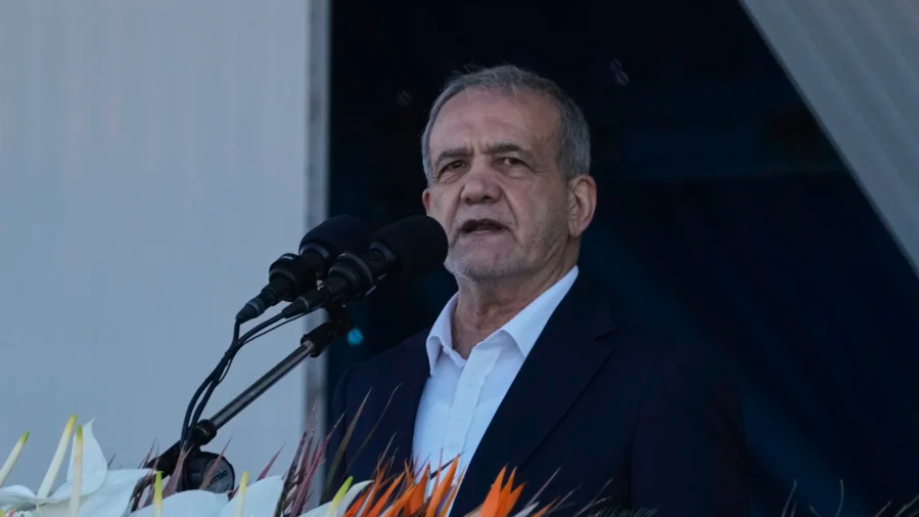
Iranian President Masoud Pezeshkian on Wednesday released an open letter stating that confrontation is “costly and futile” as the month-long war between Iran and the United States continues.
“Today, the world stands at a crossroads. Continuing along the path of confrontation is more costly and futile than ever before. The choice between confrontation and engagement is both real and consequential; its outcome will shape the future for generations to come,” Pezeshkian said in a letter posted in English on his X account.
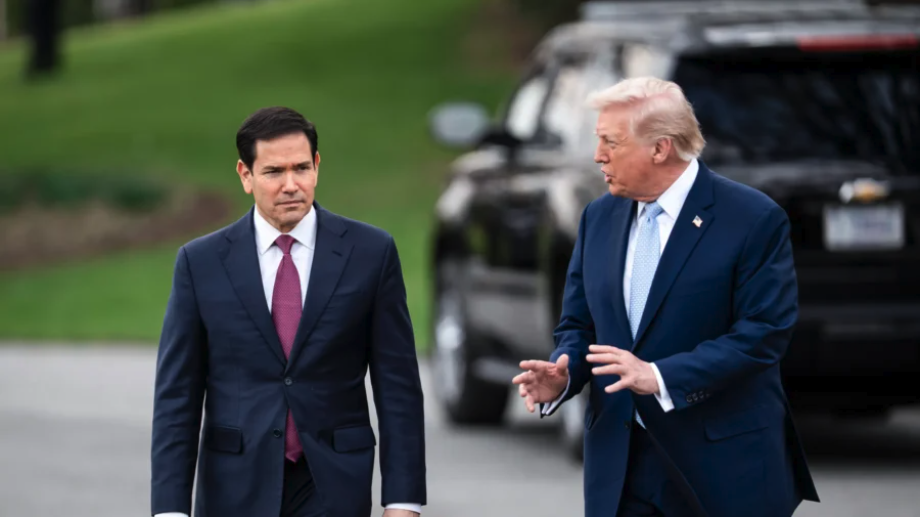
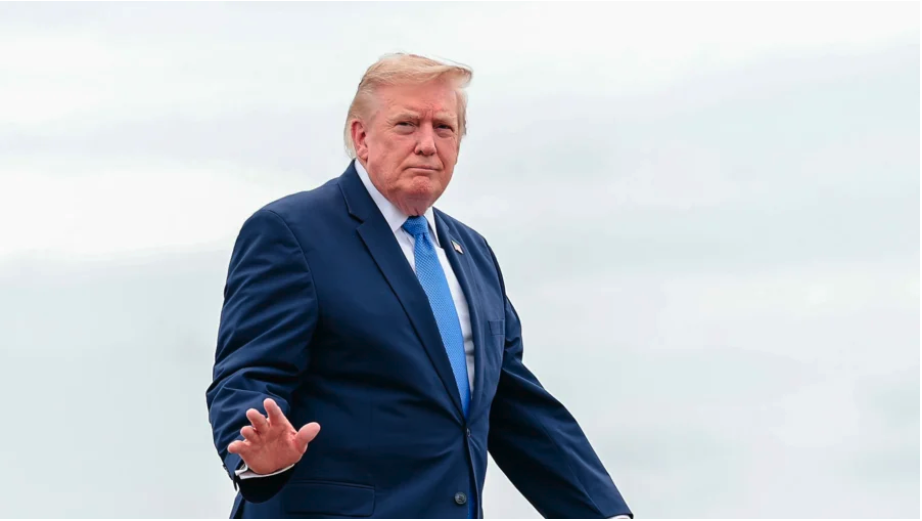
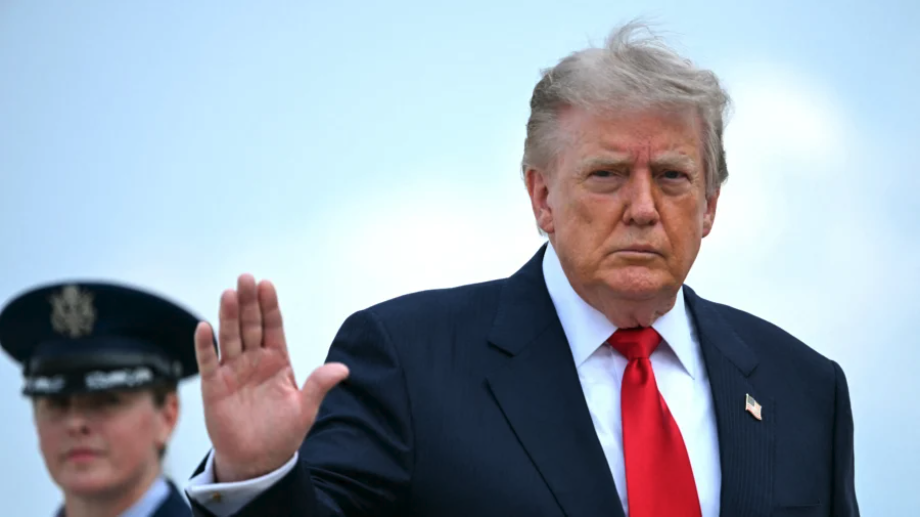
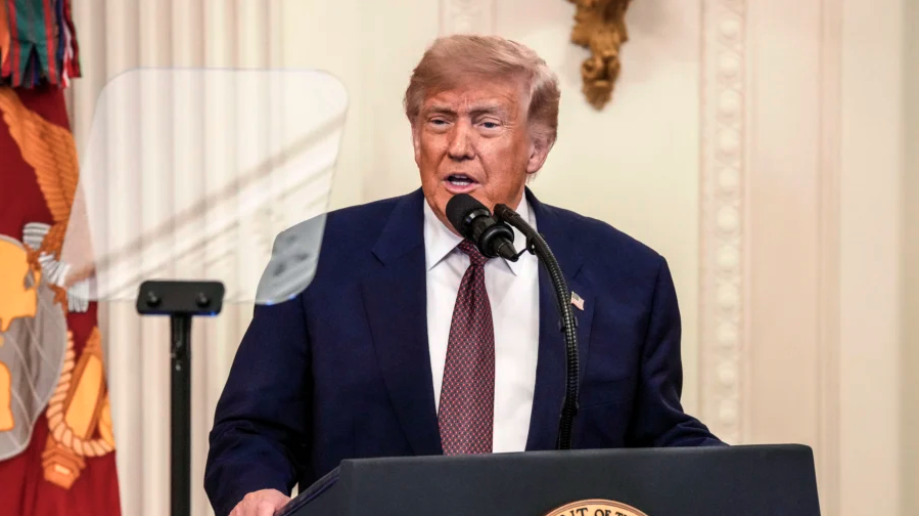
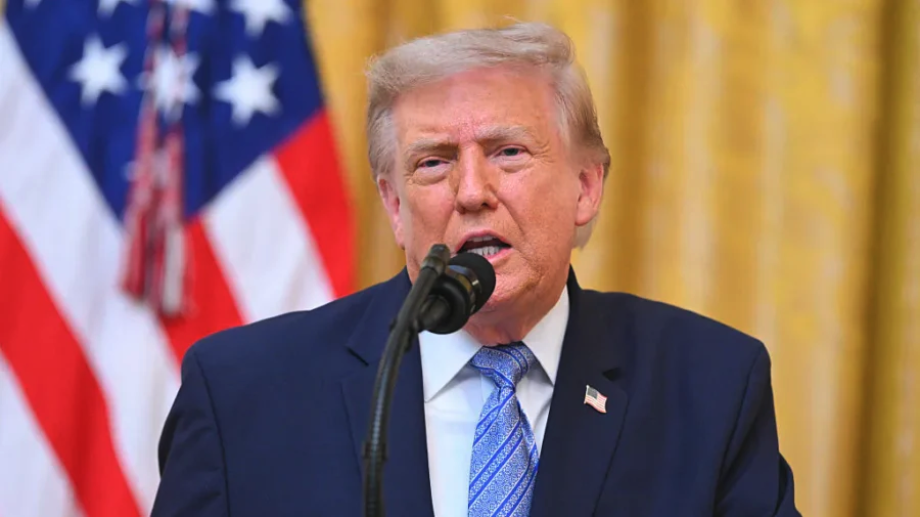
In the letter, he made no reference to comments by U.S. President Donald Trump earlier Wednesday, in which Trump said Iran’s leader had expressed interest in a cease-fire.
Trump wrote on Truth Social: “We will consider when Hormuz Strait is open, free, and clear. Until then, we are blasting Iran into oblivion or, as they say, back to the Stone Ages!!!”
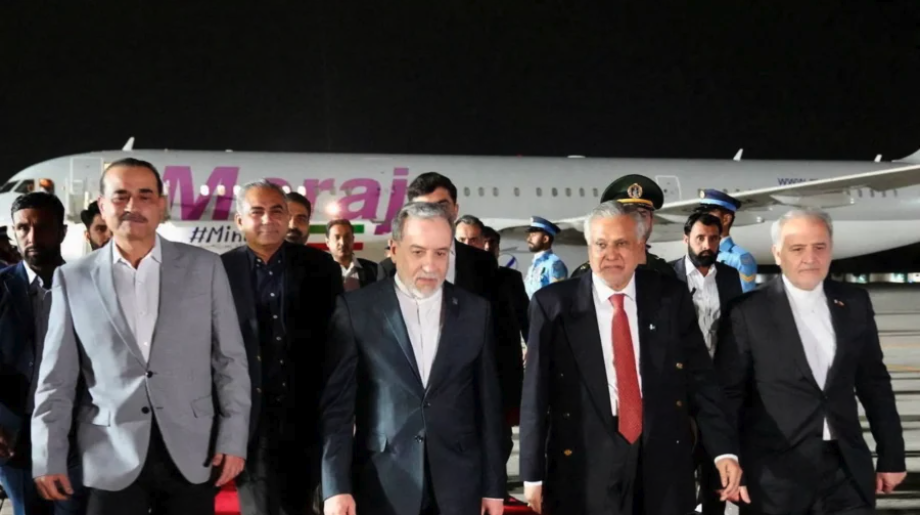
Beginning last week, the Trump administration has said U.S. officials are in talks with members of the Iranian government, including Pezeshkian and parliamentary speaker Mohammad-Bagher Ghalibaf. Iranian Foreign Ministry officials, however, have denied that direct negotiations are taking place.
In his letter, Pezeshkian also questioned whether the conflict serves the interests of the American public and alleged that the U.S. military is acting as a proxy for Israel.
“Exactly which of the American people’s interests are truly being served by this war? Was there any objective threat from Iran to justify such behavior?” he wrote.
Prior to the outbreak of hostilities on Feb. 28, Washington and Tehran had been engaged in negotiations over Iran’s nuclear program. U.S. and Israeli officials have long asserted that Iran has sought to enrich uranium to weapons-grade levels for nuclear missiles—an allegation Tehran has consistently denied.
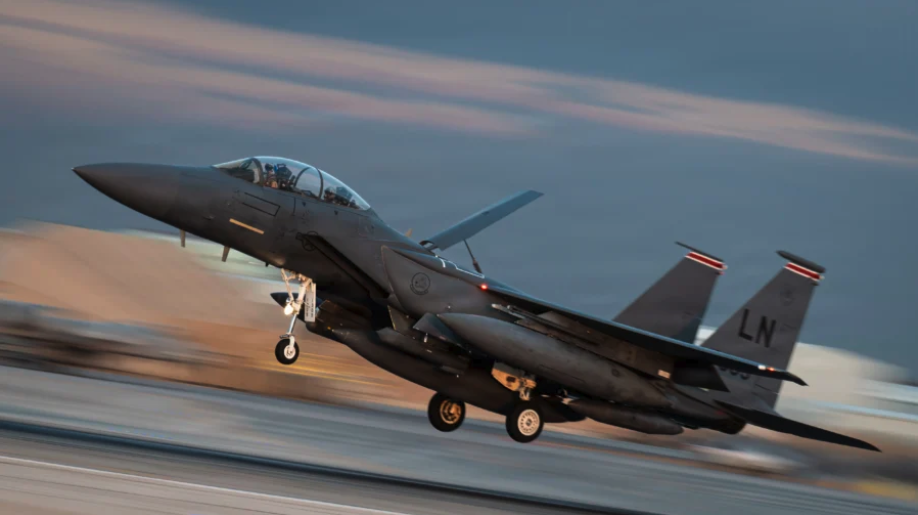
Trump said last month that Iran’s government could not be allowed to obtain a nuclear weapon. The White House reiterated Wednesday that U.S. objectives are to “obliterate Iran’s missiles and production, annihilate its navy, sever its support for terrorist proxies, and ensure it never acquires a nuclear weapon.”
The International Atomic Energy Agency said last year it could not determine whether Iran’s nuclear program was entirely peaceful. The agency noted that since 2019, Iran has not fully complied with inspections and has not clarified whether nuclear materials were being diverted for further enrichment.
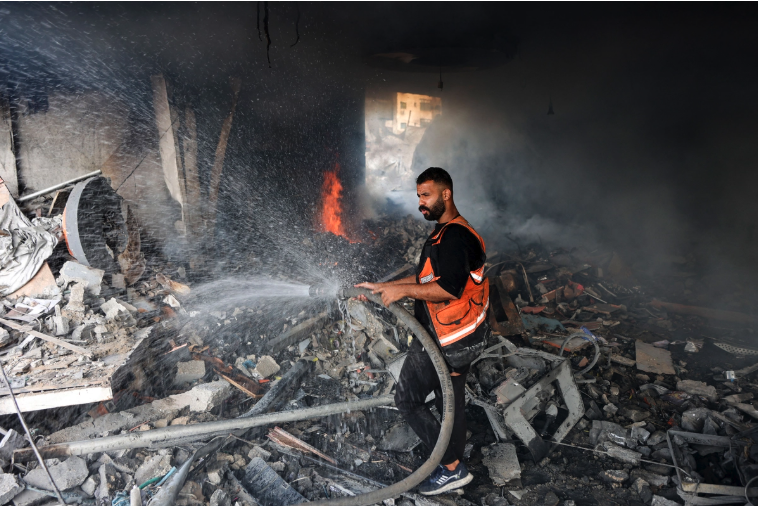
In response to U.S. and Israeli strikes, Iran has launched numerous missiles and drones at neighboring countries, including Saudi Arabia, Qatar, Kuwait, Israel, United Arab Emirates, and Turkey, stating it is targeting U.S. or Israeli assets in the region.
Iranian forces have also blocked commercial shipping in the Strait of Hormuz, a vital route carrying roughly 20 percent of the world’s oil supply, pushing global energy prices higher.
This week, officials in Qatar and the United Arab Emirates reported that suspected Iranian projectiles struck civilian vessels, including one operated by Qatar’s state-owned QatarEnergy, on Wednesday. Earlier, on Monday, a fire broke out aboard a fully loaded Kuwaiti crude oil tanker hit near Dubai Port’s anchorage. Authorities in Dubai said the strike damaged the ship’s hull and raised concerns about a potential oil spill.
At 9 p.m. ET on Wednesday, Trump is expected to address the nation regarding the status of U.S. military operations against Iran.