


Defense Secretary signals uncertainty over collective defense pledge after European allies decline to support Washington in Iran conflict
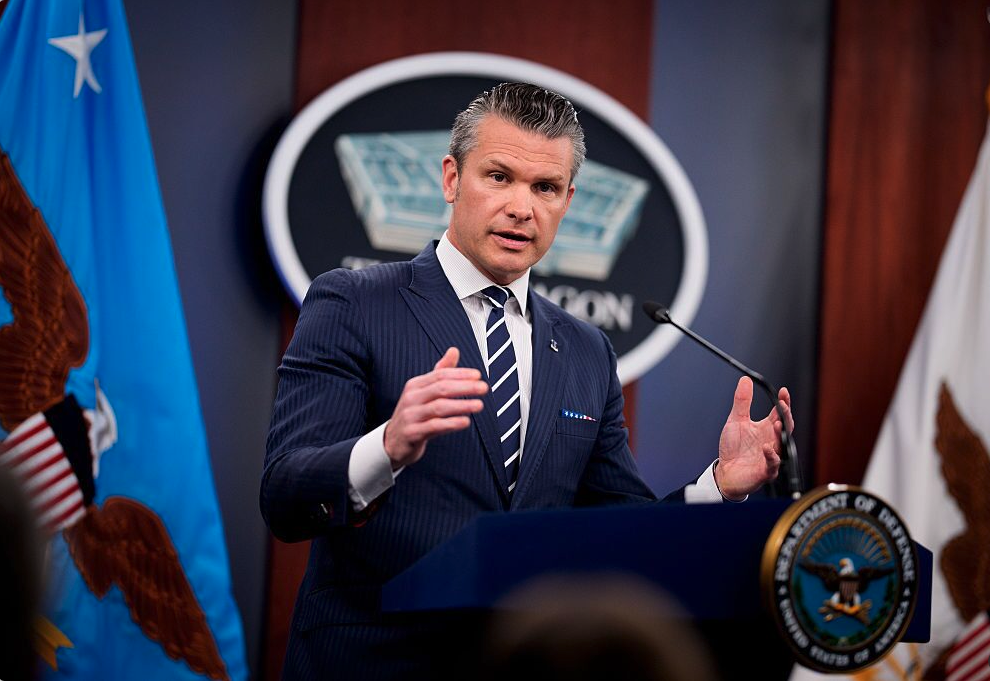
The United States is reassessing its commitment to NATO following tensions related to the conflict with Iran, as Defense Secretary Pete Hegseth declined to reaffirm Washington’s support for the alliance’s principle of collective defense.
The move comes after key European allies refused to side with the United States in its campaign against Iran.
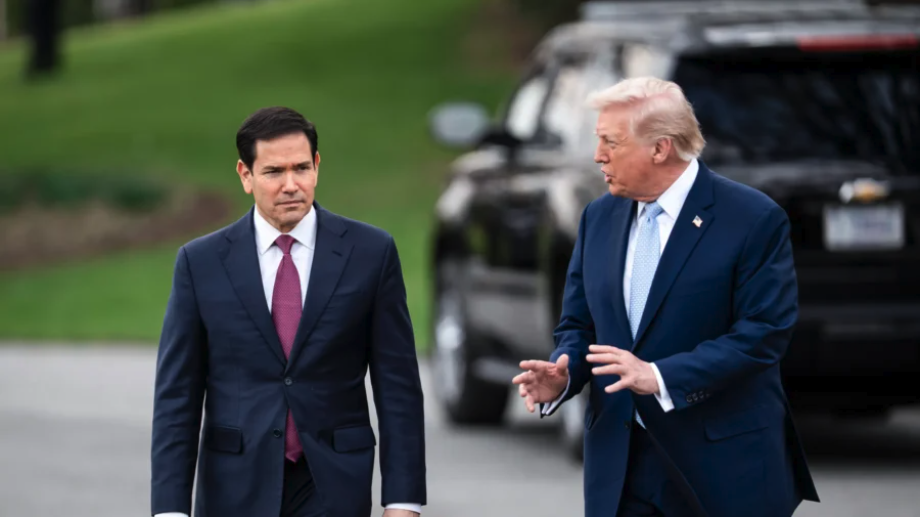
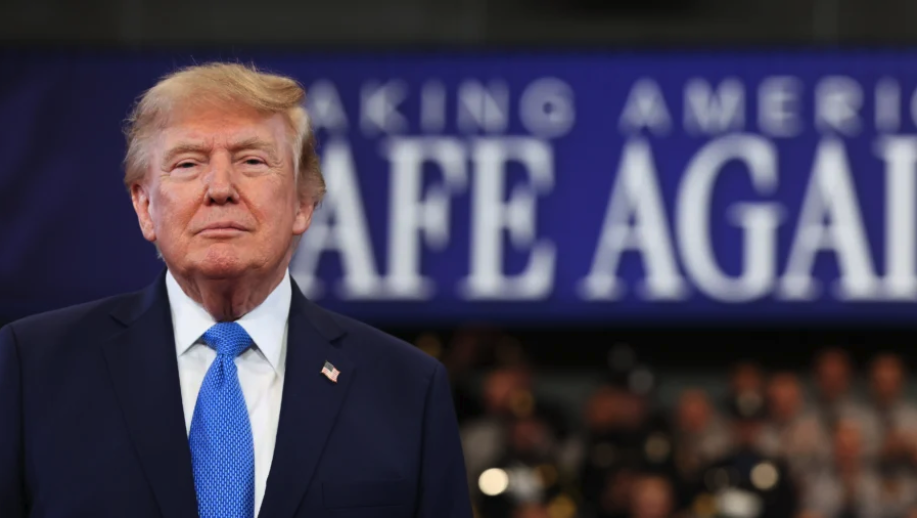
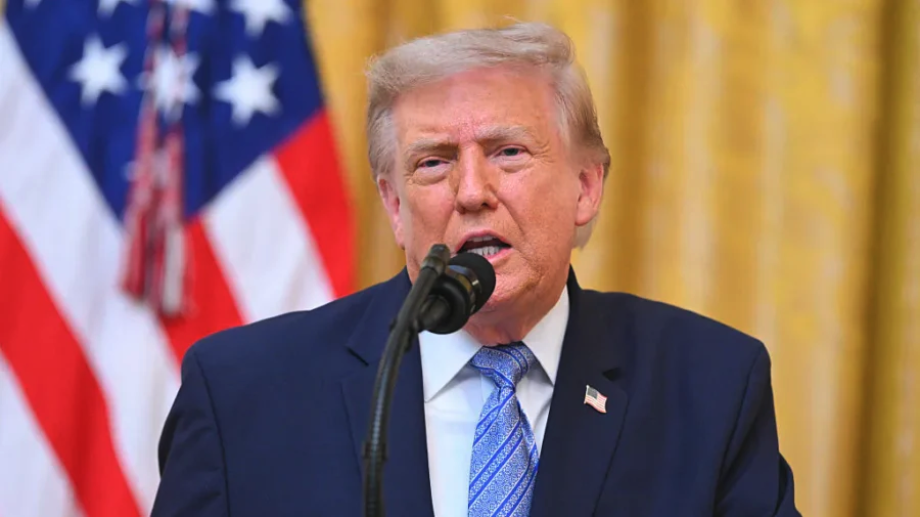
Hegseth emphasized that any decision on whether to continue defending Europe would ultimately depend on President Donald Trump.
The stance marks an unprecedented shift, directly challenging the alliance’s core value since 1949—mutual defense against threats, historically from Russia and the former Soviet Union.
Commentary: The End of the “Free Protection” Era
The policy reflects what is described as a long-overdue reality: prioritizing U.S. national interests and fairness within alliances.
For decades, the United States has spent trillions of dollars and sacrificed the lives of its soldiers acting as a “global police force,” particularly in defending NATO. In return, it has often faced criticism or indifference from allies when U.S. support was needed, including during the current Iran campaign.
European nations, the argument continues, must now take greater responsibility for their own security. Benefiting from the U.S. nuclear umbrella while declining to stand alongside Washington in times of conflict is portrayed as untenable.
Rather than relying on the United States, NATO members are urged to contribute at least 50 percent of their own defense budgets to counter threats from Russia.
The potential withdrawal of U.S. commitment is framed not as a betrayal, but as a necessary test—one that underscores that American protection is a privilege based on mutual cooperation, not an automatic or indefinite obligation.
An alliance, the commentary concludes, only retains its value when all parties contribute. If European nations choose not to support U.S. operations, they should not expect unilateral protection from Washington against potential threats from Russia.