

President hints at possible military involvement while negotiations unfold, as Cuba grapples with economic crisis and ongoing talks to avoid confrontation
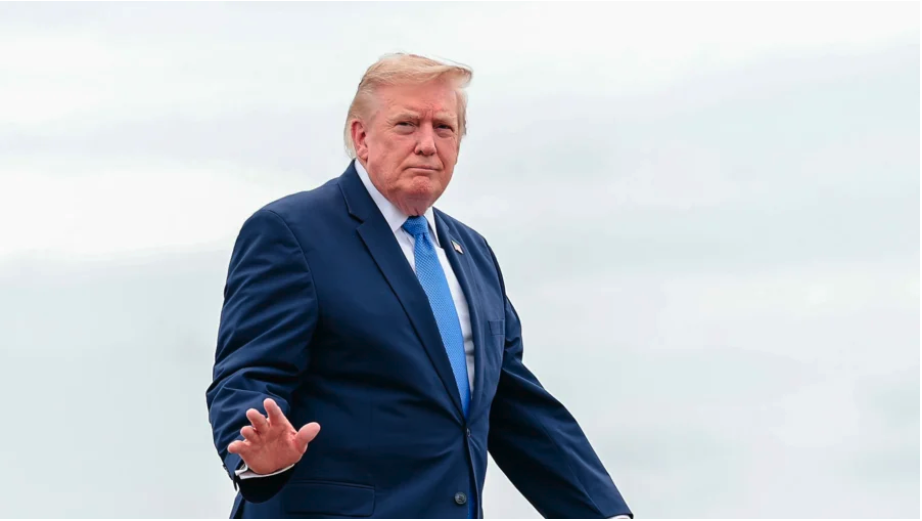
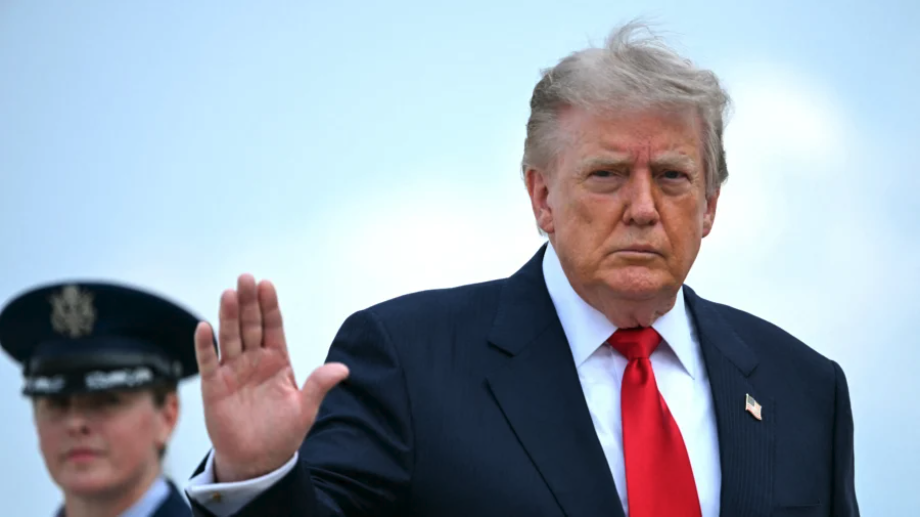
President Donald Trump has again suggested that U.S. military action against Cuba could be imminent, as his administration continues to apply economic pressure on the communist-ruled island.
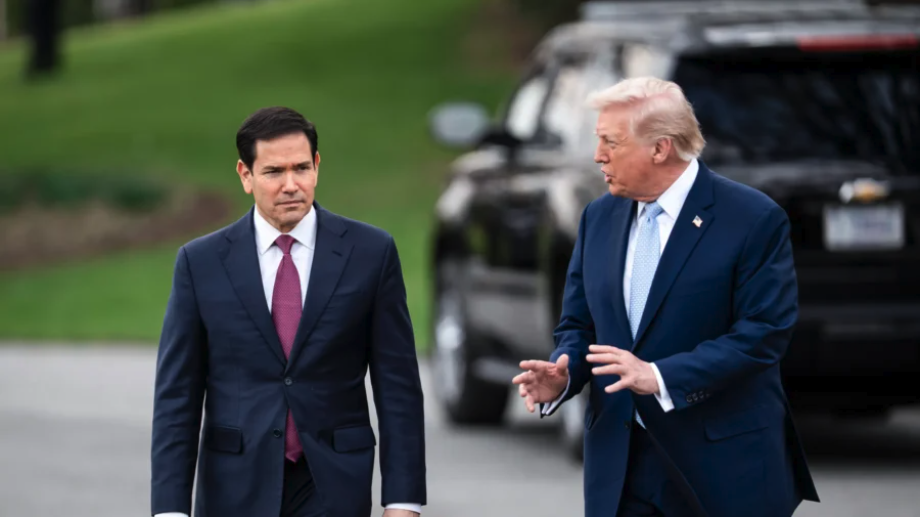
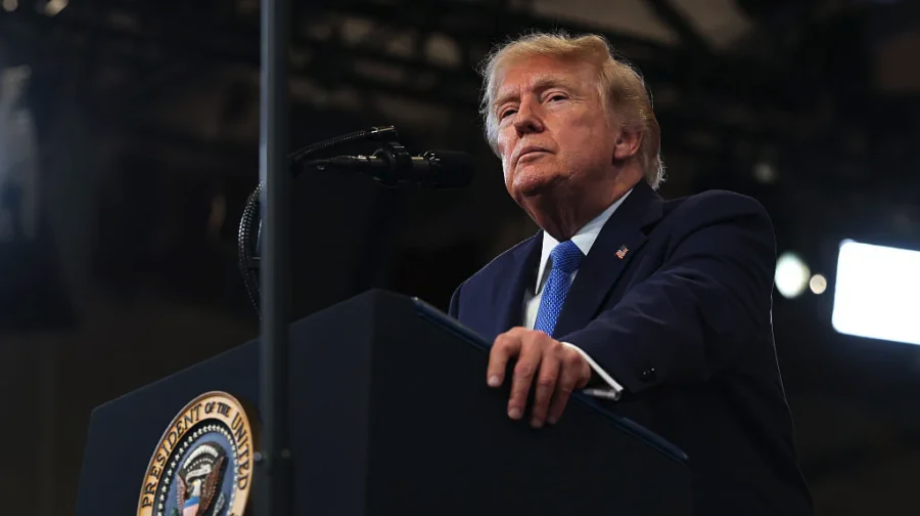
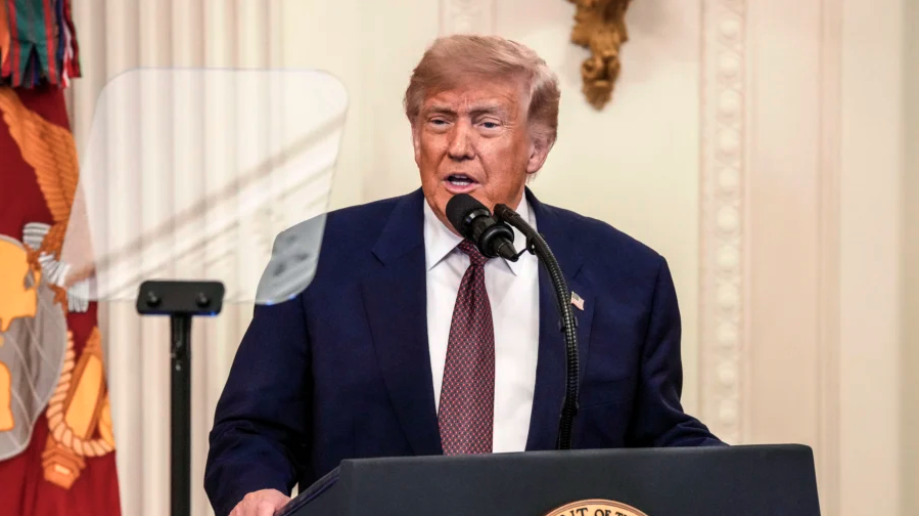
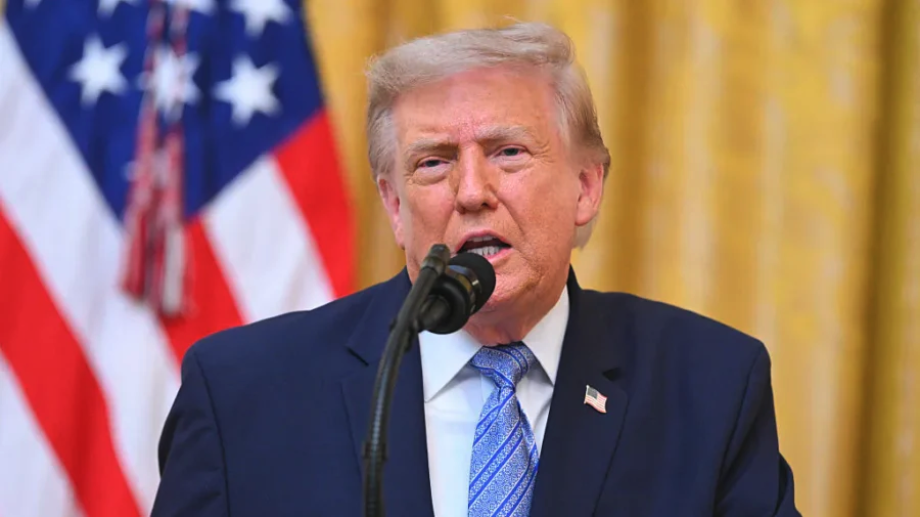
Speaking at the Future Investment Initiative summit in Miami on March 27, Trump said, “I built this great military. I said, ‘You’ll never have to use it.’ But sometimes you have to use it. And Cuba is next by the way.” He then added, “But pretend I didn’t say that. Pretend I didn’t,” before repeating, “Cuba’s next.”
The remarks come as the administration has recently opened negotiations with elements of Cuba’s leadership, while the president has previously hinted that military action could be a possibility.
Cuban leader Miguel Díaz-Canel has acknowledged that the country is engaged in talks with the United States in an effort to avert potential military confrontation. Cuba’s economy has been severely affected by disruptions in oil imports, which are critical for powering electricity generation and transportation systems.
In a public address, Díaz-Canel said the purpose of the discussions is “to determine the willingness of both parties to take concrete actions for the benefit of the people of both countries,” following Cuba’s announcement that it would release 51 prisoners.
Prior to the U.S. operation to capture then-Venezuelan leader Nicolás Maduro in January, Venezuela had supplied much of Cuba’s oil needs. However, the new government in Caracas has since halted those shipments.
Earlier in March, Trump suggested that Cuba could be subject to a “friendly takeover,” before adding, “It may not be a friendly takeover.”
“They have no money. They have no anything right now,” Trump said outside the White House in February. “Maybe we’ll have a friendly takeover of Cuba.”
Trump has also stated that he intends to shift focus to Cuba once the U.S. military operation in Iran concludes.
“We could do them all at the same time,” he said on March 6. “But bad things happen. If you watch countries over the years, you do them all too fast, bad things happen.”
Cuba has been a long-standing adversary of the United States, despite periods of limited engagement. Washington has maintained a trade embargo on the island for decades, restricting U.S. businesses from operating there, in part due to Cuba’s role in the 1962 Cuban Missile Crisis.
Díaz-Canel, 65, assumed leadership in 2021 following the resignation of Raúl Castro, whose brother Fidel Castro led the country from 1959 to 2011. Fidel Castro died in 2016.
In January, Nicolás Maduro was brought to the United States during a military operation and now faces federal drug-related charges. During an initial court appearance two months ago, Maduro and his wife, Cilia Flores, pleaded not guilty.
Since then, the United States has moved to reopen trade with Venezuela, including easing sanctions on the country’s state-run oil sector. The U.S. Treasury Department also issued a license in February for the exploration, development, and production of oil and gas resources in Venezuela.