

U.S. president claims internal divisions in Tehran as some officials quietly pursue a deal while fearing assassination, amid ongoing military campaign and conflicting signals from Iran
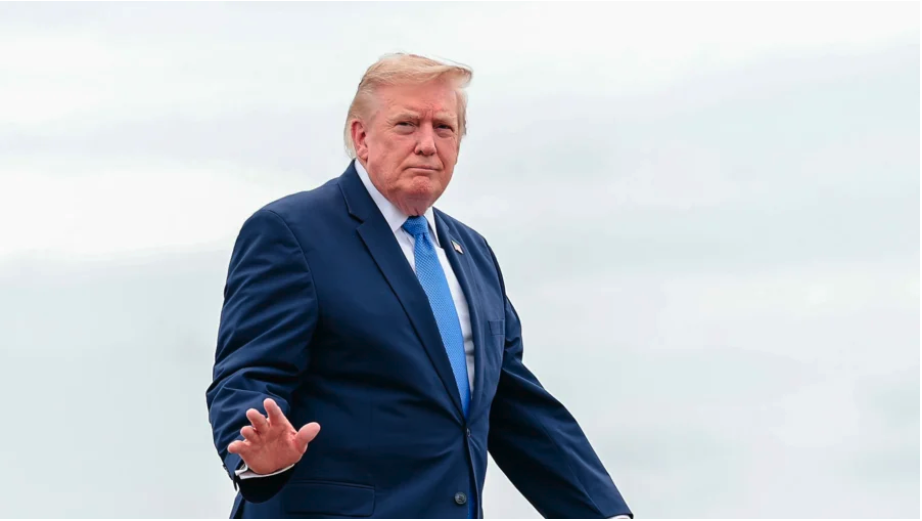
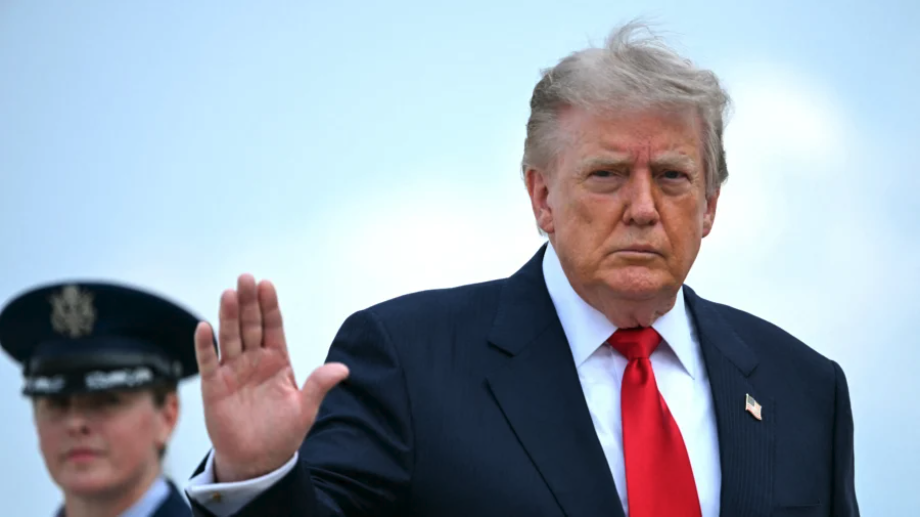
Thursday, March 26, 2026 — President Donald Trump said Wednesday evening that some Iranian officials are quietly seeking negotiations with the United States to end the conflict but are reluctant to do so publicly out of fear of retaliation from hardliners within their own country.
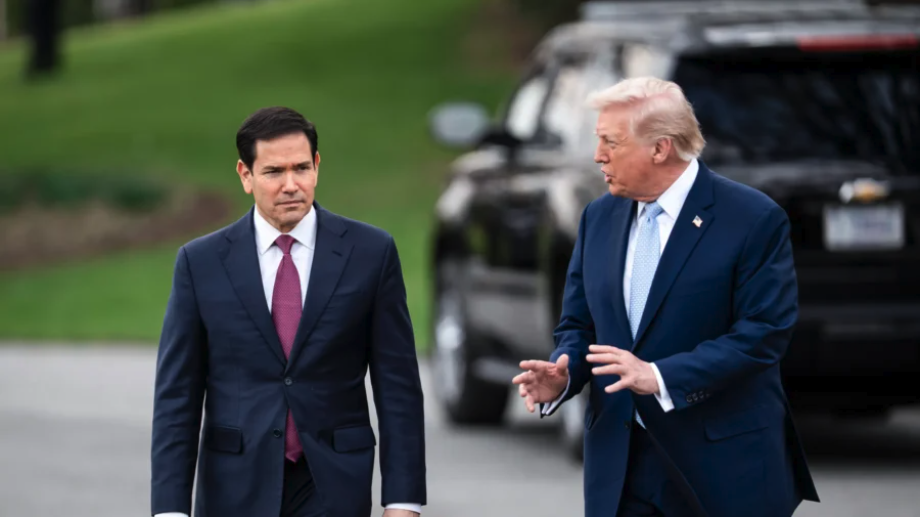
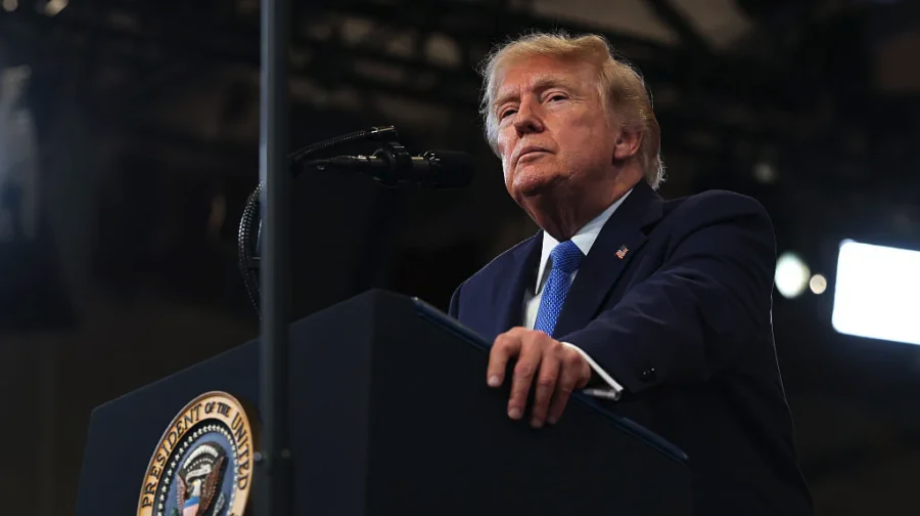
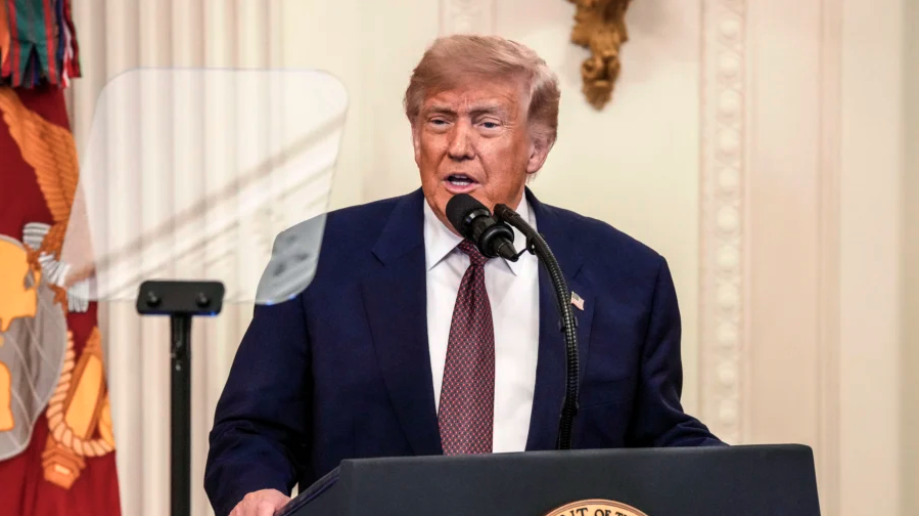
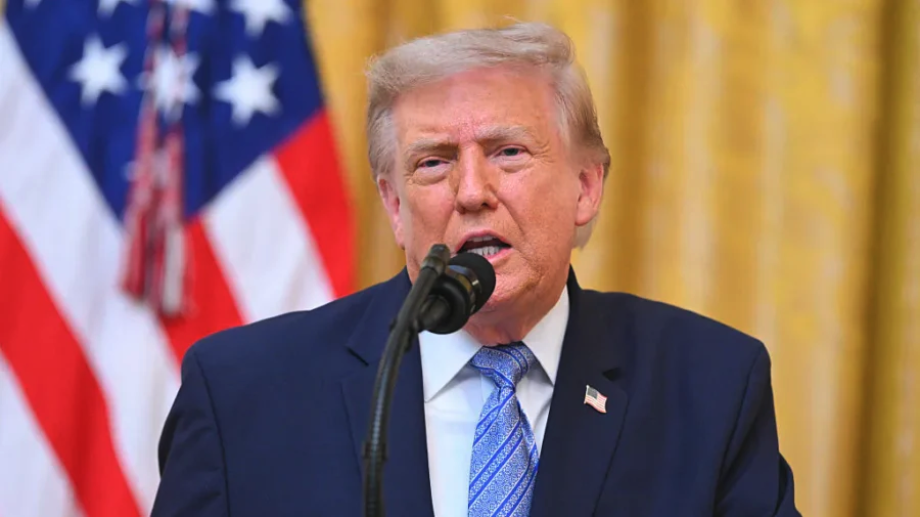
Speaking at a fundraising event for the National Republican Congressional Committee (NRCC), Trump told Republican lawmakers and donors that although Tehran continues to project a hardline stance externally, “some officials internally” have shifted their position and “very much want a deal.” However, he said they fear that appearing to concede could lead to reprisals from hardliners, while also worrying about becoming targets of potential U.S. or Israeli “decapitation” strikes.
Earlier, White House Press Secretary Karoline Leavitt confirmed that Washington continues to maintain “constructive exchanges” with Iran, while warning that “President Trump is not bluffing—he is ready to ‘unleash hell’ if Tehran miscalculates again.”
Trump compared Iran’s pursuit of nuclear weapons to a “cancer,” describing the current military campaign as a necessary “surgical operation” and suggesting it is not yet complete. “What we have to do is cut out the tumor. That tumor is a nuclear-armed Iran. We’ve cut it out, now we have to finish the job,” he said. He also sought to reassure concerns over economic volatility caused by the conflict, stating he is willing to accept short-term shocks in energy prices and stock markets in exchange for long-term national security.
On the legal front, Trump explained that he has deliberately avoided using the term “war” to sidestep the need for formal congressional authorization, instead referring to the situation as a “military operation” and even a “military decimation.”
He also linked the conflict with Iran to the upcoming midterm elections, calling it a “stark reminder of what is at stake,” and asserting that if Democrats had won the 2024 election, “our country would already be in decline.” He pledged to campaign for Republican candidates to expand majorities in both the House and Senate.
During his remarks, Trump cited recent comments by former Secretary of State Antony Blinken at a forum at Harvard as evidence that the previous administration had “missed its opportunity” with Iran. Blinken acknowledged in a discussion with New York Times journalist David Sanger that political considerations, particularly the 2022 midterm elections, had complicated efforts to reach a “longer and stronger” nuclear deal with Tehran, stating that “sometimes politics really gets in the way.” He added that he wished such a deal had been achieved and admitted that at times the White House had to “wait for the right moment” due to domestic political pressure, while Iran ultimately “did not concede enough” for a viable agreement.
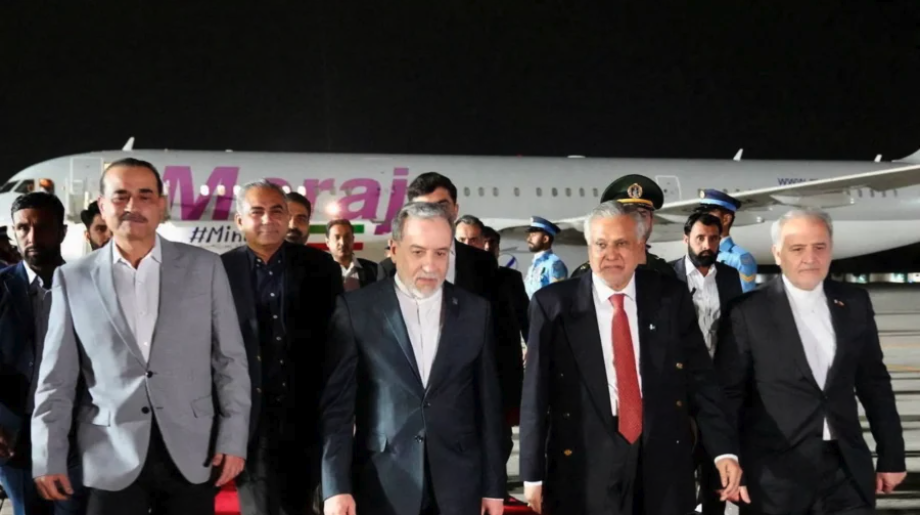
While Trump maintains that communication channels are progressing, Iran has continued to publicly deny negotiations. Iranian Foreign Minister Abbas Araghchi said the United States had conveyed “peace proposals” through intermediaries but stressed that “this is not dialogue, nor is it negotiation,” and affirmed that Tehran currently has “no intention to negotiate.”
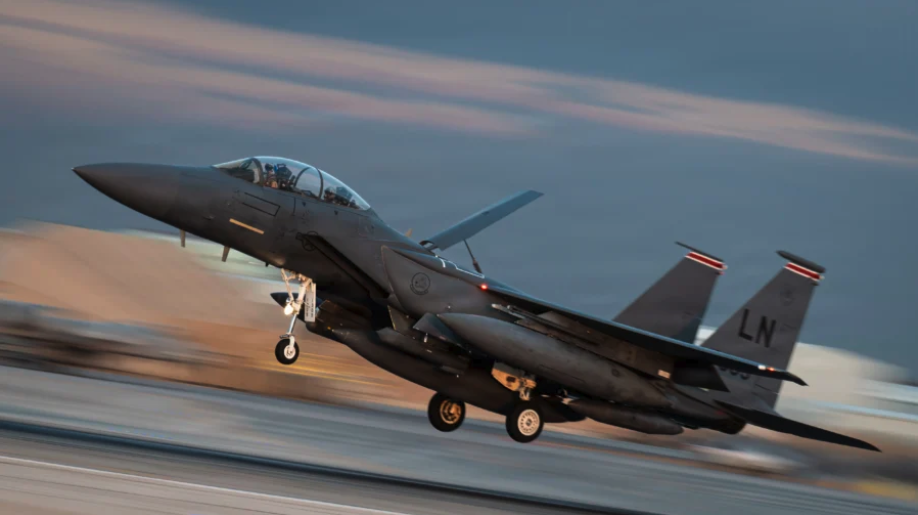
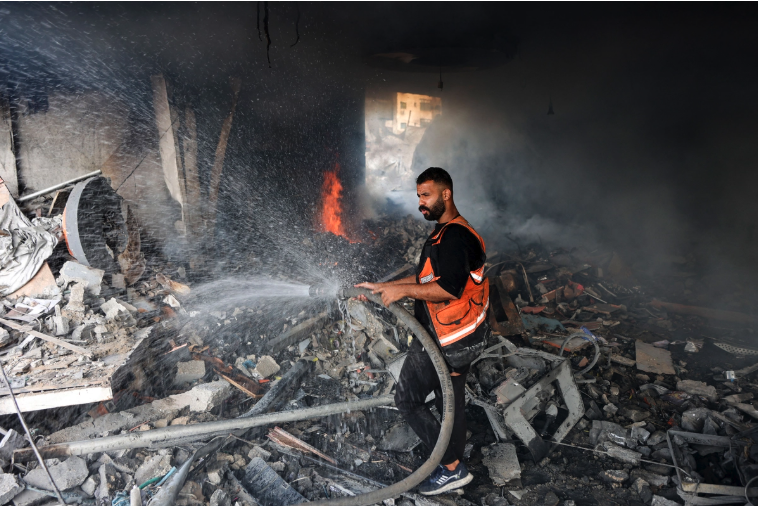
On the military front, U.S. Central Command (CENTCOM) Commander Admiral Brad Cooper said Operation “Epic Fury” is “on track or exceeding planned objectives.” To date, U.S. forces have struck more than 10,000 military targets in Iran, destroying 92% of the country’s major naval vessels—previously used to harass shipping in the Persian Gulf—as well as numerous missile sites, drone facilities, and shipyards. He assessed that Tehran has “lost significant capability to project naval power regionally and globally.”