

Trump has signaled progress toward an Iran deal and paused energy strikes, but Tehran has denied any talks.
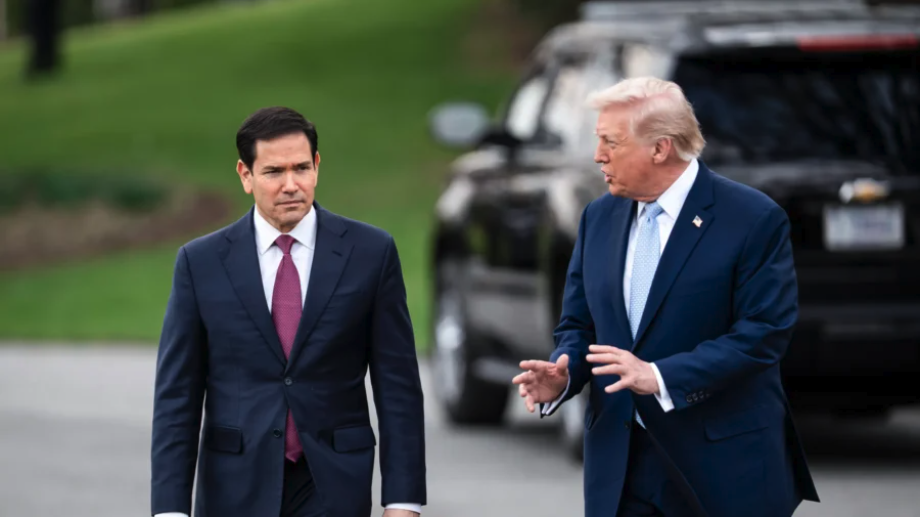
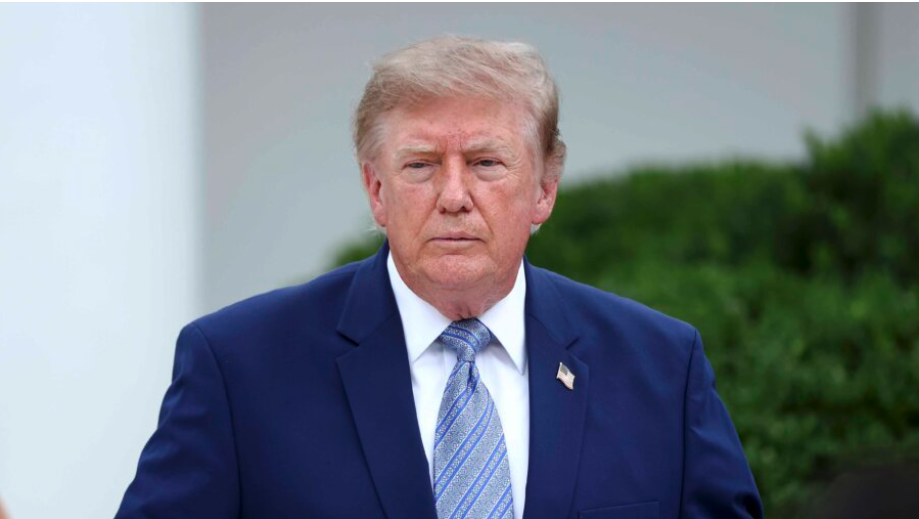
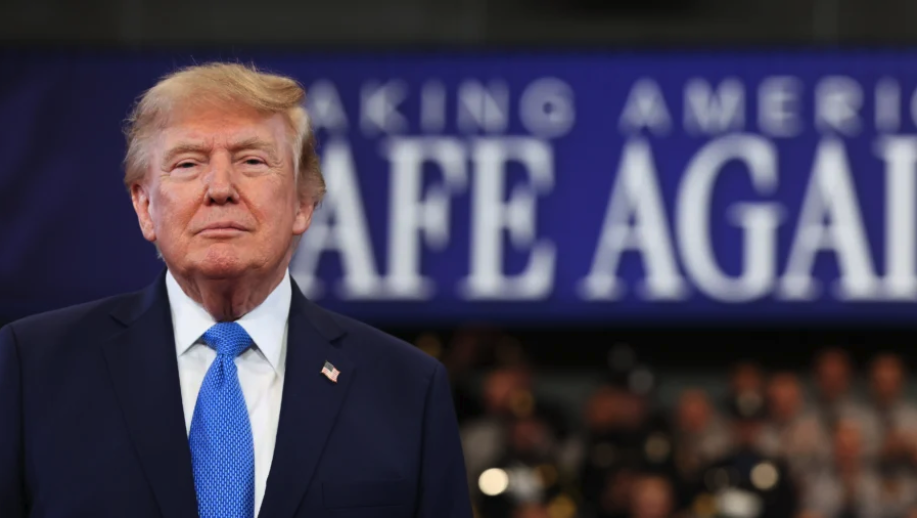
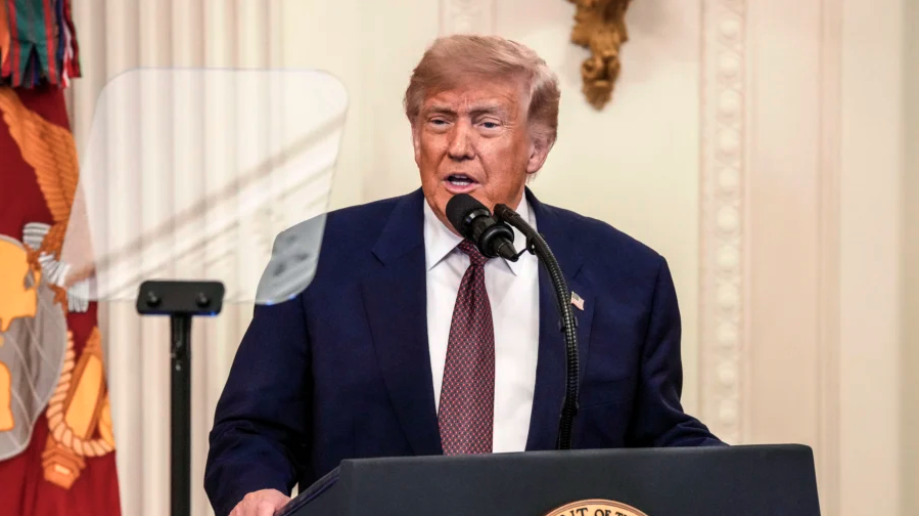
U.S. President Donald Trump said on March 23 that Washington and Tehran had reached “major points of agreement” in talks to end the war, even as Iranian officials denied negotiations and voiced skepticism.
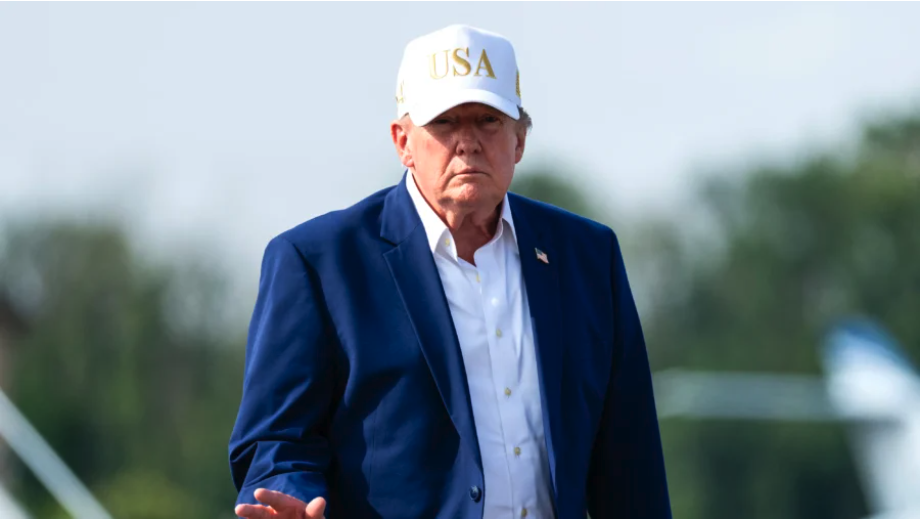
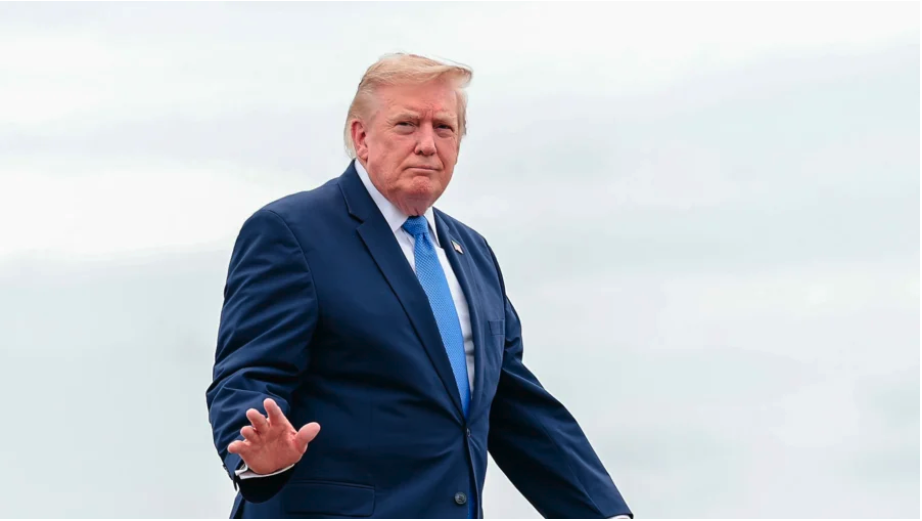
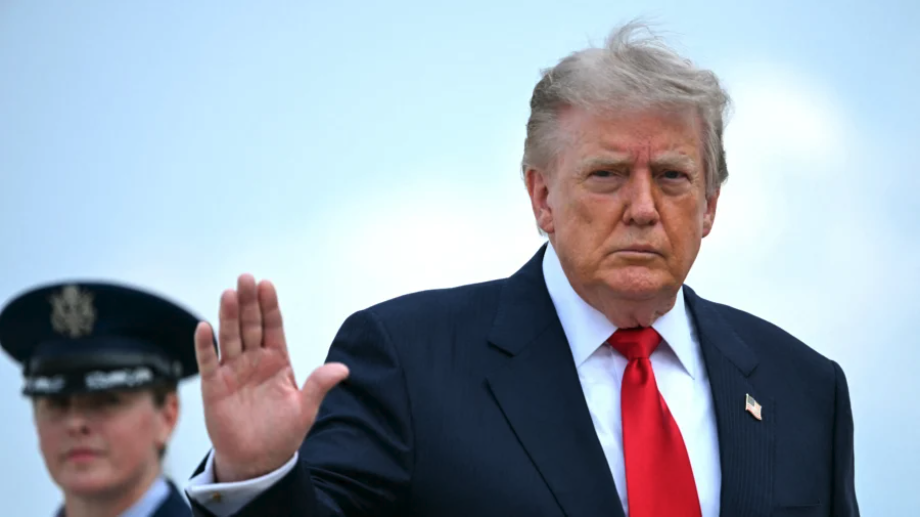
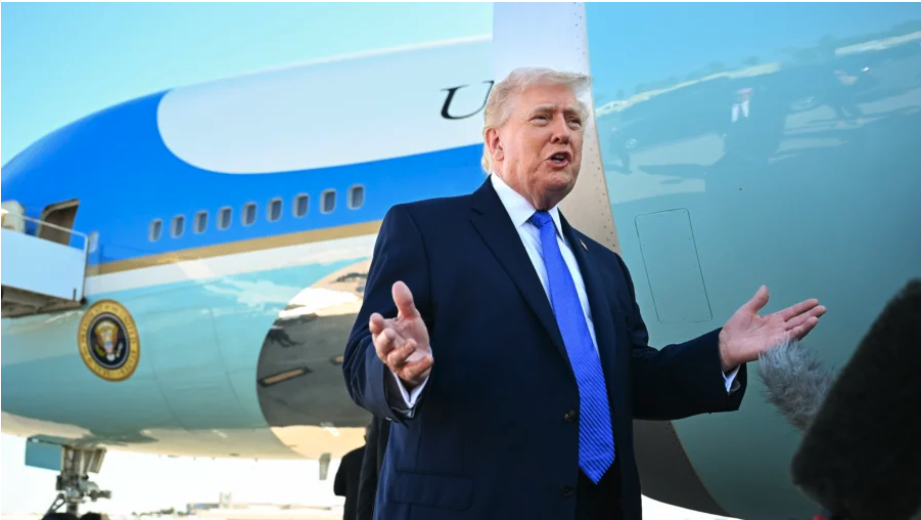
Speaking to reporters before departing Florida for Memphis, Trump said discussions held over the past two days had been “very, very strong” and suggested that a breakthrough could be imminent.
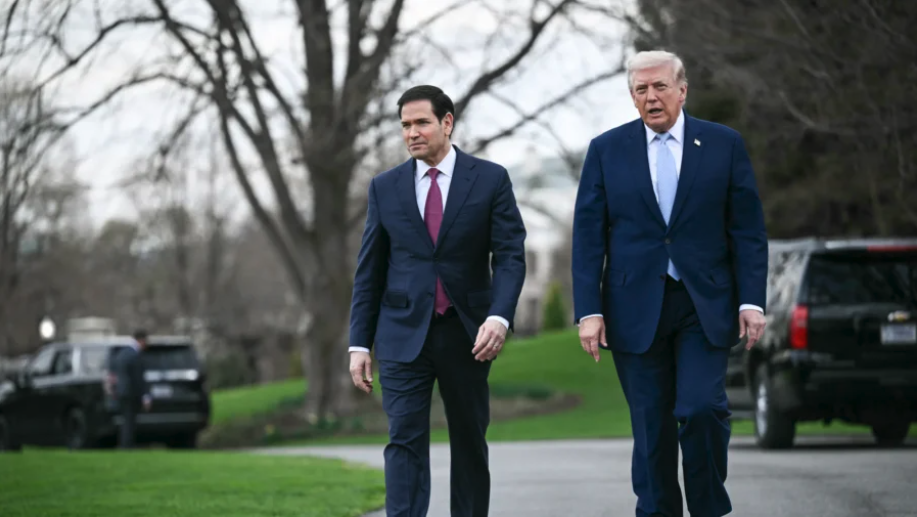
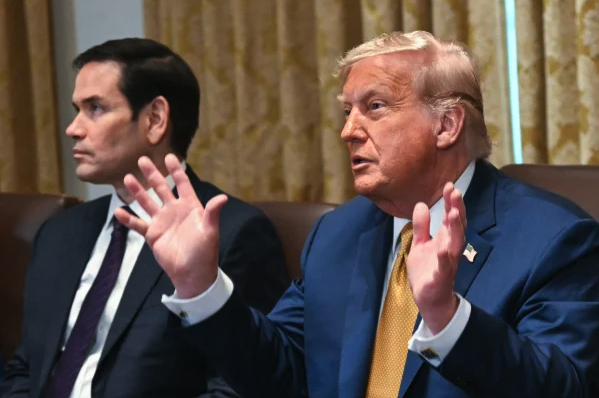
“We have had very, very strong talks. We'll see where they lead. We have points, major points of agreement, I would say, almost all points of agreement,” Trump said, adding that U.S. special envoy to the Middle East Steve Witkoff and senior adviser Jared Kushner had conducted the talks with Iranian counterparts.
“All I'm saying is, we are in the throes of a real possibility of making a deal,” he stated.
Trump declined to specify which Iranian officials were involved but said the United States was not dealing directly with Iran’s supreme leadership.
“We’re dealing with the man who I believe is the most respected and the leader,” he said, adding that Iran “had some leaders left.”
The remarks marked the most optimistic assessment yet from Washington since hostilities erupted at the end of February, with the war now entering its fourth week and threatening broader regional escalation, including disruption to global energy supplies.
Senior Israeli political sources in Jerusalem told Epoch Magazine Israel that the United States informed Israel in advance of the contacts and Trump’s decision to delay further escalation, asking Israel to refrain from striking Iranian power plants and infrastructure during the five-day window.
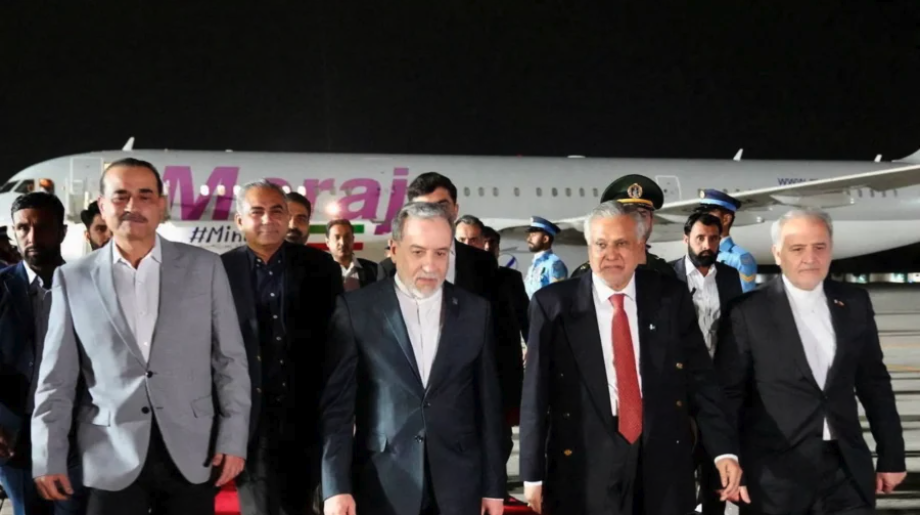
The sources said Egypt, Turkey, and Pakistan worked behind the scenes to mediate between Washington and Tehran, with Pakistan serving as the lead intermediary. They added that while U.S. contacts were handled by Witkoff and Kushner, Israeli officials believed Iran’s side may have been represented by Parliamentary Speaker Mohammad Bagher Ghalibaf, a senior civilian figure closely aligned with the Islamic Revolutionary Guard Corps (IRGC), which currently holds significant influence.
However, Iranian officials and diplomatic missions quickly pushed back, signaling skepticism and denying that any negotiations were underway.
“There have been no talks with the US so far. Our position on the Strait of Hormuz has not changed,” the Iranian Embassy in South Africa said in a statement on social media on March 23.
Another post from the Iranian Embassy in Pakistan suggested that calls for negotiations could be a tactical move, referencing past episodes in which diplomatic overtures coincided with military strikes.
“June 2025: Amidst negotiations → Strike. February 2026: Amidst negotiations → Strike. March 2026: Call for negotiations → you guess …,” the embassy wrote on X.
Iran’s semi-official Mehr News Agency, citing a foreign ministry statement, said Trump’s claims aimed to “buy time” for U.S. military planning while also helping to ease pressure in global energy markets.
Ghalibaf said in a post on X that no negotiations had taken place, describing Trump's remarks as "fake news" calculated to manipulate markets and "escape the quagmire in which the US and Israel are trapped."
Despite the conflicting narratives, markets reacted swiftly, with oil prices retreating and stocks advancing on hopes that tensions could ease.
Markets Rally as Trump Pauses Energy Strikes
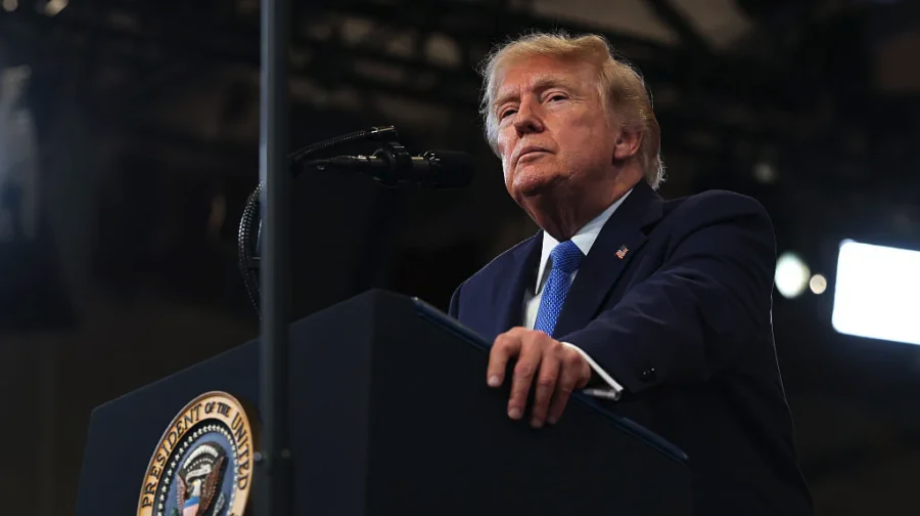
In a post on Truth Social earlier on Monday, Trump said the two sides had held “very good and productive conversations” regarding a “complete and total resolution” of hostilities and that talks would continue throughout the week.
He said he had instructed the Department of War to postpone planned strikes on Iranian power plants and energy infrastructure for five days, contingent on progress in negotiations.
The announcement triggered sharp moves across global markets. Oil prices fell, equities rallied, and U.S. government bond yields eased as investors priced in a reduced risk of further escalation.
Brent crude dropped by more than 8 percent to roughly $101 a barrel by around 11:50 a.m. ET on Monday, while U.S. West Texas Intermediate fell by about 8 percent to roughly $90. Earlier in the session, crude had plunged by nearly 11 percent before paring losses.
U.S. stocks surged, with the Dow Jones Industrial Average jumping more than 1,200 points at its peak before trimming gains to around 765 points. The Nasdaq Composite and S&P 500 also rallied strongly before giving back part of their advances.
Treasury yields edged lower, with the benchmark 10-year yield slipping below 3.8 percent and the 30-year yield falling to about 4.94 percent.
Trump told Fox Business that talks involving Witkoff and Kushner had taken place on Sunday night and suggested that a deal could be reached within five days.
The diplomatic push comes after Trump had issued a 48-hour ultimatum over the weekend, demanding that Iran fully reopen the Strait of Hormuz, a critical global energy chokepoint through which roughly a fifth of the world’s oil and liquefied natural gas flows.
Iranian actions have effectively disrupted shipping through the strait, intensifying concerns about global supply and triggering sharp price swings.
Tehran Threatens Retaliation as Strikes Continue
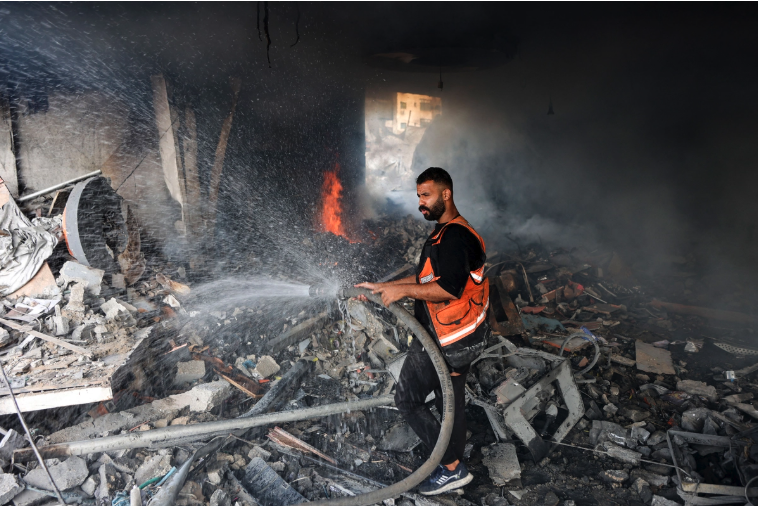
Despite the tentative diplomatic signals, military operations continued across the region.
The Israeli military said it had launched a new wave of strikes targeting infrastructure in Tehran.
“The IDF has just begun another wave of strikes targeting infrastructure of the Iranian terror regime across Tehran,” the Israel Defense Forces said in a post on X, with the Israeli air force confirming additional operations shortly afterward.
Iran has warned that any U.S. or Israeli attack on its energy infrastructure would prompt sweeping retaliation.
Over the weekend, the speaker of Iran's parliament said that Iranian forces would target energy facilities across the region if Iranian power plants were struck, warning that such sites would be “irreversibly destroyed.”
He also issued a broader threat against financial entities linked to U.S. government financing.
“U.S. treasury bonds are soaked in Iranians’ blood. Purchase them, and you purchase a strike on your HQ and assets,” Ghalibaf said in a post on X.
Iran has also warned that a land invasion would lead to the entire Persian Gulf being cut off by naval mines, not just a blockade of the Strait of Hormuz.
The sharp rhetoric has raised fears that the conflict could widen, drawing in more countries and disrupting the global economy.
From The Epoch Times