


Vice President points to partial advances in stalled Pakistan talks, underscores nuclear red lines and warns of maritime response following Strait of Hormuz tensions
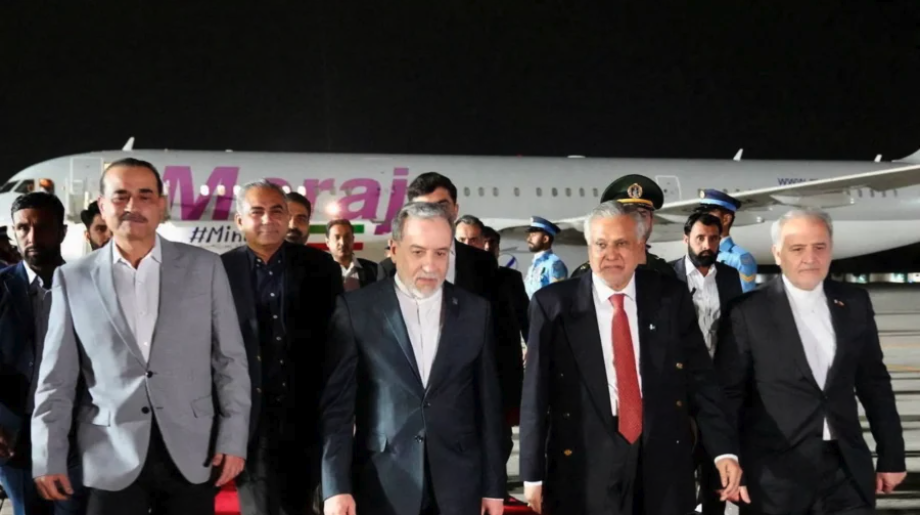
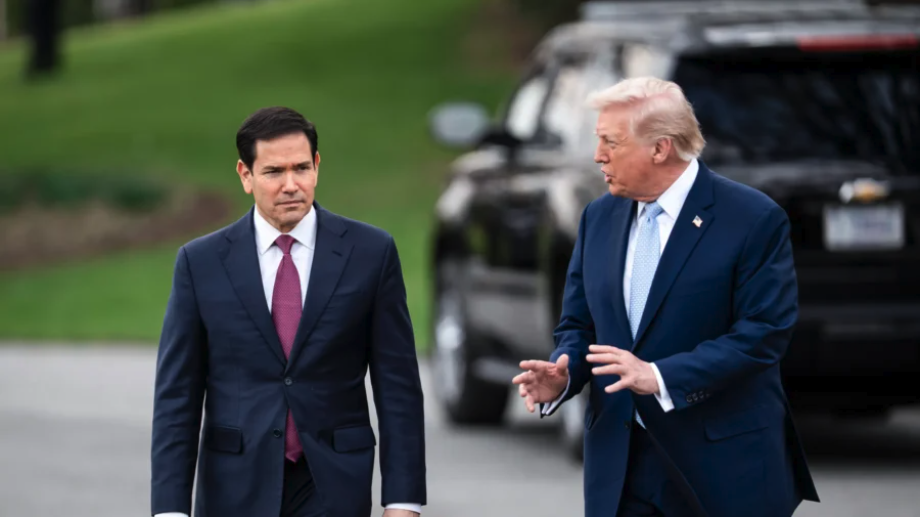
Vice President JD Vance said on April 13 that the United States has made “a lot of progress” in its peace proposal to Iran, leaving the Iranian regime to decide whether to move forward with peace or continue fighting after negotiations in Pakistan ended without an agreement.
In an interview with Fox News’s Special Report, Vance said the U.S. delegation departed Pakistan after 21 hours of talks because the Iranian side could not finalize a deal without approval from Iranian Supreme Leader Mojtaba Khamenei.
“I think the team that was there was unable to cut a deal, and they had to go back to Tehran, either from the supreme leader or somebody else, and actually get approval to the terms that we had set,” Vance said.
“Whether we have further conversations, whether we ultimately get to a deal, I really think the ball is in the Iranian court, because we put a lot on the table. We actually made very clear what our red lines were.”
He said those red lines are rooted in the “fundamental premise” of preventing Iran from developing nuclear weapons, which includes the United States taking possession of Iran’s enriched uranium and establishing a mechanism to ensure Tehran cannot enrich uranium.
“Those are really the two things where frankly the Iranians, I think, did make some progress. They moved in our direction, which is why I think we would say that we had some good signs. But they didn’t move far enough,” Vance said.
“So what we decided is, you know what? Given that we don’t think this current team and this current timeline is going to be able to make a deal, let them go back to Tehran, we’re going to go back to Washington, and that’s where we are today.”
Vance, who led the U.S. delegation, said that “a very good deal” benefiting both countries remains possible if Iran agrees to those conditions.
Iranian state media described the U.S. terms as excessive, citing disputes over Iran’s “nuclear rights” and its claim over the Strait of Hormuz—an assertion not recognized by the international community.
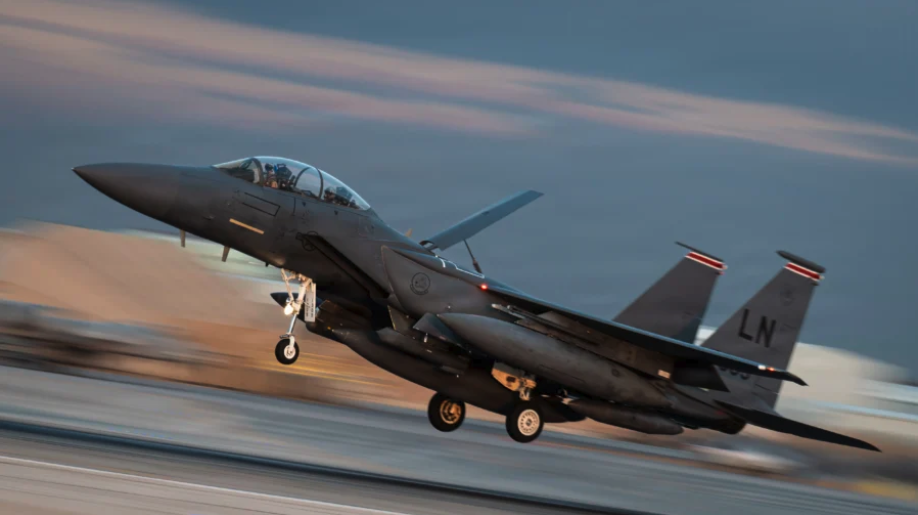
After the talks in Islamabad collapsed, U.S. President Donald Trump announced on April 12 that the U.S. Navy would enforce a blockade of ships in the Strait of Hormuz. U.S. Central Command said the measure is intended to block ship traffic entering and leaving Iranian ports.
The blockade took effect on April 13. The command stated that U.S. forces would not interfere with freedom of navigation for vessels transiting the waterway, provided those ships are not docking at Iranian ports.
Traffic through the strategic corridor for global oil and gas shipments has been disrupted since the United States and Israel launched strikes on Iran in late February. Iran responded with drone and missile attacks on Israeli and U.S. military assets across Gulf nations and deployed sea mines in the strait.
Vance said Iran’s actions to disrupt shipping constitute “economic terrorism,” adding that the United States would respond by preventing Iranian vessels from leaving their ports.
“As the president of the United States showed, two can play at that game. And if the Iranians are going to try to engage in economic terrorism, we’re going to abide by a simple principle that no Iranian ships are getting out either,” he said.