



Temporary halt signals coordinated buildup across land, sea, and air forces as Washington pursues negotiations while preparing for a decisive phase if talks fail
March 25, 2026 — The United States has announced a five-day pause in its attacks on Iran, a move seen as part of broader preparations for a coordinated land, naval, and air campaign aimed at ending the conflict should ongoing negotiations fail.
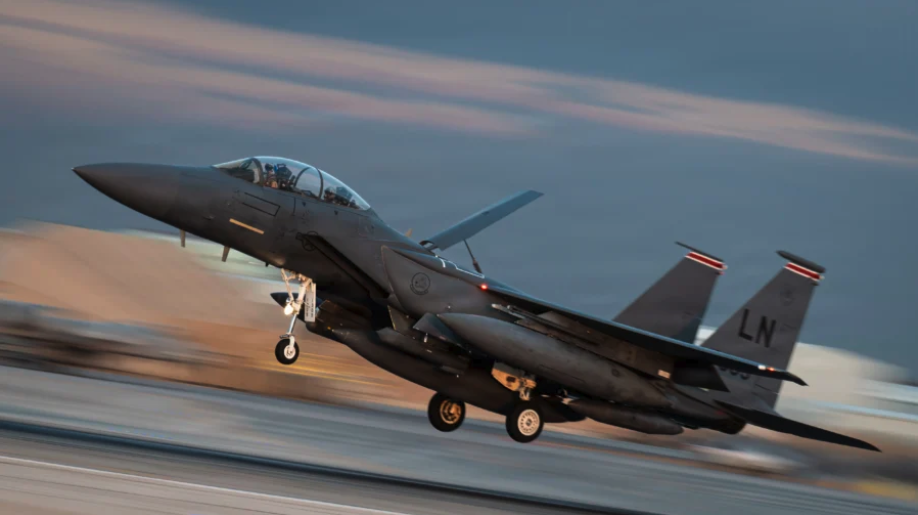
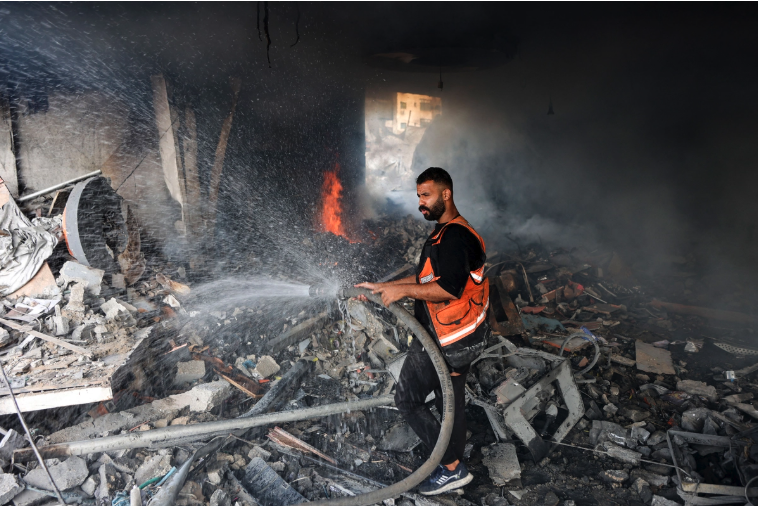
After more than 25 days of sustained operations, U.S. and Israeli forces have carried out thousands of strikes against Iran, including some of the largest operations ever conducted by American air and naval forces. Iran, once considered a dominant military power in the Middle East, has suffered extensive damage, with multiple branches of its armed forces effectively dismantled.
Despite these losses, Iran has continued to adopt an increasingly aggressive and defiant posture. While much of its remaining forces are believed to be sheltering in underground tunnel systems, its operational combat capability is assessed to be significantly diminished.
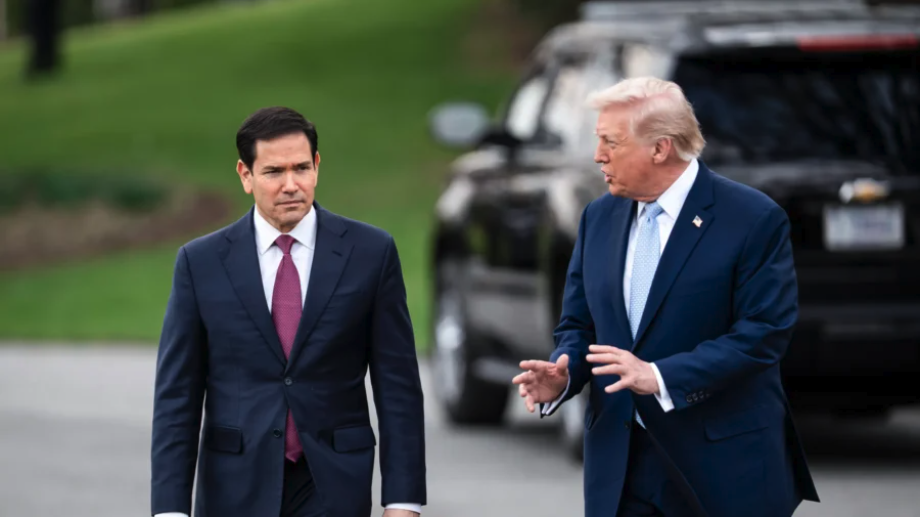
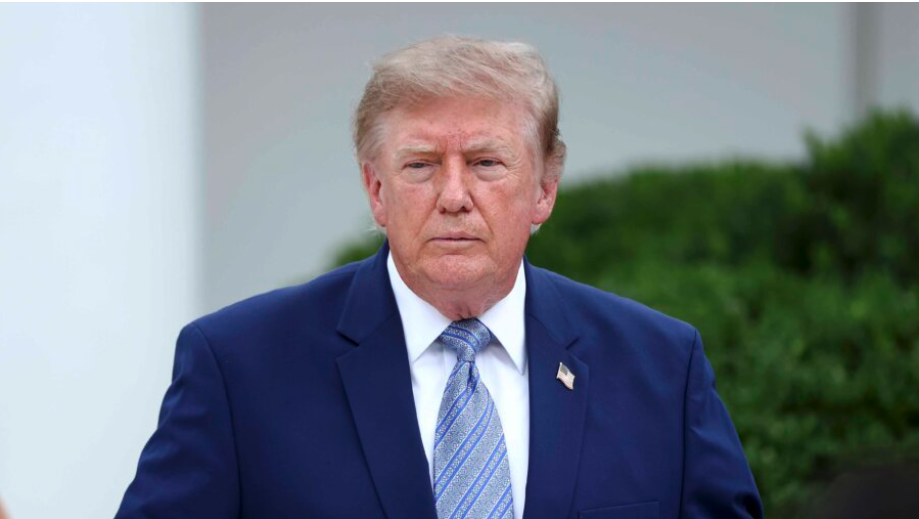
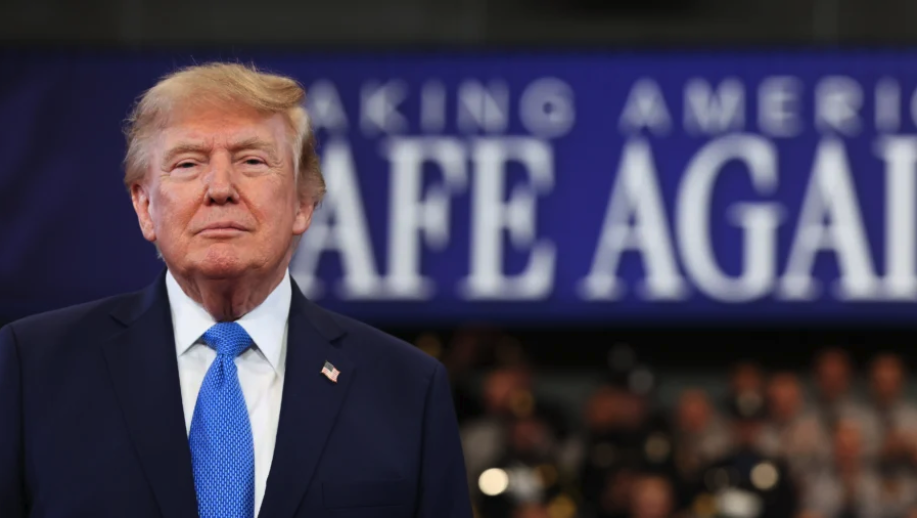
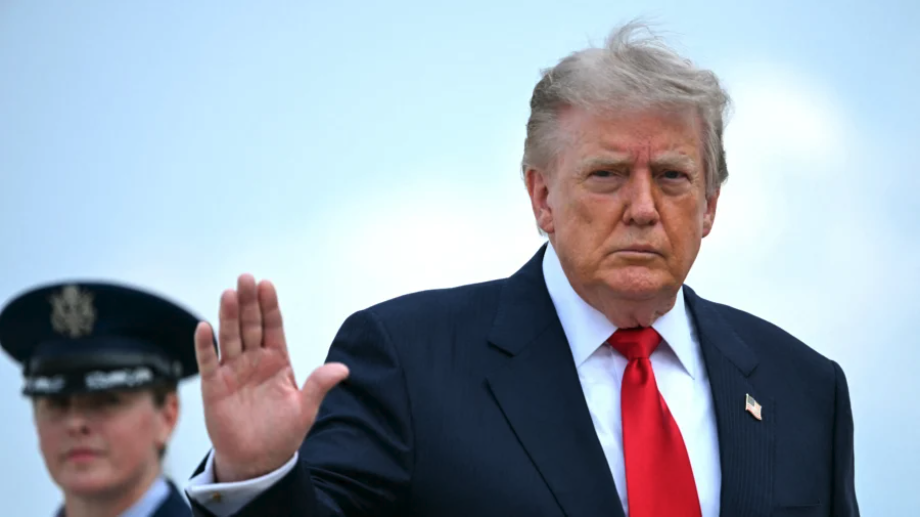
Amid concerns that Iran may attempt to reorganize its military forces and continue issuing threats across the Middle East and into Europe—while leveraging its oil resources as a strategic bargaining tool—President Donald Trump has pursued a dual-track approach aimed at forcing compliance with U.S. demands.
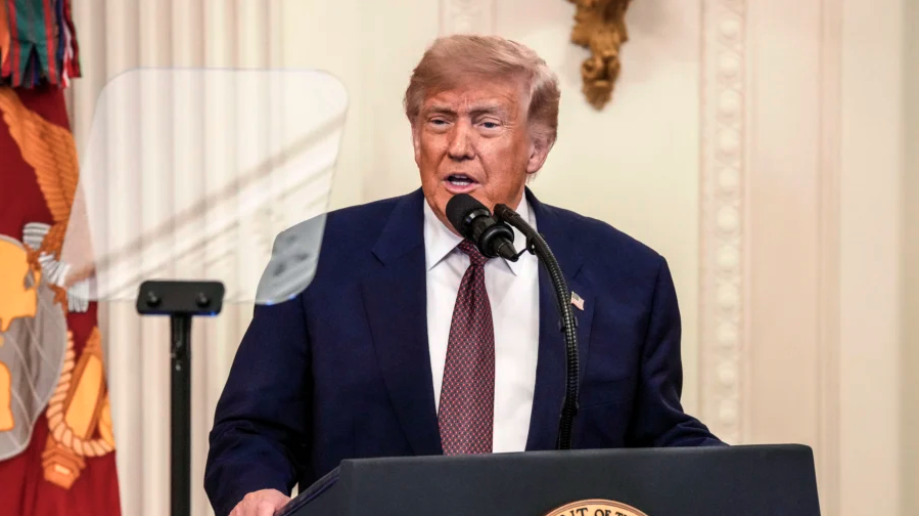
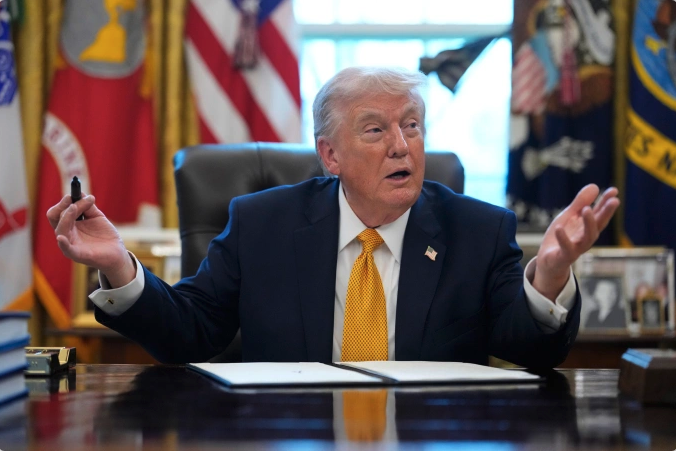
Trump has both called for and accepted negotiations, shifting from earlier demands for Iran’s unconditional surrender. The approach is viewed as a softer tactic intended to demonstrate goodwill and constructive intent toward Iran. However, the administration has signaled readiness to escalate if Tehran remains uncooperative.
Following extensive destruction of Iranian military infrastructure—including bases, depots, ports, airfields, and industrial facilities—remaining Iranian forces have retreated into fortified tunnel networks. This has required the U.S. and its allies to adjust their strategy, placing greater emphasis on ground operations to encircle, contain, and seize key objectives in a controlled manner to bring the conflict to a close.
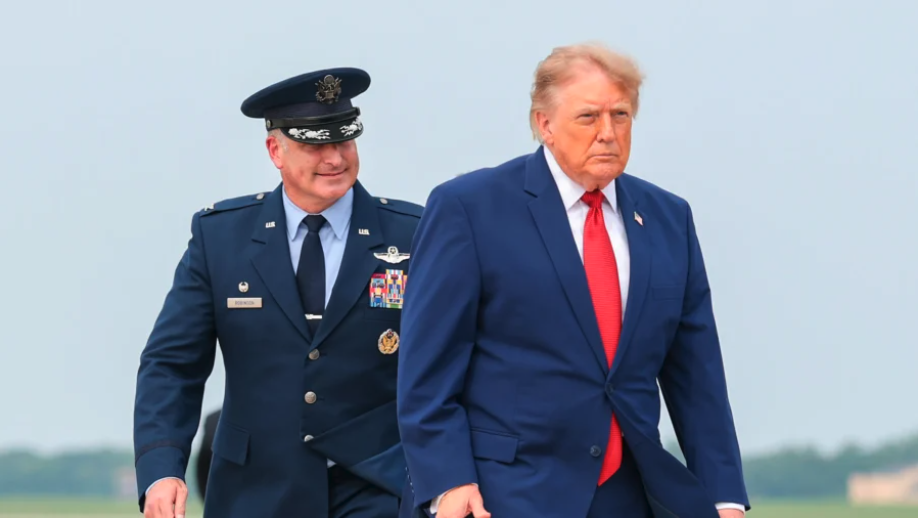
The temporary pause in fighting coincides with the mobilization of forces from 21 countries and four allied partners, all contributing troops, aircraft, missiles, and military equipment. The pause is intended to allow time for coordination, consolidation of command structures, and development of joint operational plans.
The five-day halt is also being used to establish a comprehensive logistical system to support tens of thousands of coalition troops in what is expected to be a decisive campaign. Particular focus is being placed on amphibious assault forces, offensive planning, reinforcement capabilities, and deep-strike operations—especially in the strategically sensitive and mountainous Hormuz region.
Iran’s current military position is described as increasingly untenable. With limited supplies and no viable ground reinforcements, its ability to sustain resistance is in question.
Along its 2,200-kilometer coastline, six naval bases have reportedly been destroyed, while coalition naval forces, including aircraft carriers and hundreds of warships, have imposed a comprehensive maritime blockade.
On land, Iran has received no external military support, and any attempt to mobilize forces is vulnerable to immediate destruction. In the air domain, Iran’s air force is no longer operational.
Under these conditions, questions remain about Iran’s capacity to continue fighting. While both sides maintain the right to make public declarations, the outcome of the conflict is expected to be determined by military strength on the battlefield.
Officials emphasize that a temporary pause in combat does not signal an end to the war but reflects necessary tactical adjustments based on evolving battlefield conditions.
The decision to suspend strikes on critical infrastructure such as electricity and water systems has also been described as appropriate, given the potential for severe humanitarian consequences.
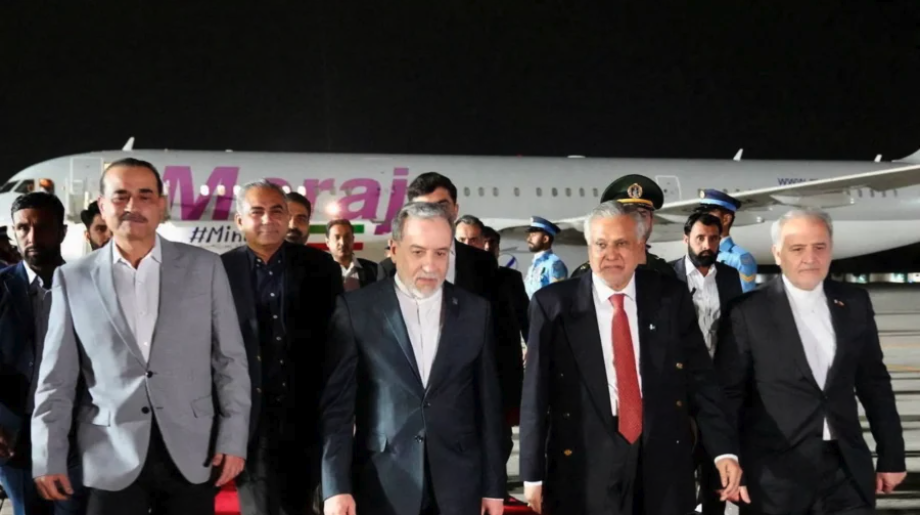
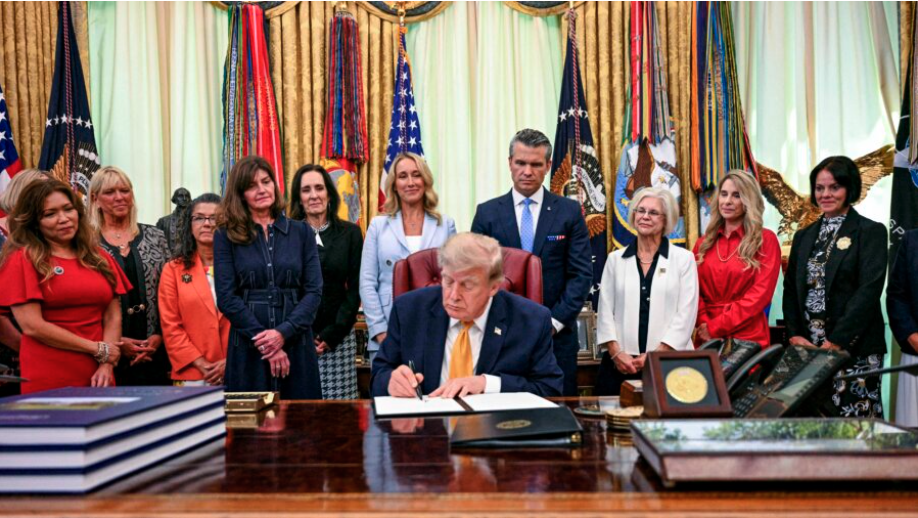
In the latest developments, the U.S. Vice President is leading ongoing negotiations, with expectations that the talks may yield positive results.