


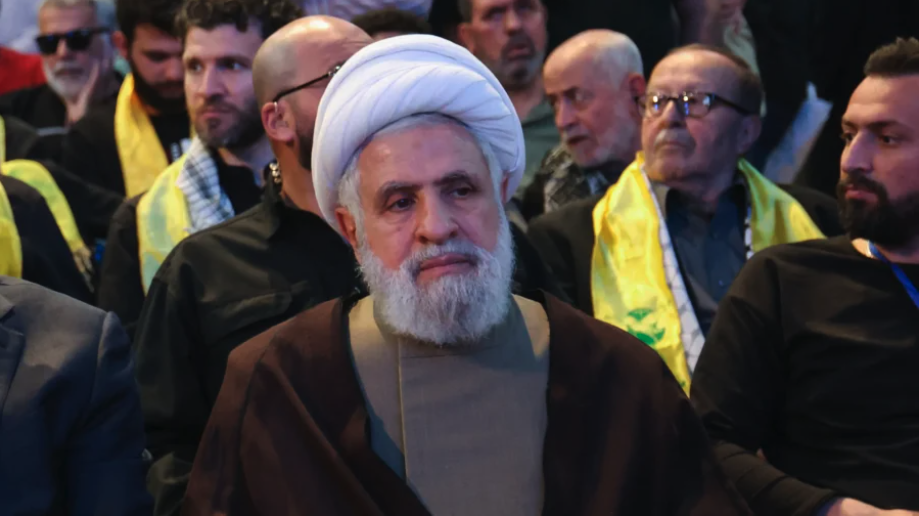
Leader Naim Qassem rejects return to status quo as regional tensions escalate and debate intensifies over whether truce applies to Israel–Hezbollah conflict
The leader of Lebanese militant group Hezbollah has declared that the organization will continue its fight against Israel, even as both sides exchange strikes this week following a U.S.-announced two-week cease-fire with Iran.
Hezbollah leader Naim Qassem said in an April 10 statement broadcast on Hezbollah’s Al-Manar TV that the group would not return to the previous status quo and signaled further escalation.
“Together—as a state, an army, a people, and a resistance—we will protect our country, restore its sovereignty, and expel the occupier,” he said.
“Their threats and weapons will not frighten us. We are the owners of the land; we possess the faith, will, and capability to prevent them from achieving their goals,” he added.
Qassem also urged Lebanese officials not to agree to what he described as “gratuitous concessions” to Israel’s government.
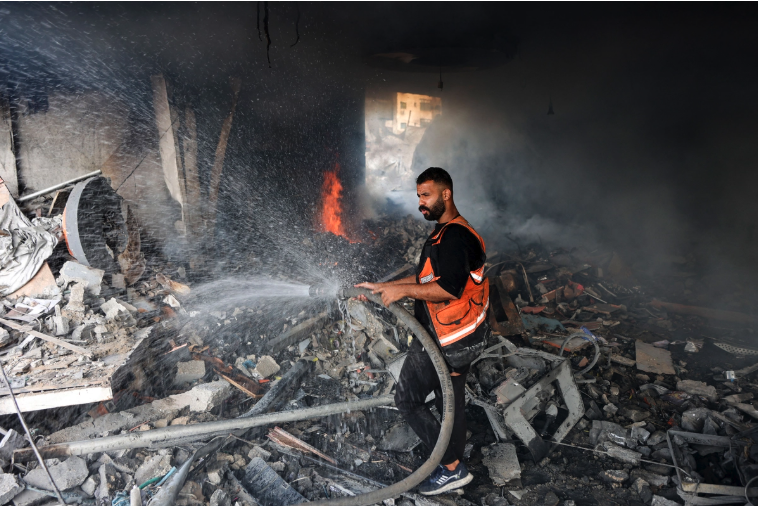
This week, the Israeli military reported targeting sites linked to Hezbollah—which is primarily based in southern Lebanon—and said it had killed an aide to Qassem. Hezbollah responded with missile launches into Israel following the strikes.
The latest escalation between Israel and Hezbollah followed joint U.S. and Israeli airstrikes against Iran on Feb. 28. Since the cease-fire between the United States and Iran was announced earlier this week, disagreement has emerged over whether the truce extends to fighting in Lebanon.
Iran has said the cease-fire does apply, while both the United States and Israel maintain that it does not. European leaders have called on Israel to halt its strikes in Lebanon after the agreement was reached.
Following the cease-fire announcement, the Israel Defense Forces said it carried out more than 100 strikes in Lebanon within 10 minutes, indicating that military operations would continue.
On March 2, two days after U.S. and Israeli strikes on Iran, Hezbollah launched missiles toward Israel, stating the attack was retaliation for the killing of Iranian leader Ali Khamenei and for what it called repeated Israeli aggression in Lebanon.
Over the past four decades, Israel and Hezbollah have fought multiple conflicts since the group’s formation in the 1980s as a guerrilla force opposing Israel.
Hezbollah has been widely linked to major attacks, including the 1983 suicide bombings at the U.S. Embassy in Lebanon and U.S. and French military barracks in Beirut, which killed more than 240 U.S. personnel and 58 French soldiers. The group has also been associated with a 1996 bombing at a housing complex in Saudi Arabia that killed 19 U.S. Air Force personnel.
Renewed fighting between Hezbollah—long designated a terrorist organization by the United States—and Israel began again in late 2023 following a Hamas-led attack on Israel on Oct. 7 of that year.
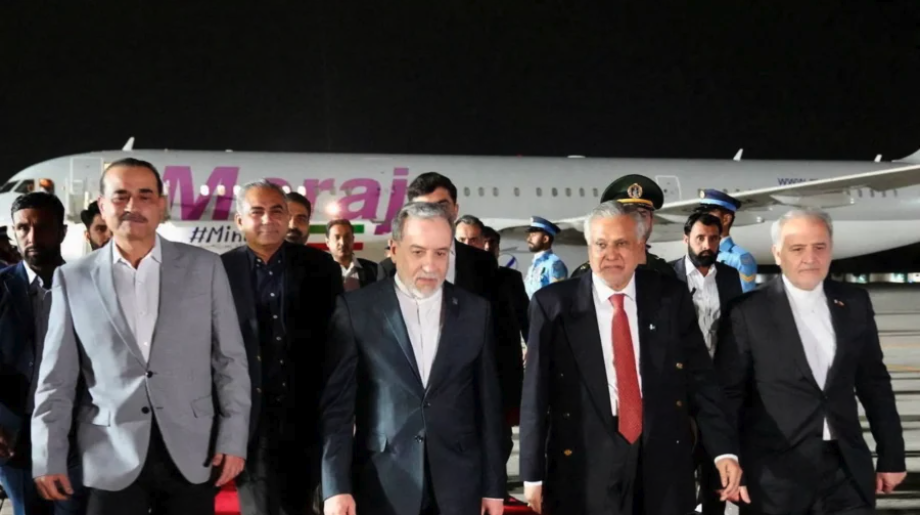
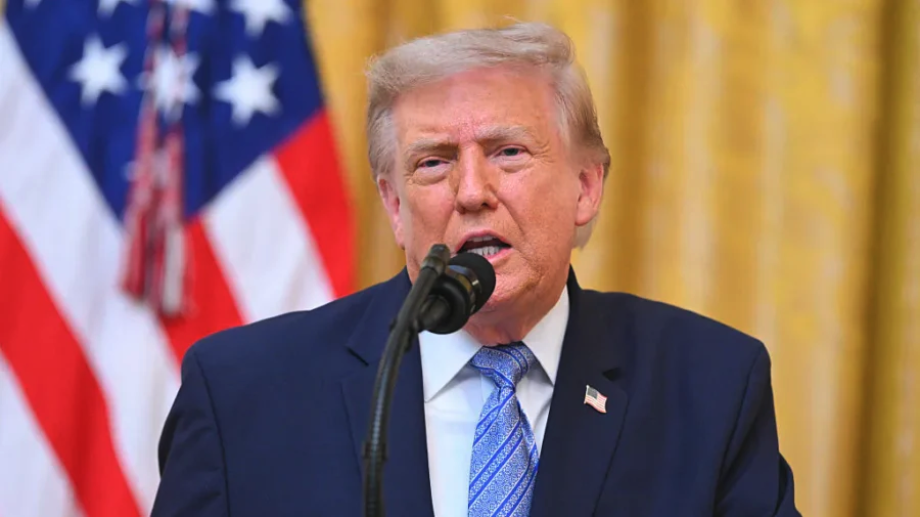
The statement from Hezbollah’s leader comes as U.S. Vice President JD Vance travels to Pakistan to participate in talks between Washington and Tehran over cease-fire terms and the reopening of the strategically significant Strait of Hormuz.
Ahead of the visit, Vance said, “If the Iranians are willing to negotiate in good faith, we’re certainly willing to extend the open hand.”
“But if they’re going to try to play us, then they’re going to find that the negotiating team is not that receptive,” he warned.