

Tehran signals reversal of brief reopening amid U.S. blockade, raising fresh uncertainty over fragile ceasefire and ongoing nuclear negotiations
Iran’s military announced on April 18 that it has reinstated “strict military oversight” of the Strait of Hormuz, citing Washington’s continued naval blockade of Iranian shipping. The move suggests a reversal of the brief reopening declared a day earlier by Iran’s foreign minister and casts uncertainty over sensitive peace negotiations unfolding in parallel.
Lt. Col. Ebrahim Zolfaqari, spokesperson for Iran’s Khatam al-Anbiya Central Headquarters, said in a statement carried by state outlets that the decision was prompted by the ongoing U.S. blockade and what he described as repeated violations of prior maritime understandings.
“Control of the Strait of Hormuz has returned to its previous state and this strategic strait is under strict management and control of the Armed Forces,” he said, according to Iranian state media.
Zolfaqari added that Iran had previously “agreed in good faith” to allow limited, managed passage of oil tankers and commercial vessels through the strait under negotiated terms. He characterized the continued U.S. naval blockade as “piracy and maritime theft” and a breach of ceasefire commitments.
Iran’s Islamic Revolutionary Guard Corps (IRGC) Navy also outlined four شروط for vessels transiting the waterway: civilian ships must follow designated Iranian маршруты, obtain prior authorization, exclude military vessels, and operate under the condition that the ceasefire in Lebanon remains in effect.
Israel and Lebanon had agreed to a 10-day ceasefire as part of diplomatic efforts to prevent broader regional escalation linked to the Iran-backed Hezbollah group operating from southern Lebanon.
Despite rising tensions, vessel-tracking data showed a convoy of tankers departing the Gulf and passing through the Strait of Hormuz on Saturday. The group included four liquefied petroleum gas carriers along with several oil and chemical tankers, with additional vessels reportedly following.
At the same time, the UK Maritime Trade Operations (UKMTO) reported an April 18 incident in which Iranian gunboats fired on a tanker in the strait, though no casualties were reported.
“The Master of a Tanker reports being approached by 2 IRGC gun boats, no VHF challenge that then fired upon the tanker,” UKMTO said, adding that the vessel and crew were safe.
Separately, two Indian vessels were reportedly forced to turn back westward in the strait by Iranian naval forces, with reports indicating that gunfire was involved. It remains unclear whether these incidents are connected.
The developments appear to reverse a prior announcement by Iranian Foreign Minister Abbas Araghchi, who had declared the strait “completely open” for commercial traffic during the 10-day ceasefire. He had noted, however, that vessels would be required to follow coordinated routes approved by Tehran.
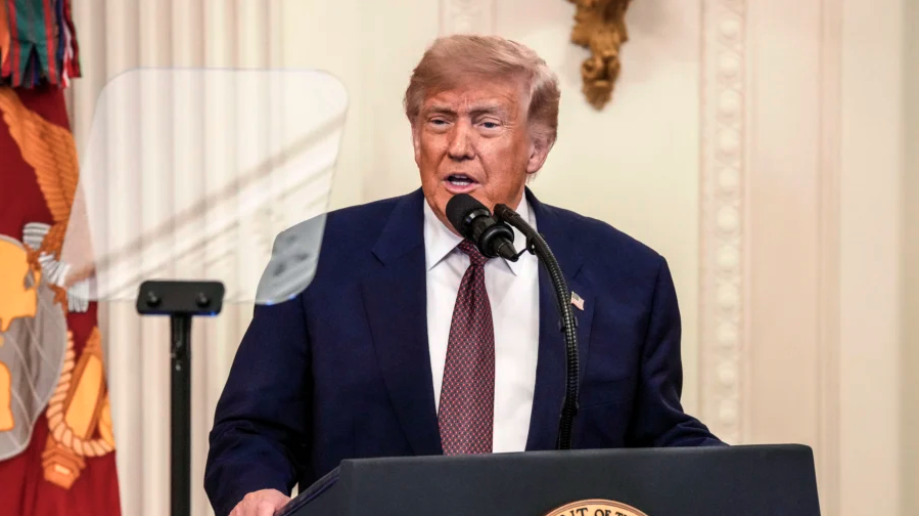
That earlier announcement helped ease global market concerns and pushed oil prices lower. It was welcomed by U.S. President Donald Trump, who said the waterway was “completely open and ready for business” and claimed Iran had agreed to never close it again.
Trump also reiterated that the U.S. naval blockade targeting Iranian-linked shipping would remain in place until a broader agreement is reached.
Iranian officials later emphasized that any reopening would be conditional. Parliament Speaker Mohammad Bagher Ghalibaf rejected U.S. claims as “false,” warning that continued pressure from Washington could result in the strait closing again.
“Passage through the Strait of Hormuz will be conducted based on the ‘designated route’ and with ‘Iranian authorization,’” he said, adding that real-world conditions—not public statements—would determine access.
Foreign Ministry spokesperson Esmaeil Baghaei stated that Tehran views the U.S. blockade as a violation of the ceasefire and is prepared to take “reciprocal actions.”
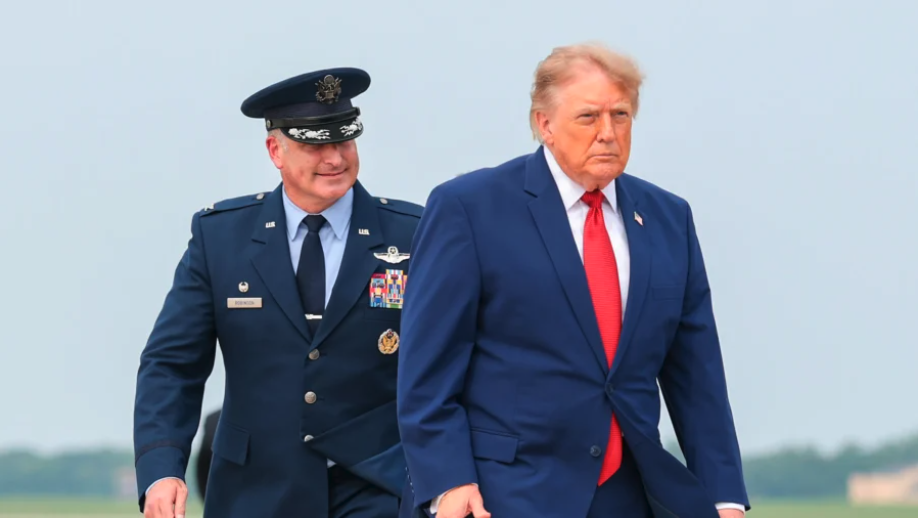
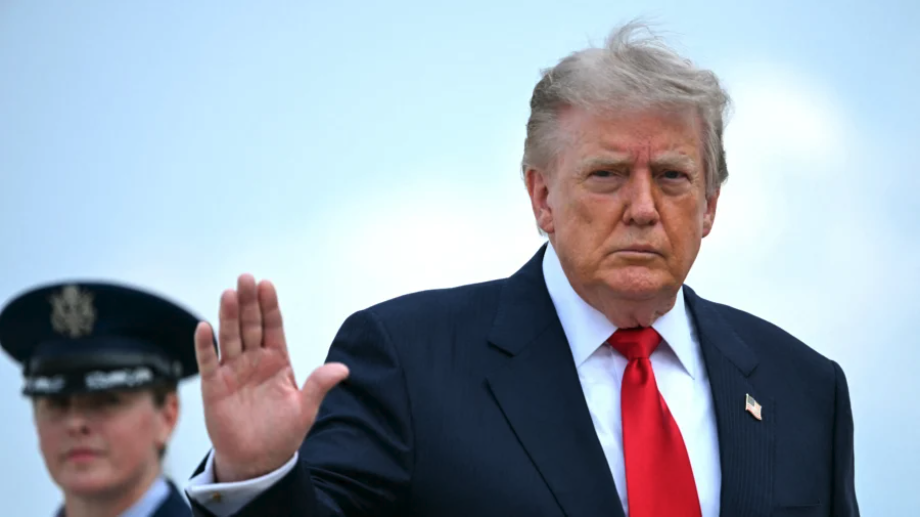
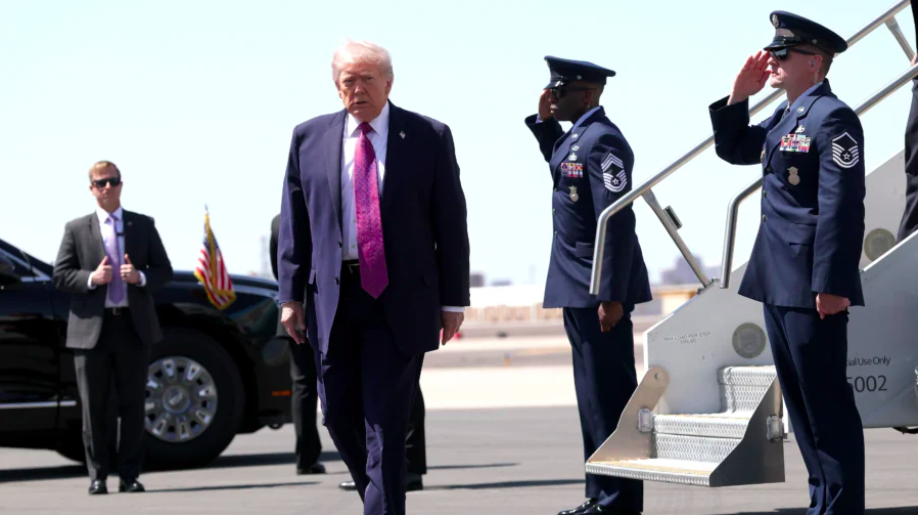
The renewed restrictions come as Trump warned that the broader ceasefire could collapse within days without a long-term agreement. Speaking aboard Air Force One on April 17, he said he may not extend the truce beyond its expected deadline.
“Maybe I won’t extend it, but the blockade is going to remain,” he said. “So you have a blockade, and unfortunately, we’ll have to start dropping bombs again.”
Trump indicated that negotiations were progressing and suggested a deal could be reached soon, telling Axios that U.S. and Iranian officials may meet over the weekend and potentially finalize an agreement within days.
In a separate interview, Trump said the United States would work with Iran to recover its enriched uranium and transport it to the United States.
“We’re going to get it together. We’re going to go in with Iran, at a nice leisurely pace, and go down and start excavating with big machinery. … We’ll bring it back to the United States,” he said.
Iranian officials denied any such agreement. Baghaei stated that Iran’s enriched uranium would not be transferred abroad, calling the idea unacceptable.
Iran is believed to possess more than 900 pounds of uranium enriched to roughly 60 percent purity, keeping its nuclear program at the center of ongoing tensions in U.S.–Iran negotiations.