

Trump announces sweeping maritime crackdown targeting Iranian-linked shipping as tensions escalate and global energy concerns intensify following failed negotiations
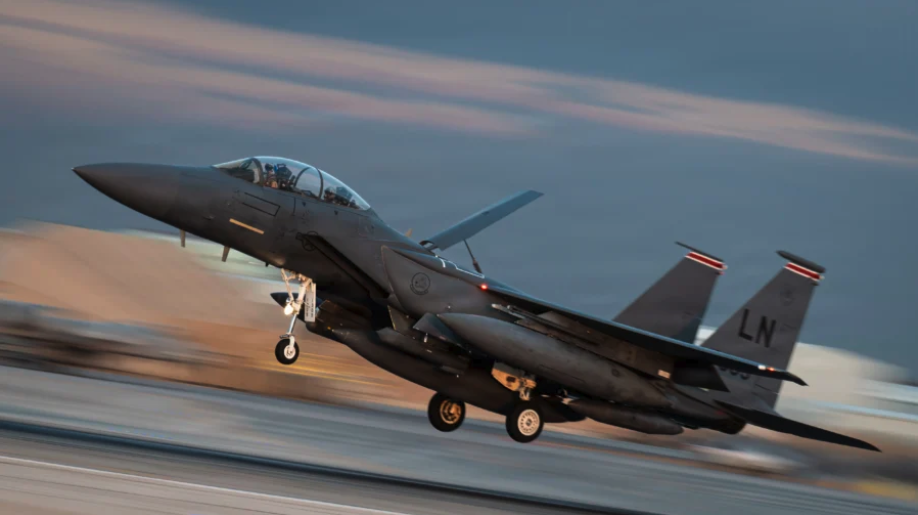
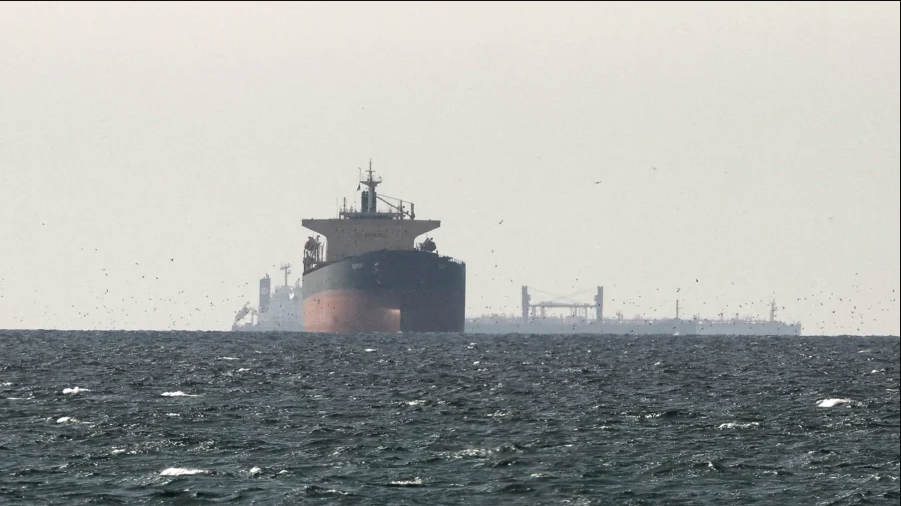
The United States Navy will begin blockading the Strait of Hormuz after peace talks with Iran ended without a deal.
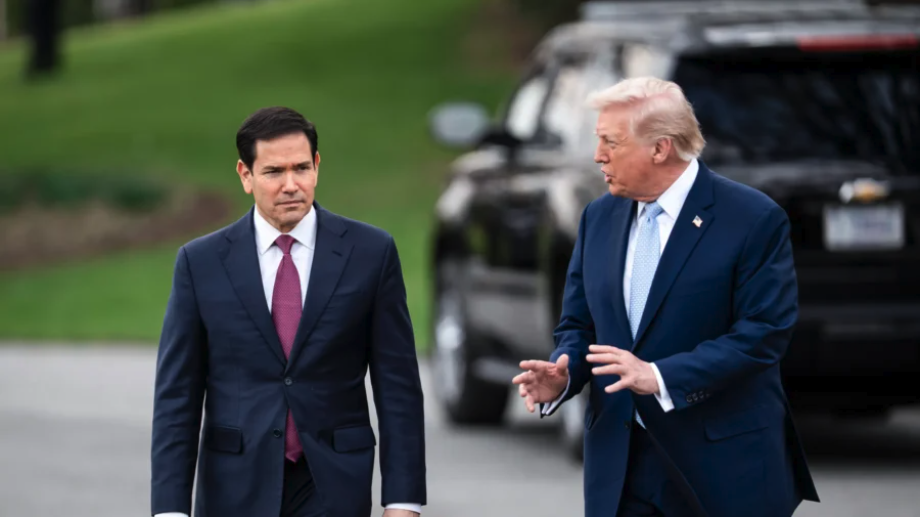
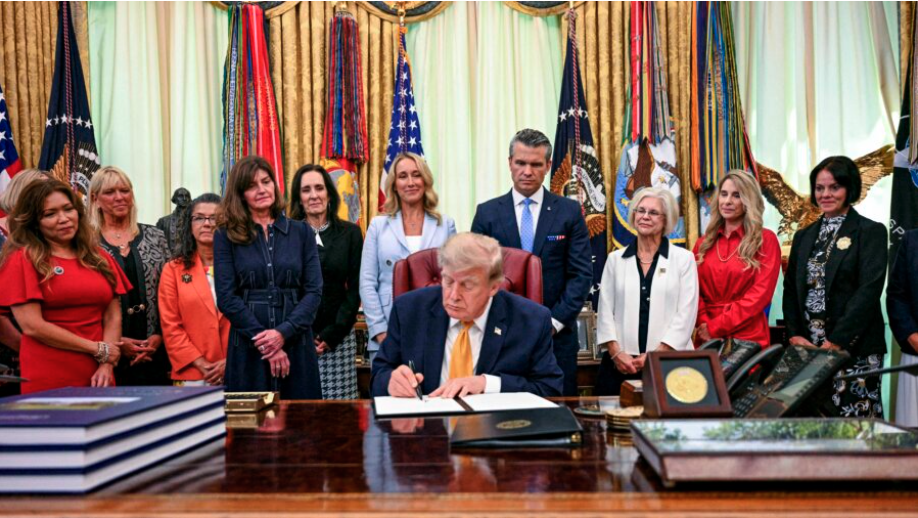
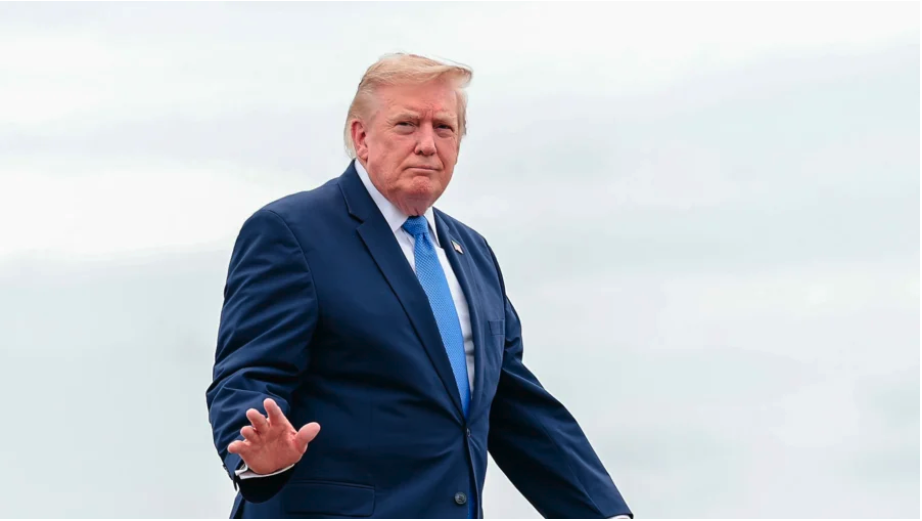
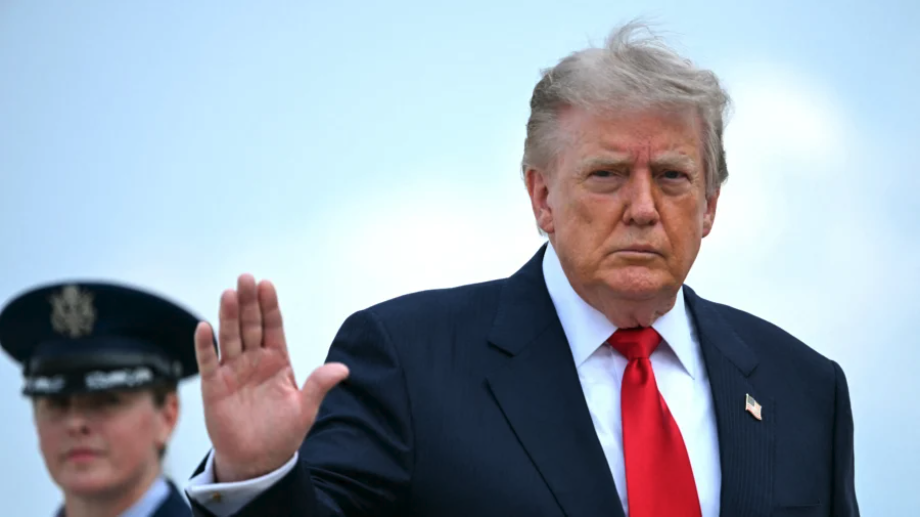
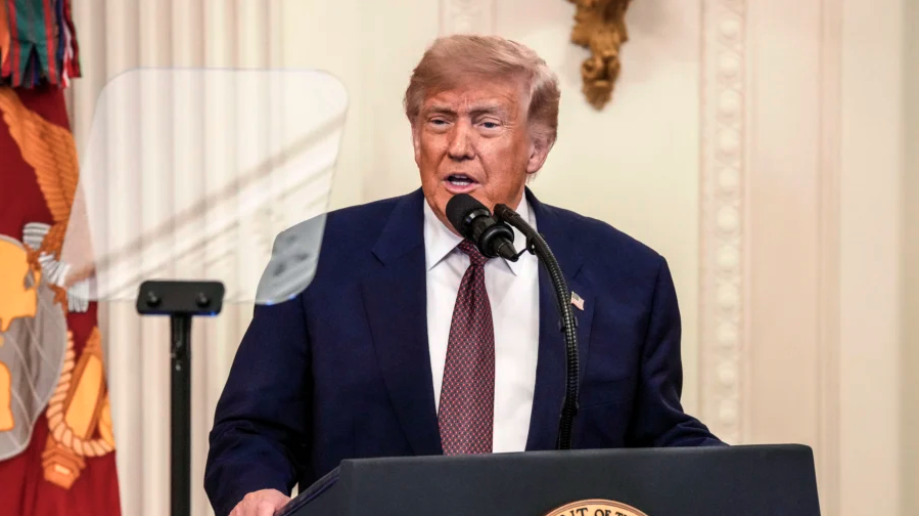
“Effective immediately, the United States Navy, the Finest in the World, will begin the process of blockading any and all ships trying to enter, or leave, the Strait of Hormuz,” U.S. President Donald Trump said in a Truth Social post on April 12.
Trump criticized Iranian leadership for not allowing ships to pass freely through the crucial waterway south of Iran without fear of encountering Iranian-planted mines.
“I have also instructed our Navy to seek and interdict every vessel in international waters that has paid a toll to Iran,” he said.
Iran allegedly charged some ships a toll of $2 million each to pass through the strait last week, with five vessels reportedly paying the fee.
The president said he would not allow the Iranian regime to profit from the waterway, something he said did not occur before the Middle East conflict.
“No one who pays an illegal toll will have safe passage on the high seas,” Trump said. “We will also begin destroying the mines the Iranians laid in the Straits. Any Iranian who fires at us, or at peaceful vessels, will be blown to hell!”
The United States Central Command (CENTCOM) provided further details hours later, clarifying that the blockade will apply only to “all maritime traffic entering and exiting Iranian ports.”
According to CENTCOM, the blockade will begin on April 13 at 10 a.m. ET. It added that U.S. forces would not restrict navigation for vessels traveling through the Strait of Hormuz to and from non-Iranian ports.
In a separate Truth Social post on April 12, Trump criticized Iran for failing to reopen the strait despite a two-week ceasefire agreement.
“This caused anxiety, dislocation, and pain to many people and countries throughout the world,” he wrote.
“They say they put mines in the water, even though all of their Navy, and most of their ‘mine droppers,’ have been completely blown up. They may have done so, but what ship owner would want to take the chance? There is great dishonor and permanent harm to the reputation of Iran, and what’s left of their ‘Leaders,’ but we are beyond all of that.”
Speaking to Fox News on April 12, Trump said multiple countries would assist the United States in enforcing the blockade.
Iranian officials responded by warning that the approach of military vessels toward the Strait of Hormuz would be considered a violation of the ceasefire.
In Washington, Sen. Lindsey Graham (R-S.C.) expressed support for the move.
“President Trump’s decision to blockade the strait and regain control of international waterways from Iran is the right move,” Graham wrote on X.
“It is time to finish the job when it comes to Iran’s nuclear ambitions, ballistic missile program, and their continued support for terrorist proxies. I hope the world will finally understand the type of people we’re dealing with in Iran.”
Senate Minority Leader Chuck Schumer (D-N.Y.) offered a contrasting reaction.
“This is what having no clue what you’re doing looks like,” Schumer wrote, sharing a screenshot of Trump’s post.
The blockade announcement came one day after CENTCOM said it had deployed two U.S. missile destroyers—the USS Frank E. Petersen (DDG 121) and USS Michael Murphy (DDG 112)—into the waterway to begin clearing mines laid by Iran’s Islamic Revolutionary Guard Corps.
Oil and gas operations in the strait have been heavily disrupted since the United States and Israel launched strikes against the Iranian regime on Feb. 28.
The conflict has driven U.S. gasoline prices up by more than $1 per gallon since the start of the operation, according to data from the American Automobile Association.
Iranian Parliament Speaker Mohammad-Bagher Ghalibaf posted an image of gas prices near the White House on April 12, warning of further increases.
“Enjoy the current pump figures,” he wrote on X. “With the so-called ‘blockade’, soon you'll be nostalgic for $4–$5 gas.”
Trump acknowledged that prices could remain steady or rise in the short term.
“Well, it’s eventually going to be lower,” he said in an interview with Maria Bartiromo on Fox News. “No, it might not happen initially, but it’s going to go down.”
He did not provide a timeline for when prices might decrease or whether relief would come before November’s midterm elections.
“It could be, or the same, or maybe a little bit higher,” Trump said. “But it should be around the same. I think this won’t be that much longer.”
As of April 12, at least 800 commercial ships were stranded in the Strait of Hormuz, including nearly 400 oil tankers, according to Emirati Minister Sultan Al Jaber.
“The Strait of Hormuz has never been Iran’s to close or restrict navigation in,” Jaber said. “Any attempt to do so is not merely a regional issue, but represents a disruption to a global economic lifeline and a direct threat to the energy, food, and health security of all countries in the world.”
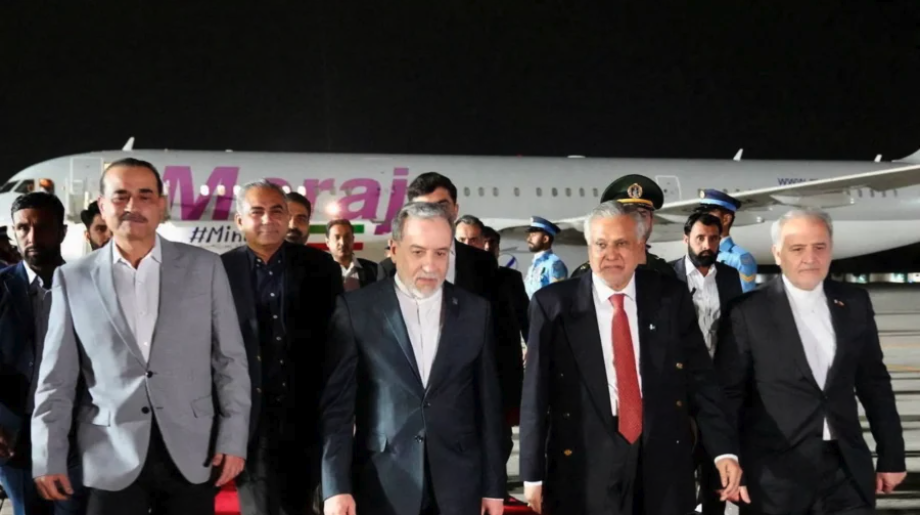
The blockade was announced hours after U.S. Vice President JD Vance said that peace talks with Iranian leaders in Islamabad had failed to produce an agreement.
“The simple question is, do we see a fundamental commitment of will for the Iranians not to develop a nuclear weapon—not just now, not just two years from now, but for the long term?” Vance said after 21 hours of negotiations.
“We haven’t seen that yet. We hope that we will.”
Iranian officials accused the United States of conflating the “peaceful use of nuclear energy” with the pursuit of nuclear weapons.
According to the International Atomic Energy Agency, Iran possesses 972 pounds of uranium enriched to up to 60 percent purity—approximately 95 percent of the work required to reach weapons-grade levels.
That stockpile could enable the production of up to 10 nuclear bombs, according to agency Director General Rafael Grossi.