





Tehran signals expanded retaliation targeting major American companies in the Middle East while tensions with the United States and Israel intensify
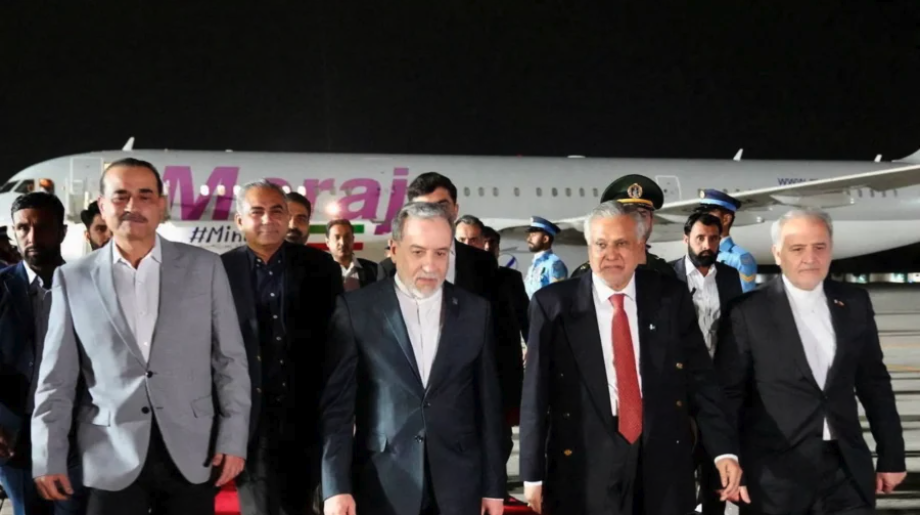
Iran’s military has announced plans to begin attacking certain U.S. businesses operating in the Middle East amid its month-long conflict with the United States and Israel.
In a March 31 statement published on state-run media platforms in Farsi, the Islamic Revolutionary Guard Corps (IRGC) threatened 18 companies it alleges have supported U.S. military operations. Those named include Meta, Google, Microsoft, Apple, IBM, Dell, Palantir, Nvidia, Tesla, Boeing, Cisco, Oracle, and Intel, among others.
The IRGC stated that attacks would begin on April 1 and urged employees of those companies to immediately leave their workplaces.
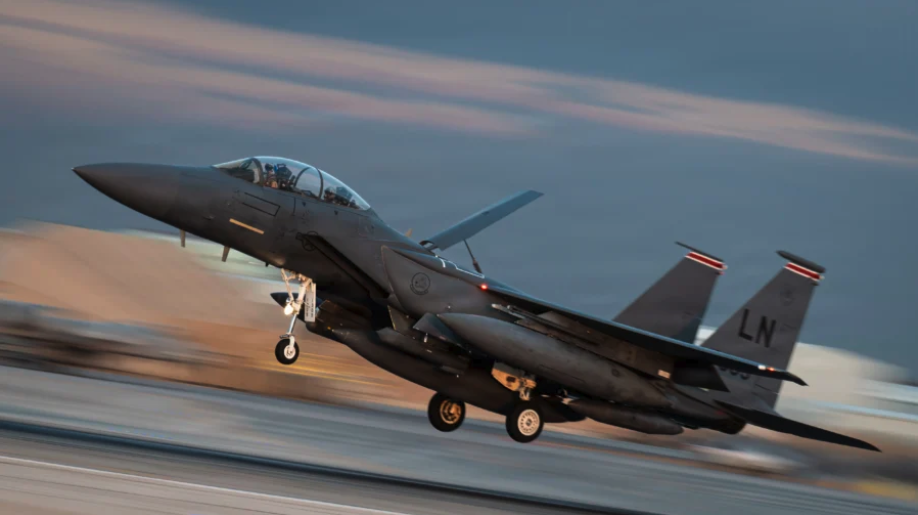
Following the launch of the U.S.–Israeli operation on Feb. 28, Iran retaliated by firing missiles and drones at neighboring countries hosting U.S. military bases, including Saudi Arabia, Qatar, and the United Arab Emirates. Tehran has also moved to restrict access through the Strait of Hormuz, a critical route linking oil-producing nations in the Persian Gulf to global markets, driving up oil and gas prices.
Amazon confirmed in early March that some of its data centers in the UAE and Bahrain were damaged by drone strikes during the conflict, disrupting cloud services.
In a March 24 statement to The Epoch Times, an Amazon Web Services spokesperson said the company was working with authorities, prioritizing staff safety, and assisting customers affected by outages in Bahrain.
“We continue to support affected customers, helping them to migrate to alternate AWS Regions, with a large number already successfully operating their applications from other parts of the world,” the spokesperson said.
U.S. technology firms have increasingly positioned the UAE as a regional hub for artificial intelligence computing to support services such as ChatGPT. Microsoft said in November 2025 it planned to increase its total investment in the country to $15 billion by the end of 2029 and would deploy Nvidia chips in its local data centers.
Earlier this year, the Center for Strategic and International Studies warned that regional adversaries, including Iran and its proxies, had previously targeted pipelines, refineries, and oil infrastructure in Gulf states.
“In the compute era, these actors could also target data centers, energy infrastructure supporting compute, and fiber chokepoints,” the think tank said in a Feb. 27 statement.
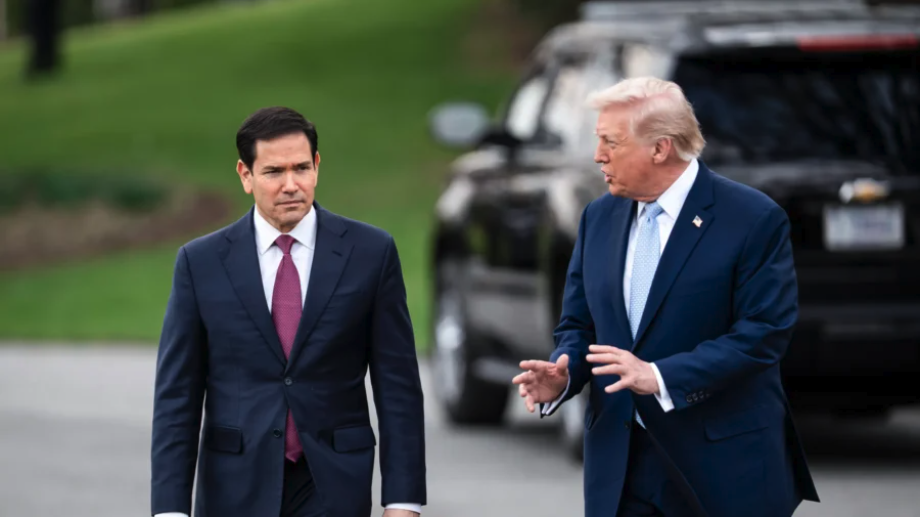
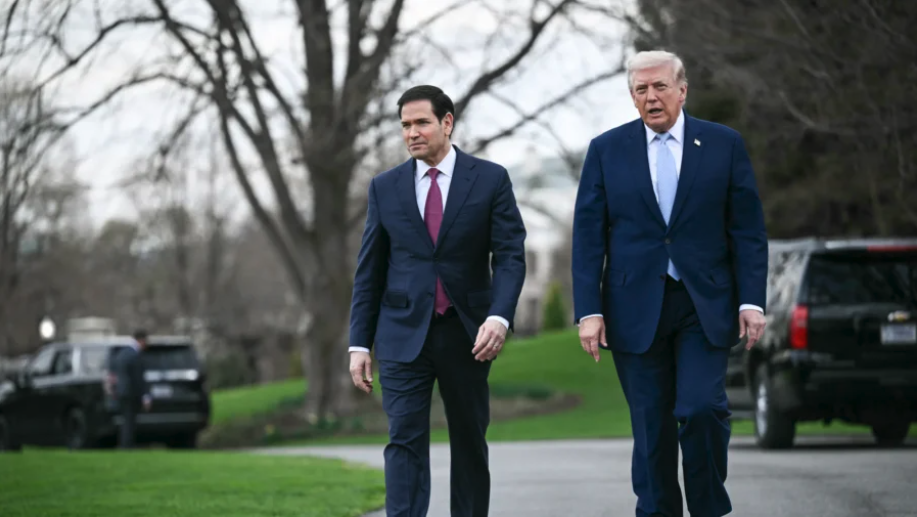
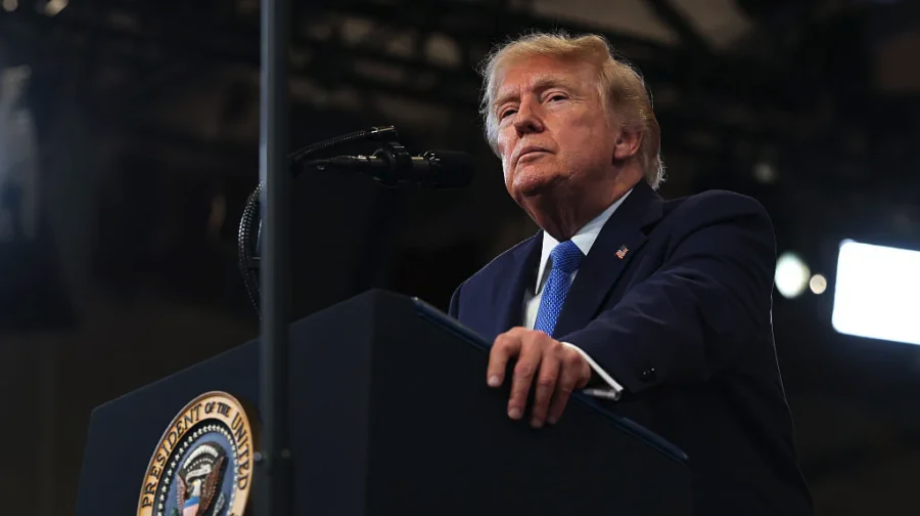
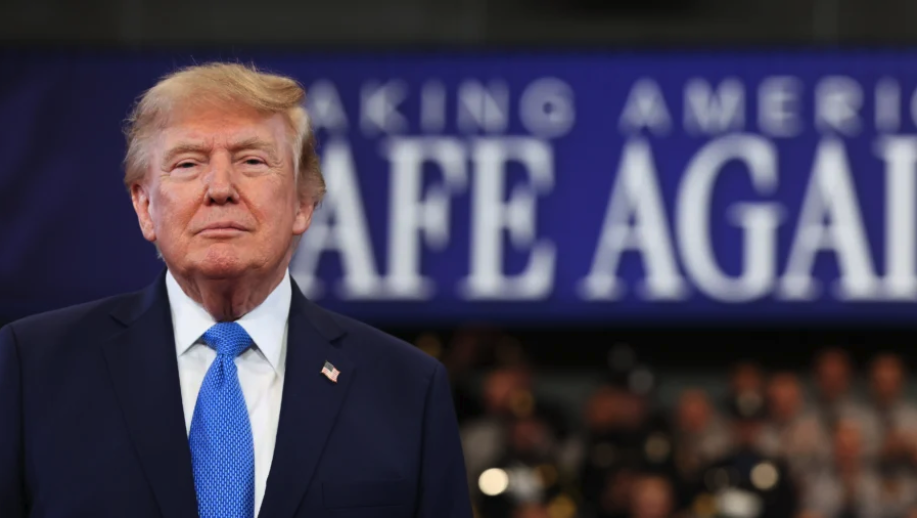
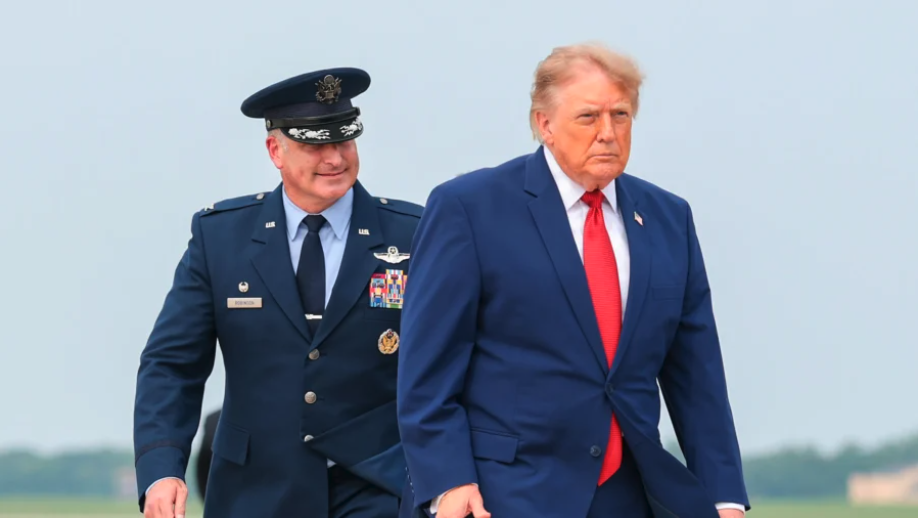
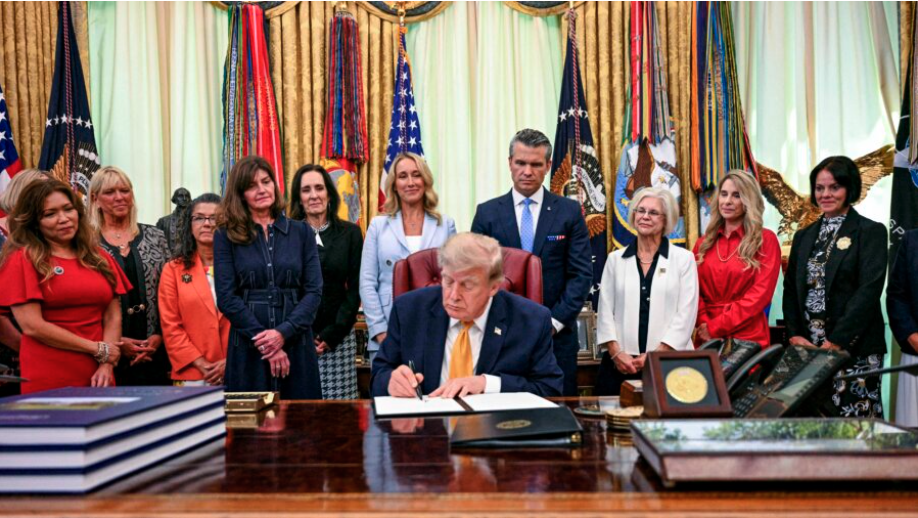
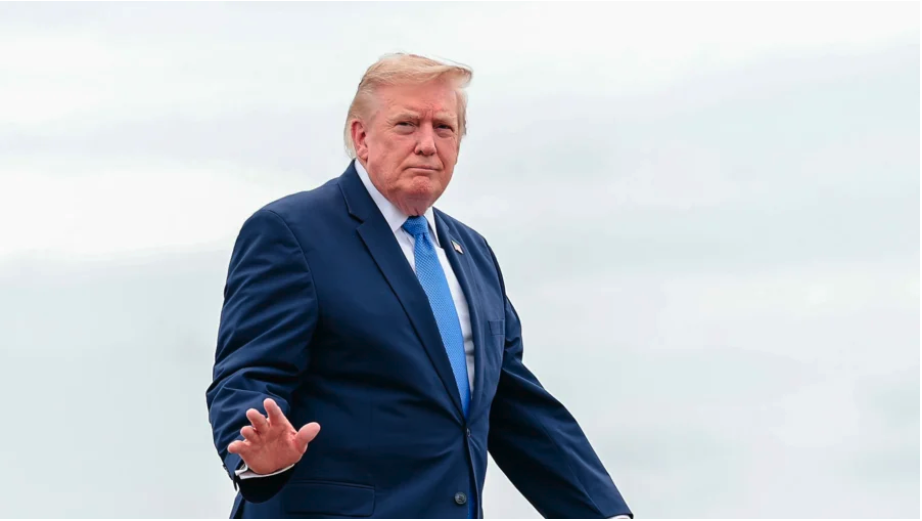
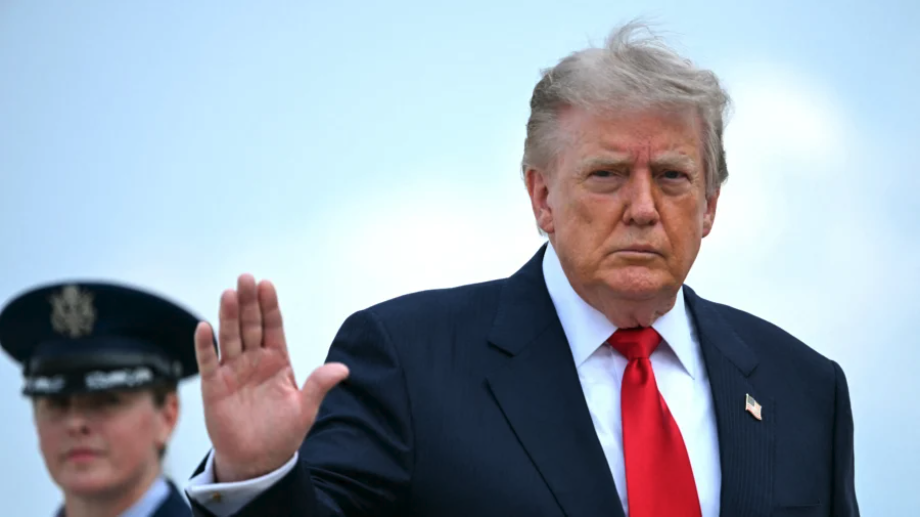
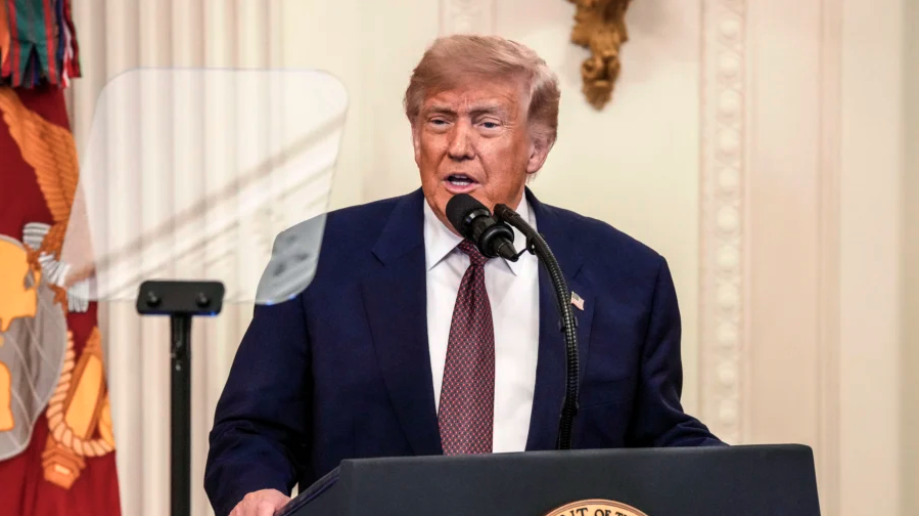
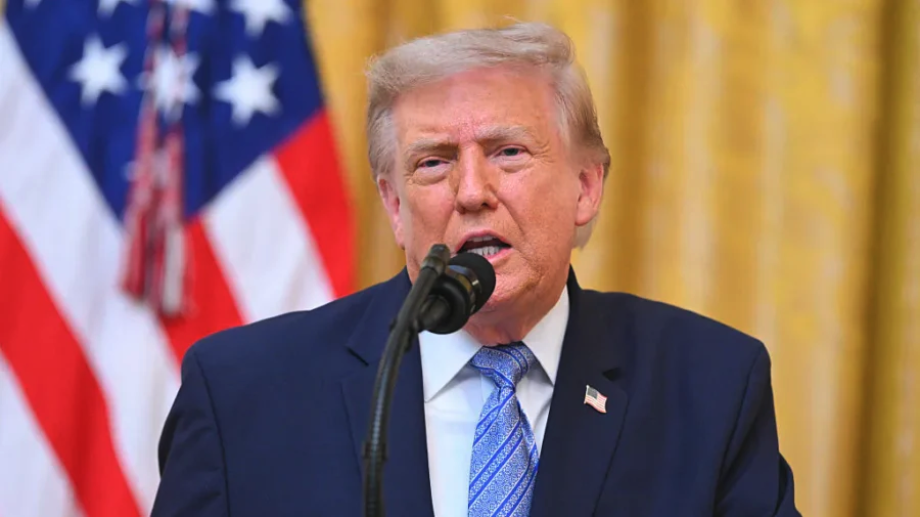
U.S. President Donald Trump said on April 1 that the war is nearing its end and that Tehran is “no longer a threat,” while indicating that additional military action is expected in the coming weeks.
“We are going to finish the job, and we’re going to finish it very fast,” he said, referring to the campaign known as Operation Epic Fury.
“We’re going to hit them extremely hard over the next two to three weeks,” he added. “We’re going to bring them back to the Stone Ages, where they belong.”
Trump also said he may conclude the war without a formal agreement and advised countries reliant on fuel shipments through the Strait of Hormuz—now heavily disrupted by Iranian actions—to “just grab it.”
The Epoch Times said it had contacted the White House for comment regarding the IRGC’s threats but had not received a response by the time of publication.