



New White House Initiative Aims to Improve the Quality of Life for Military Spouses Through Policy Recommendations and Long-Term Family Support
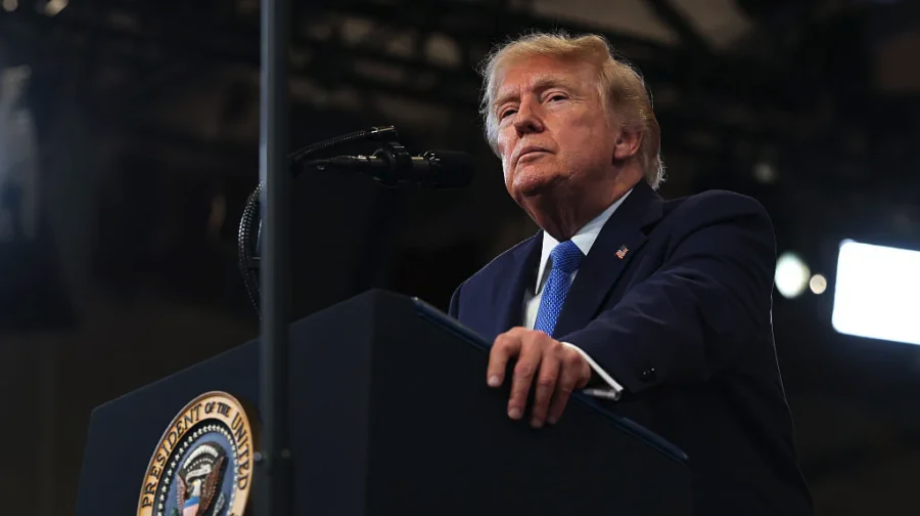
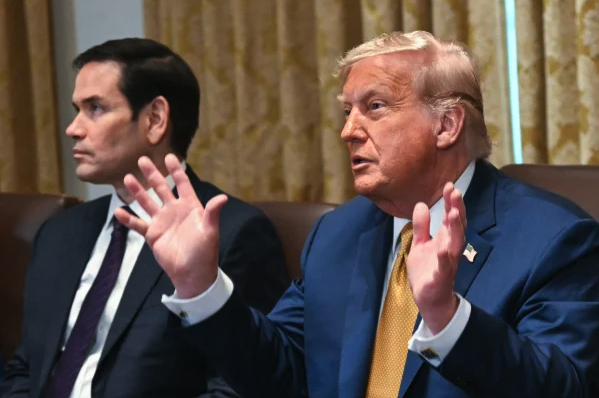
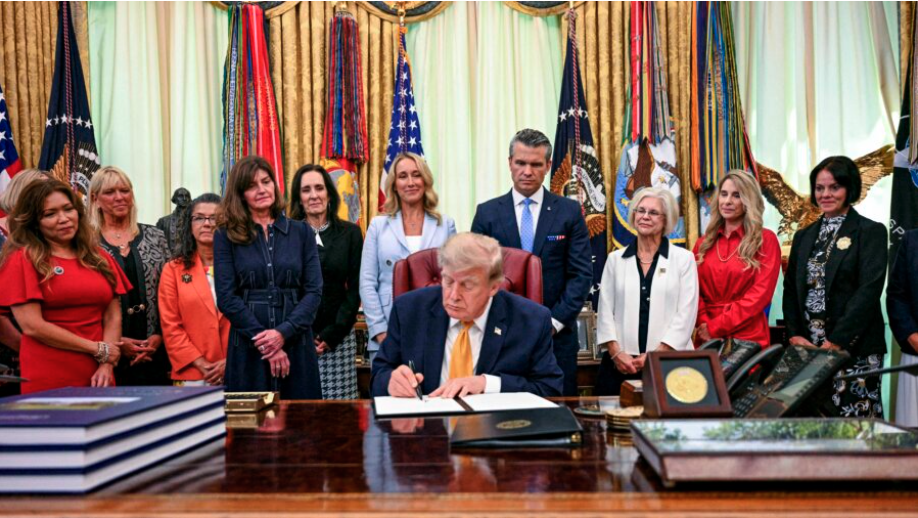
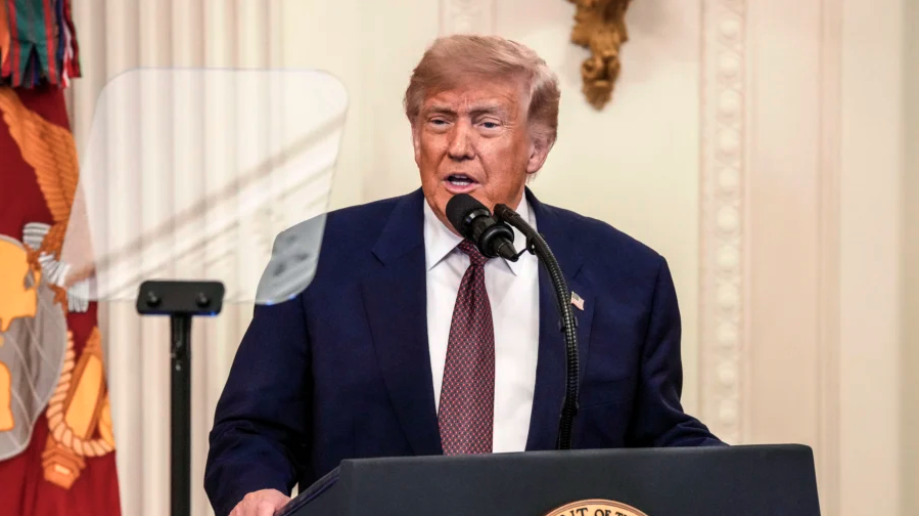
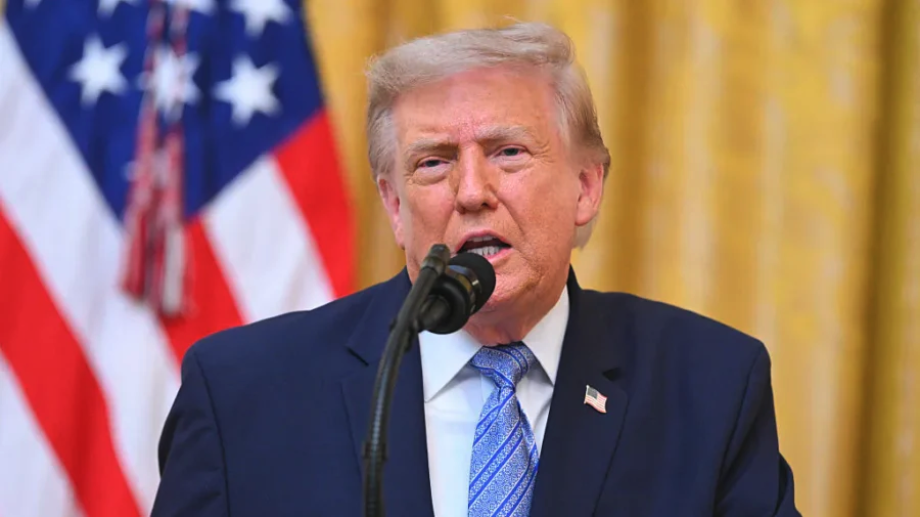
WASHINGTON — President Donald Trump signed an executive order in the Oval Office on Aug. 3, officially launching the President’s Military Spouse Commission.
The commission will be led by the spouses of senior military leaders and tasked with identifying issues affecting military families before delivering annual policy recommendations directly to the president.
“This commission will provide recommendations for improving the quality of life for military spouses so that we can better support both our military families and the entire United States Armed Forces,” Trump said during the White House event. He added that the initiative will “help ensure we continue to give military spouses our very best, so our military can continue to be the strongest military anywhere in the world.”
Trump highlighted the vital role military spouses play in raising children and managing households while service members are defending the nation.
“America cannot have the strongest military in the world without the love and devotion of our remarkable military spouses who make the extraordinary sacrifices for our country,” he said.
“Many military spouses spend months separated from their loved ones while our heroes are deployed overseas. Military families also endure frequent moves and other unique challenges, and the challenges are legendary.”
The executive order recognizes the long-standing strength of military families while acknowledging the many hardships and uncertainties they face.
“Frequent relocations and the long absences of service members—especially when deployed to combat zones—can negatively impact military spouses’ quality of life and, in turn, that of their family,” the order states. “The repeated relocations and other aspects of military life may limit quality housing options, employment opportunities, and other resources available to families that are not obligated to move every 2 to 3 years, as military families do in service to our Nation.”
Trump described the executive order as “a major new step to support our incredible military families, something that we’ve been working on for a long time, I guess you could say for decades.”
He also pointed to previous initiatives benefiting enlisted personnel and their families, including funding for childcare, improvements to base housing, and last year’s $1,776 “Warrior Dividend” payment.
The commission will examine ways to strengthen support for military families in areas including childcare, education, employment, healthcare, housing, and other essential services. Its initial term will last two years, with the option of an extension.
Jennifer Hegseth, the spouse of War Secretary Pete Hegseth, will serve as the commission’s chair.
“These are generational issues that are long overdue to address, and we have the most amazing women here that have decades of experience as military spouses themselves to take a look at it,” she said during the ceremony. “There’s nothing we are going to find that we haven’t experienced.”
Executive Director Desiree Sayle, who was appointed by the president, will serve alongside the spouses of the Chairman of the Joint Chiefs of Staff, the Homeland Security Secretary, and the service secretaries of the Armed Forces. All members of the commission will serve without compensation.
Sayle emphasized the group’s extensive experience, noting that its members collectively represent 400 years as active-duty military spouses and have experienced more than 300 relocations.
Chairman of the Joint Chiefs of Staff Gen. Dan Caine also attended the event with a group of military spouses.
“As we stand here now, around the world, military service members are out doing our nation’s business and ready to do what is asked of them,” Caine said. “The foundation of American military readiness is the families, and the backstopping of all of that is the military spouses that serve behind them.”